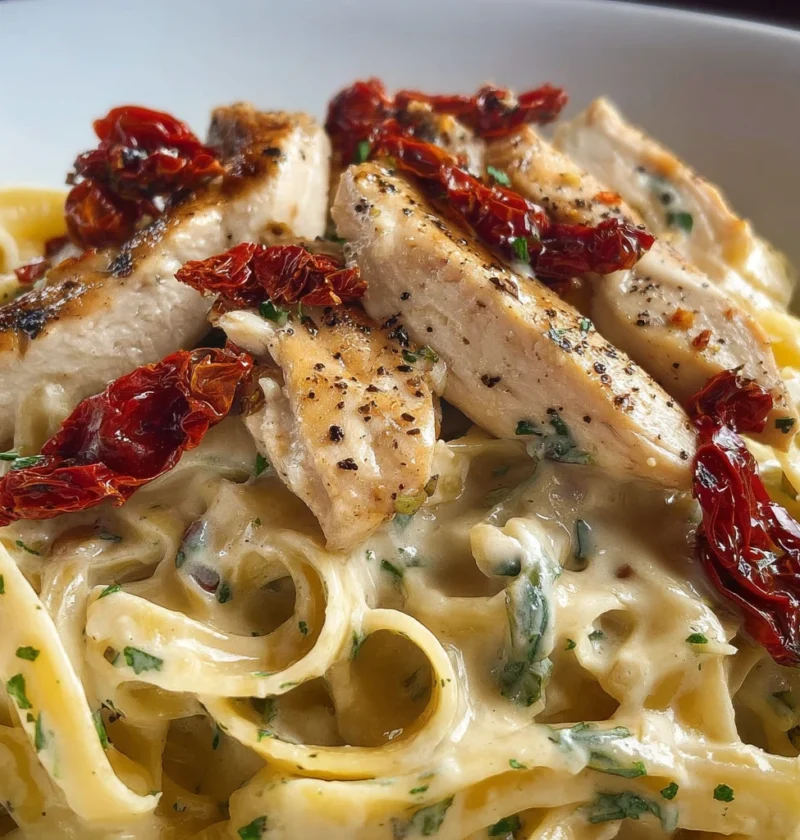
Table of Contents
Garlic Shrimp Pasta: A Savory 25-Minute Weeknight Wonder
Imagine twirling a fork through perfectly al dente pasta coated in a glossy, aromatic sauce where sweet, plump shrimp mingle with golden garlic, a whisper of white wine or lemon, and a generous shower of fresh parsley. Each bite delivers the briny pop of seafood, the comforting chew of pasta, and that irresistible garlicky savoriness that feels like a restaurant dish—but you made it in the time it takes to stream a sitcom episode. Best of all, this isn’t just speed; it’s smart speed.
By cooking the pasta while the sauce comes together and using pre-peeled shrimp, you minimize active time without sacrificing flavor. It’s the ultimate “I need dinner now” meal that still feels intentional, nourishing, and deeply satisfying—no jarred sauces or mystery ingredients required.
Whether you’re fueling up after a workout, feeding hungry kids before bedtime, or impressing a date with minimal effort, this garlic shrimp pasta delivers. Drawing from classic Italian-American technique and optimized for real-world weeknights, this version focuses on timing efficiency (parallel cooking), ingredient quality (fresh garlic, good shrimp), and sauce balance (acid to cut richness, herbs for brightness)—so you get maximum flavor with minimum fuss.
Why You’ll Love This Recipe
- Truly 25 minutes from start to table: Most time is hands-off while pasta boils and sauce simmers—active prep is under 10 minutes.
- High-protein, moderate-carb: Shrimp delivers lean protein (20g+ per serving), while pasta provides sustained energy—adjust ratios to your goals.
- Infinitely adaptable: Swap pasta types, adjust heat, add veggies, or make it gluten-free/dairy-free in seconds.
- Minimal equipment: Just one pot for pasta, one skillet for sauce—cleanup takes 90 seconds.
- Restaurant-quality at home: The secret isn’t fancy techniques—it’s respecting the ingredients (don’t overcook shrimp!) and balancing acid, fat, and salt.
- Kid-approved (with tweaks): Mild garlic and buttery noodles appeal to children; hold the red pepper flakes for spice-sensitive eaters.
- Budget-friendly: Uses pantry staples plus affordable shrimp (look for frozen, peeled, deveined tails—thaw quickly in cold water).
If you search for “quick garlic shrimp pasta” or “easy 20-minute shrimp scampi,” this approach hits all the marks: fast, flavorful, and wonderfully reliable.
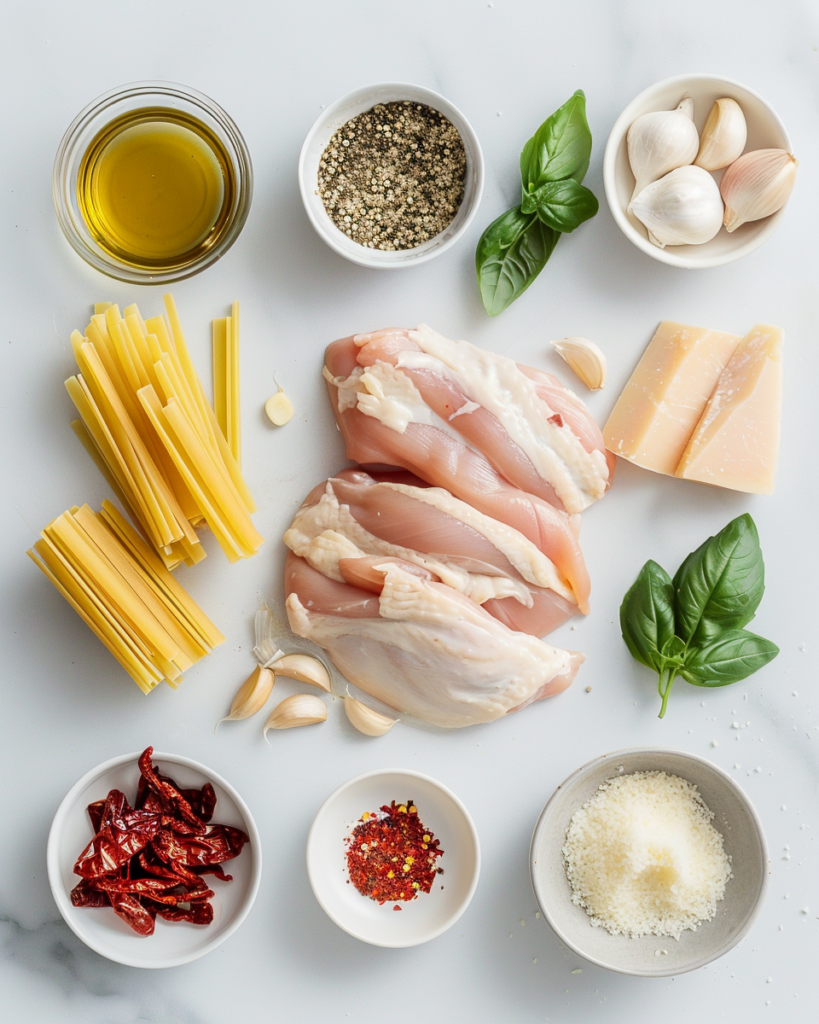
Ingredients: Fresh, Simple, and Purposeful
This recipe makes 4 hearty servings (about 1¼ cups pasta each). Measurements prioritize balance and accessibility, with clear swaps for common needs.
| Ingredient | Amount | Notes & Substitutions |
|---|---|---|
| Linguine or spaghetti | 12 oz (340g) | For gluten-free, use brown rice pasta or chickpea linguine; cook per package directions |
| Large shrimp | 1 lb (450g), peeled & deveined | 21-25 count works best; frozen is fine—thaw in cold water 10 minutes, pat DRY |
| Olive oil | 3 Tbsp (45ml) | Avocado oil or melted butter work too; don’t skimp—it carries the garlic flavor |
| Garlic | 4-6 cloves, minced | Fresh is non-negotiable—pre-minced in jars turns bitter |
| Dry white wine | ½ cup (120ml) | Adds acidity and depth; sub with low-sodium chicken broth + 1 Tbsp lemon juice |
| Lemon juice | 1 Tbsp (15ml) | Brightens the finish—freshly squeezed only |
| Red pepper flakes | ¼-½ tsp | Adjust to taste; omit for mild version |
| Fresh parsley | ¼ cup (15g), chopped | Flat-leaf (Italian) parsley preferred; chives work in a pinch |
| Salt | ¾ tsp (to taste) | Start modest—shrimp and pasta water add salt |
| Black pepper | ¼ tsp, freshly cracked | Adds warmth and aroma |
| Optional richness | 2 Tbsp unsalted butter, stirred in at the end for silkiness | |
| For serving | Grated Parmesan or nutritional yeast, extra lemon wedges |
Note: This recipe is naturally dairy-free if you skip the butter. For gluten-free, use certified GF pasta and verify broth/wine labels. To boost veggies, add 2 cups baby spinach or sautéed zucchini with the garlic.
Step-by-Step Instructions: From Pot to Plate in 25 Minutes
Prep Time: 8 minutes | Cook Time: 15 minutes | Total Time: 23 minutes | Servings: 4
- Prep everything FIRST.
- Pat shrimp thoroughly dry with paper towels (wet shrimp steams instead of sears).
- Mince garlic, chop parsley, measure wine/lemon juice.
- Bring a large pot of salted water to a boil (use 1 Tbsp salt per 4 quarts water—it should taste like the sea).
→ Pro Tip: Mise en place is key for 25-minute success. Having ingredients ready means no frantic chopping while shrimp cooks.
- Cook the pasta.
- Add pasta to boiling water. Stir once to prevent sticking.
- Cook 1 minute less than package directions for al dente (it’ll finish in the sauce).
- Crucial: Before draining, reserve 1 cup pasta water—this starchy liquid is liquid gold for sauce texture.
- Drain pasta and set aside.
→ Pro Tip: Start the sauce while pasta cooks—timing overlap is how you hit 25 minutes total.
- Build the sauce (while pasta cooks).
- Heat olive oil in a large skillet over medium heat.
- Add minced garlic and red pepper flakes. Cook 30-45 seconds, stirring constantly, until fragrant and golden (not brown—garlic burns fast!).
- Immediately pour in white wine (or broth + lemon juice). Scrape up any bits from the pan.
- Simmer 2-3 minutes until slightly reduced and syrupy.
- Stir in lemon juice.
→ Pro Tip: The sauce should coat the back of a spoon but still be loose—it’ll thicken when pasta is added.
- Cook the shrimp.
- Push sauce to the side of the skillet. Add shrimp in a single layer (work in batches if pan is crowded).
- Cook 1-2 minutes per side until shrimp curl into a loose “C” shape and turn opaque pink—do not overcook.
- If using butter: Add it now to melt into the sauce.
→ Pro Tip: Shrimp cook FAST. They’re done when they’re just opaque—translucent spots mean underdone; tight “O” shapes mean rubbery.
- Combine and finish.
- Add drained pasta to the skillet with shrimp and sauce.
- Toss vigorously over medium heat for 1 minute, adding splashes of reserved pasta water (2 Tbsp at a time) until sauce clings nicely to pasta.
- Remove from heat. Stir in chopped parsley.
- Taste and adjust: more salt? Lemon? Pepper?
→ Pro Tip: Pasta water loosens sauce without diluting flavor—add gradually until you reach desired consistency.
- Serve immediately.
- Divide into bowls. Top with Parmesan (if using) and extra parsley.
- Serve with lemon wedges on the side for brightening each bite.
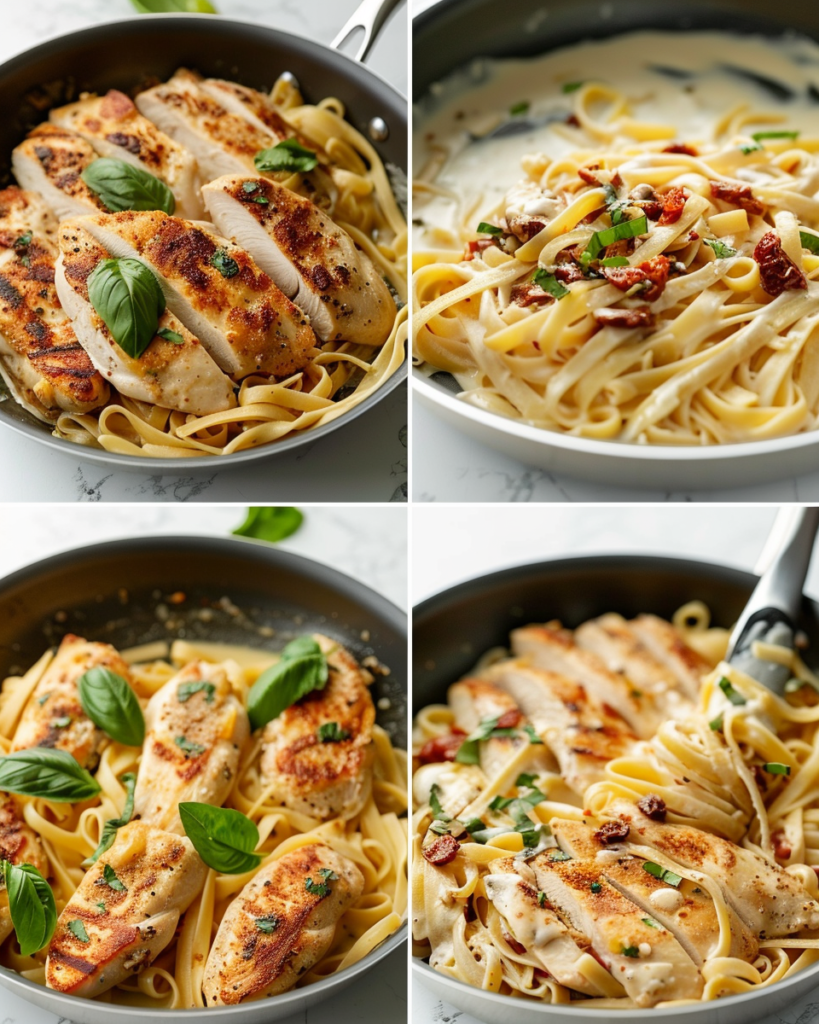
Tips for Success: Garlic Shrimp Perfection Every Time
Even this simple dish benefits from a few expert pointers. These tips, honed from countless weeknight tests, will help you avoid rubbery shrimp, bland sauce, or gluey pasta.
- Dry shrimp is non-negotiable: Moisture = steaming, not searing. Pat dry twice if needed—this is the #1 secret to tender shrimp.
- Garlic timing is everything: Add garlic to cold oil, then heat gently. It should sizzle softly, not burn. Burnt garlic ruins the dish.
- Don’t overcrowd the pan: Shrimp need space to sear, not steam. Use a large skillet or cook in two batches.
- Undercook pasta slightly: It finishes in the sauce—al dente pasta holds up better than mushy.
- Reserve pasta water: That starchy liquid binds sauce to pasta better than plain water or oil.
- Acid balances richness: Wine/lemon cuts through olive oil and butter—don’t skip it.
- Finish with herbs off-heat: Adding parsley at the end preserves its fresh, bright flavor.
- Taste as you go: Adjust salt after adding pasta water (it dilutes saltiness) and at the very end.
- Serve immediately: Pasta continues to absorb sauce—delaying service = dry, clumpy noodles.
Variations & Substitutions: Make It Yours
This recipe is a fantastic foundation—here’s how to adapt it for different tastes, diets, or what’s in your fridge. All swaps keep the core 25-minute method intact.
Dietary Adaptations
- Gluten-free: Use brown rice pasta, quinoa pasta, or chickpea linguine (check package times—some cook faster).
- Dairy-free: Skip butter; olive oil provides plenty of richness.
- Lower-carb: Substitute half the pasta with sautéed zucchini noodles or spaghetti squash.
- Paleo/Whole30: Use shirataki noodles or zucchini noodles; ensure wine is compliant (or use broth + lemon).
- Extra protein: Add ½ cup cooked white beans or chickpeas with the pasta.
Flavor & Heat Adjustments
- Mild & family-friendly: Omit red pepper flakes; use sweet paprika for color without heat.
- Medium kick (as written): Red pepper flakes provide warm depth without overwhelming heat.
- Spicy lover: Increase red pepper flakes to 1 tsp; add ½ tsp smoked paprika or 1 minced jalapeño with the garlic.
- Lemon-herb: Double the lemon juice; add 1 tsp lemon zest and 1 Tbsp chopped basil with the parsley.
- Umami boost: Add 1 anchovy fillet (minced) to the garlic oil—it melts in and adds depth without fishiness.
Veggie & Protein Twists
- Green garlic pasta: Add 2 cups baby spinach with the pasta in step 4—it wilts in the residual heat.
- Cherry tomato burst: Halve 1 cup cherry tomatoes; add with the wine in step 3.
- Mushroom addition: Sauté 8 oz sliced cremini mushrooms with the garlic in step 3.
- Lobster or scallop swap: Substitute shrimp 1:1—scallops need 90 seconds per side; lobster tails need 4-5 minutes total.
- Chicken alternative: Use 1 lb thinly sliced chicken breast—cook 3-4 minutes per side before adding garlic.
What to Serve With It: Building Your Perfect Plate
This pasta is satisfying on its own, but pairing it with fresh, bright, or crunchy elements turns a simple bowl into a balanced meal.
Beverage Pairings
- Crisp white wine: Sauvignon Blanc or Pinot Grigio mirrors the lemony acidity—try a New Zealand Sancerre.
- Sparkling water with herbs: Add rosemary sprig and lemon slice to plain sparkling water for a cleansing pause.
- Iced green tea: Unsweetened and lightly bitter, it complements the garlic richness beautifully.
- Light beer: A Belgian witbier or German kölsch cuts through the oil without overwhelming.
Fresh & Crunchy Sides
- Simple arugula salad: Toss arugula with lemon juice, olive oil, and shaved parmesan for peppery brightness.
- Blanched green beans: Toss with lemon zest and almond slivers—adds crunch without competing flavors.
- Cucumber salad: Thinly slice cucumber, toss with rice vinegar, sesame oil, and scallions for cool contrast.
- Roasted broccoli: Toss florets with olive oil, salt, and pepper; roast at 425°F for 15 minutes—adds fiber and volume.
Extra‑Special Add‑Ons
- Bread for dipping: Warm crusty bread or garlic toast to sop up every drop of sauce.
- Extra lemon: A wedge at the table lets everyone customize brightness.
- Chili crisp: Spoon ½ tsp on top for crunch, heat, and umami depth.
- Whipped ricotta: Dollop 1 Tbsp per plate for cool, creamy contrast (skip if dairy-free).
Storage & Reheating: Keep It Fresh for Later
This dish is best enjoyed fresh, but leftovers work with care.
How to Store
- Refrigeration: Cool completely, store pasta and sauce together in an airtight container for up to 2 days.
- Freezing not recommended: Shrimp turns rubbery and pasta becomes mushy when frozen/thawed.
- Sauce-only option: Freeze the garlic-wine sauce (without shrimp/pasta) for up to 1 month. Thaw, reheat, then add freshly cooked shrimp and pasta.
How to Reheat (Without Ruining Texture)
- Stovetop method (best):
- Place desired amount in a skillet over low heat.
- Add 2-3 Tbsp water, broth, or white wine per cup of pasta.
- Cover and heat gently 4-5 minutes, stirring occasionally, until hot throughout.
- Uncover for the last minute to evaporate excess liquid.
- Microwave method (use with caution):
- Transfer serving to microwave-safe bowl.
- Cover loosely with damp paper towel.
- Heat on medium power in 30-second bursts, stirring between, until hot throughout.
- Note: Microwaving can make shrimp tough—best for when you’re in a hurry and don’t mind slight texture loss.
Pro Tips for Leftover Magic
- Revive dry pasta: If reheated pasta feels stiff, whisk in extra pasta water or broth a Tbsp at a time.
- Create a pasta bowl: Top reheated pasta with a fried egg, avocado slices, and everything bagel seasoning.
- Make pasta frittata: Mix leftover pasta with beaten eggs, pour into greased pan, and bake at 350°F for 20 minutes.
- Use as salad base: Toss cold pasta with chopped veggies, olives, and a lemon-olive oil vinaigrette for a hearty lunch salad.
Nutrition Facts: Fuel Your Body Right
This estimates per serving (1/4 of recipe), based on linguine, shrimp, olive oil, garlic, wine, lemon, parsley, and optional butter. Values vary with brands and substitutions.
| Nutrient | Amount per Serving | % Daily Value* | Why It Matters |
|---|---|---|---|
| Calories | 420-480 | 21-24% | Provides sustained energy for evening activities or post-workout recovery. |
| Total Fat | 14-18g | 18-23% | Primarily from olive oil and optional butter—includes heart-healthy fats. |
| Saturated Fat | 2-4g | 10-20% | From butter (if used) and shrimp; enjoy as part of a balanced diet. |
| Cholesterol | 180-220mg | 60-73% | From shrimp—dietary cholesterol has less impact on blood serum than once thought. |
| Sodium | 480-620mg | 21-27% | Enhances flavor; comes from added salt, shrimp, and pasta water—use low-sodium to lower. |
| Total Carbohydrate | 45-55g | 15-18% | Primarily from pasta—complex carbs for lasting energy. |
| Fiber | 2-3g | 8-12% | Choose whole-wheat or legume pasta for +3-5g fiber. |
| Sugars | 2-4g | — | Naturally occurring from vegetables and wine; minimal added sugar. |
| Protein | 28-32g | 56-64% | Shrimp is a lean, complete protein source—supports muscle maintenance and fullness. |
| Iron | 2-3mg | 11-17% | From shrimp and pasta—supports oxygen transport, especially important for active lifestyles. |
| Potassium | 400-500mg | 9-11% | From shrimp, lemon, and parsley—helps regulate fluid balance and muscle function. |
| Vitamin B12 | 1.5-2mcg | 63-83% | From shrimp—critical for nerve function and blood cell formation. |
| Selenium | 40-55mcg | 73-100% | From shrimp—powerful antioxidant that supports thyroid function. |
Based on a 2,000‑calorie diet. Percent Daily Values are approximate and vary based on specific ingredients used (e.g., pasta type, butter use, shrimp size).
Dietary highlights:
- ✅ High-protein: Shrimp delivers ~24g protein per 3 oz serving—ideal for satiety and muscle repair.
- ✅ Rich in micronutrients: Shrimp provides selenium, B12, and iron; parsley offers vitamin K and C.
- ✅ Adaptable to goals: Increase protein with extra shrimp or beans; lower carbs with veggie noodles; boost fiber with whole-grain pasta.
- ✅ Naturally low in sugar: Avoids the energy crash of sugary sauces—relies on savory, umami depth.
- ⚠️ Watch sodium if sensitive: Rinsing shrimp and using low-sodium broth/wine keeps sodium in check.
- 💡 Boost the meal: Pair with a side of steamed broccoli or a simple salad for extra vitamins and volume without many calories.
Common Mistakes to Avoid (Learn from My Shrimp Slip-Ups)
Even experienced cooks slip up—here are the pitfalls I see most often, plus how to dodge them.
- Using wet shrimp: Results in steamed, rubbery texture instead of tender sear. Fix: Pat shrimp bone-dry with paper towels—this is critical.
- Burning the garlic: Turns bitter in seconds, ruining the whole dish. Fix: Add garlic to cold oil, then heat gently over medium—look for golden, not brown.
- Overcooking the shrimp: Makes them chalky and tough. Fix: Cook just until opaque and curled—1-2 minutes per side max. They’ll finish in the hot sauce.
- Skipping the pasta water: Results in sauce that doesn’t cling to pasta. Fix: Always reserve 1 cup starchy water before draining.
- Using low-quality wine: “Cooking wine” often has salt and off-flavors. Fix: Use a drinkable dry white you’d enjoy—like Pinot Grigio or Sauvignon Blanc.
- Crowding the pan: Shrimp steam instead of sear, releasing water and diluting sauce. Fix: Use a large skillet or cook in two batches.
- Adding cheese too early: Can make sauce clumpy or greasy. Fix: Add Parmesan off-heat, just before serving.
- Neglecting to taste at the end: Saltiness varies by shrimp and broth. Fix: Always give the finished dish a quick taste and adjust salt/pepper.
- Using pre-minced garlic in a jar: Tastes sharp, metallic, and lacks freshness. Fix: Mince fresh cloves—it takes 20 seconds and makes a world of difference.
- Letting pasta sit before saucing: Continues to absorb water and becomes gummy. Fix: Drain, reserve water, and immediately add to sauce.
FAQ: Your Garlic Shrimp Pasta Questions Answered
Q: Can I use frozen shrimp without thawing?
A: Yes! Add frozen shrimp directly to the skillet—cook 2-3 minutes per side until opaque. Pat dry after thawing in the pan if excess water appears.
Q: How do I make this dish completely oil-free?
A: Sauté garlic in 2 Tbsp vegetable broth or water instead of oil. Add 1 Tbsp miso paste or nutritional broth for depth. The sauce will be lighter but still flavorful.
Q: My sauce separated or looked oily—what went wrong?
A: Likely due to high heat or insufficient emulsification. Fix: Keep heat medium when adding pasta; toss vigorously with pasta water to bind oil and liquid.
Q: Can I make this ahead for meal prep?
A: The sauce (garlic/wine/lemon) can be made 1 day ahead and refrigerated. Cook shrimp and pasta fresh when ready to eat—reheating ruins texture.
Q: What if I don’t have white wine?
A: Use low-sodium chicken broth + 1 Tbsp lemon juice or apple cider vinegar. The acid is key to balancing richness.
Q: How do I know when shrimp is perfectly cooked?
A: Look for a uniform pink color with no gray or translucent spots; they should curl into a loose “C” shape (tight “O” = overcooked).
Q: Can I add cream for a richer sauce?
A: Absolutely! Stir in ¼ cup heavy cream or coconut cream at the end of step 3 for a luxurious, velvety finish—reduce wine to ¼ cup if using.
Q: Why did my pasta stick together after draining?
A: You likely didn’t stir it immediately after adding to boiling water or didn’t use enough water. Fix: Use 4+ quarts water for 12 oz pasta; stir once after adding.
Q: Is it necessary to use red pepper flakes?
A: No—they add heat, but the dish is delicious without them. For flavor without heat, try a pinch of smoked paprika or extra black pepper.
Conclusion: Your Go-To Fast, Fresh, and Flavorful Dinner
There you have it—a complete guide to making garlic shrimp pasta that’s savory, satisfying, and ready in 25 minutes, all from your home kitchen. This recipe isn’t just about following steps; it’s about understanding the why behind each technique—drying shrimp for a proper sear, timing pasta and sauce to finish together, respecting garlic’s fragility, and using starchy pasta water to bind everything into a cohesive, glossy coating. Each element plays its perfect role: the shrimp delivers sweet, briny protein; the pasta offers comforting chew; the garlic, wine, and lemon create a sauce that’s bright, aromatic, and deeply savory; and the parsley adds a final burst of freshness.
This dish shines because it adapts effortlessly to your preferences and pantry. Make it oil-free by using broth to sauté, boost protein with extra shrimp or beans, swap in your favorite pasta shape, or adjust the heat level to match your mood. Cook it when you need a wholesome meal fast—after a late workout, before a movie night, or as a simple yet impressive date-night centerpiece. Leftovers store reasonably well (for 1-2 days), and reheating is simple if you follow the gentle stovetop method.
If you’ve been searching for an “easy garlic shrimp pasta in 25 minutes” or a “quick shrimp scampi for weeknights,” this version delivers on all fronts. It’s hearty enough to feel like a main event, yet light enough to enjoy any night of the week. Give it a try, experiment with your favorite herbs or veggies, and enjoy the pride of serving a dish that’s both nourishing and deeply delicious.
Now, it’s your turn. Grab those shrimp, mince that garlic, and listen for the soft sizzle as they hit the warm oil in your skillet. Watch as they curl into perfect pink “C” shapes, releasing their ocean-sweet aroma, then see the garlic soften and turn golden in the olive oil—filling your kitchen with that irresistible, savory perfume. As you pour in the wine and watch it bubble and reduce, know you’re building layers of flavor that will cling to every strand of pasta.
Then, add the cooked noodles, toss everything together with a splash of pasta water, and finish with a shower of parsley. As you take that first bite, notice how the shrimp plumps against the fork, how the pasta glistens with sauce, and how each element—the garlic’s warmth, the wine’s acidity, the lemon’s lift, the parsley’s freshness—plays its part in a harmonious whole. That’s the taste of a meal made with intention—a dinner worth savoring, sharing, and returning to again and again.
If you try this recipe, I’d love to hear how it turned out! Drop a comment below telling me what you tweaked (did you add a handful of cherry tomatoes? use chickpea pasta for extra protein? serve it with a side of roasted asparagus?), or tag me in your photo on social media—I’m always inspired by your creations. And if this pasta became your new favorite, please share this post with a friend who needs an easy, impressive dinner idea. Sharing is how we grow this little corner of the internet into a place where everyone feels welcome to cook, eat, and enjoy.
Happy cooking, friends. May your shrimp be plump, your garlic golden, and your plates filled with the simple joy of a perfectly crafted, 25-minute garlic shrimp pasta.
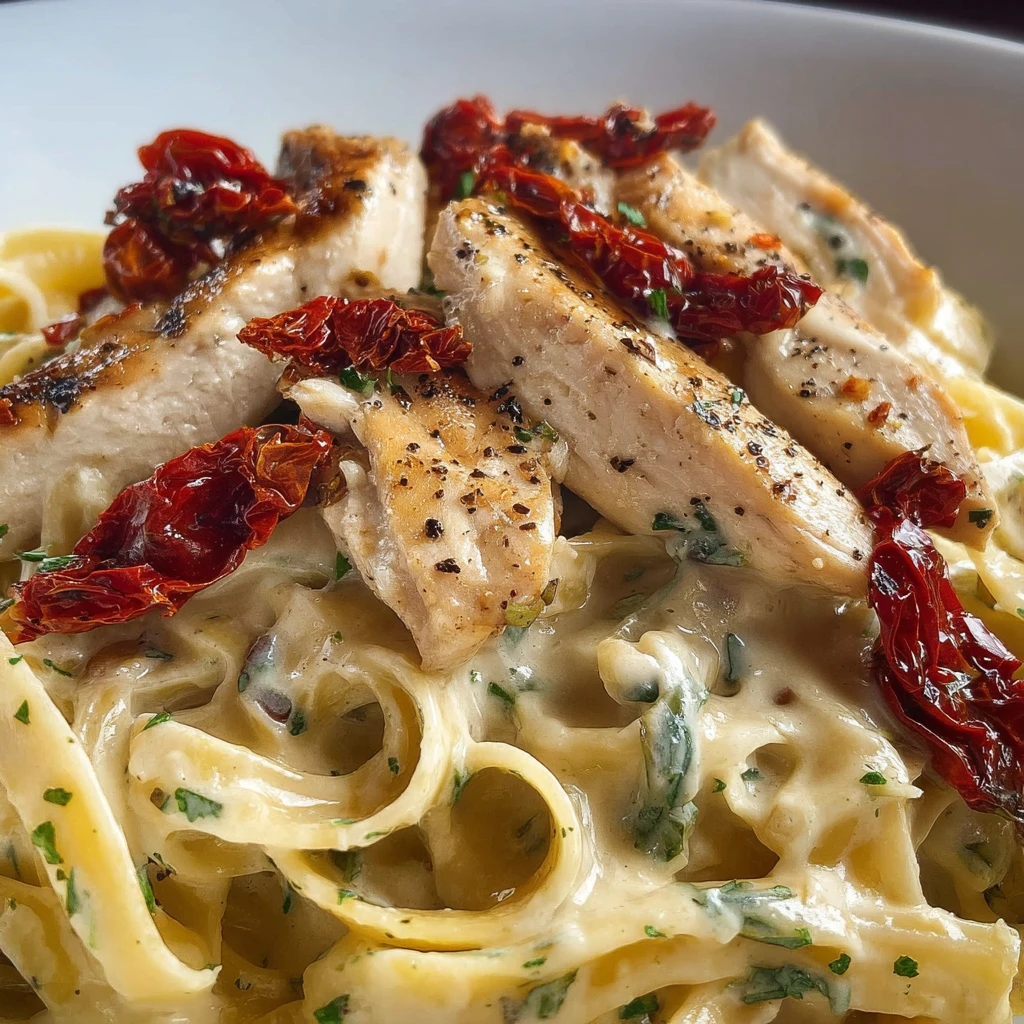
Garlic Shrimp Pasta: A Savory Delight in 25 Minutes
A delightful and savory dish that combines garlic-infused shrimp with pasta, creating a flavorful and satisfying meal in just 25 minutes. This elegant and easy-to-make recipe is perfect for seafood and pasta lovers alike.
Ingredients
- 1 pound shrimp, peeled and deveined
- 8 ounces pasta (such as linguine or spaghetti)
- 4 cloves garlic, minced
- 2 tablespoons olive oil
- 1/2 teaspoon red pepper flakes
- Salt and pepper to taste
- Fresh parsley, chopped (for garnish)
Directions
- Cook the pasta according to the package instructions until al dente. Drain and set aside.
- In a large skillet, heat the olive oil over medium heat. Add the minced garlic and red pepper flakes, and sauté until the garlic is fragrant.
- Add the shrimp to the skillet and cook until pink and opaque, about 2-3 minutes per side.
- Season the shrimp with salt and pepper to taste.
- Add the cooked pasta to the skillet and toss to combine with the shrimp and garlic.
- Cook for an additional 1-2 minutes to allow the flavors to meld together.
- Remove from heat and garnish with chopped parsley.
- Serve hot and enjoy your delicious Garlic Shrimp Pasta!