
Table of Contents
Homemade Chicken Soup
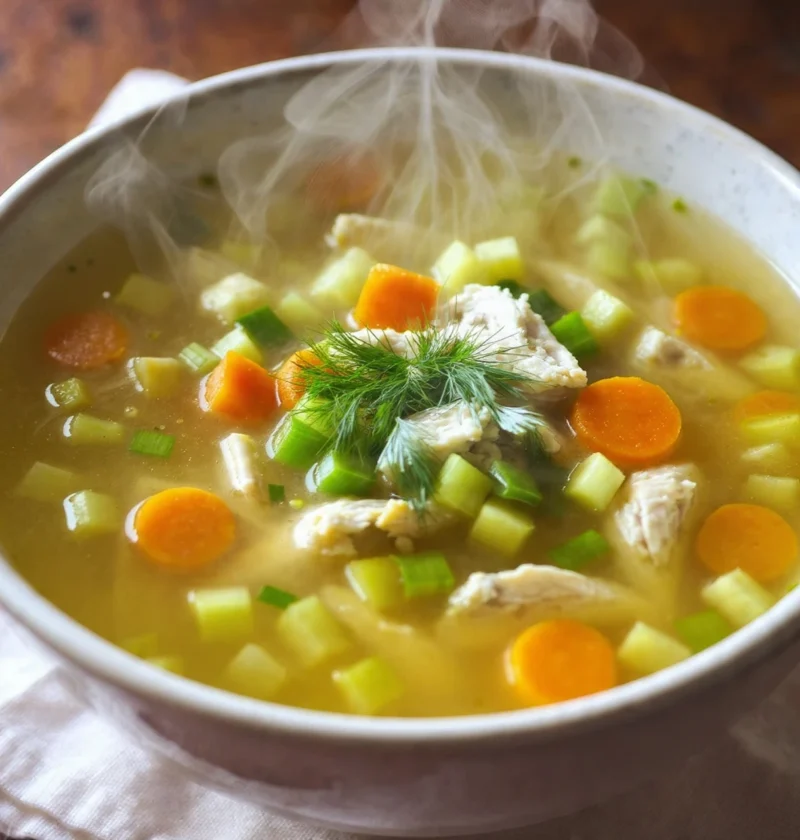
The Best Homemade Chicken Soup (With Noodle & No‑Noodle Options) is a classic, cozy, from‑scratch chicken soup that starts with real chicken, onion, carrots, and celery simmered in broth until tender, then finished with herbs and a squeeze of brightness, with the option to add noodles or keep it brothy and simple for a lighter bowl. It is the kind of comforting, healing soup that works for sick days, chilly nights, meal prep, and everyone around the table, no matter whether they prefer chicken noodle or plain chicken soup.
Introduction
There is nothing quite like a steaming bowl of homemade chicken soup when the weather turns cold or you feel a little run‑down. The aroma of onions, carrots, and celery softening in a pot with chicken and herbs fills the kitchen with that unmistakable “someone’s making soup” smell that instantly feels like home. The broth is rich and savory, the chicken is tender, and every spoonful feels like a warm hug in a bowl.
This version of the best homemade chicken soup is built on simple, timeless ingredients: chicken, stock or water, the classic trio of carrots, celery, and onion, and a handful of herbs like thyme, dill, and parsley for fresh flavor. You can keep it clean and brothy with just the vegetables and chicken or turn it into a heartier chicken noodle soup by adding egg noodles, pasta, or even rice for a more filling bowl.
The beauty of this recipe is how flexible it is. You can use a whole chicken, bone‑in pieces, or even a rotisserie chicken shortcut, and the soup will still taste like it simmered all afternoon. A squeeze of lemon at the end brightens everything and makes the flavors pop, while fresh herbs stirred in right before serving give each bowl that “grandma’s kitchen but updated” feeling.
Whether you are craving classic chicken noodle soup or prefer a no‑noodle, low‑carb option with extra veggies, this recipe has a cozy variation for you. Let’s get started and build a pot of The Best Homemade Chicken Soup you can customize any way you like.
Why You’ll Love This Recipe
- Built on simple pantry and fridge staples like chicken, carrots, celery, onion, and broth, so you can make it anytime without a long shopping list.
- Flexible base that works as both a classic chicken noodle soup and a no‑noodle, veggie‑forward chicken soup depending on what you and your family love.
- Naturally comforting and soothing, often turned to as a “feel better” soup when someone is sick thanks to warm broth and gentle, nourishing ingredients.
- Easy to scale up for meal prep, and it freezes well so you can keep portions of homemade chicken soup ready for busy nights.
- Customizable with herbs like thyme, dill, and parsley, plus a squeeze of lemon for brightness, so the flavor is both classic and fresh.
- If you love classic comfort food and cozy chicken recipes, this homemade chicken soup will become a go‑to weeknight dinner idea and freezer staple.
Ingredients
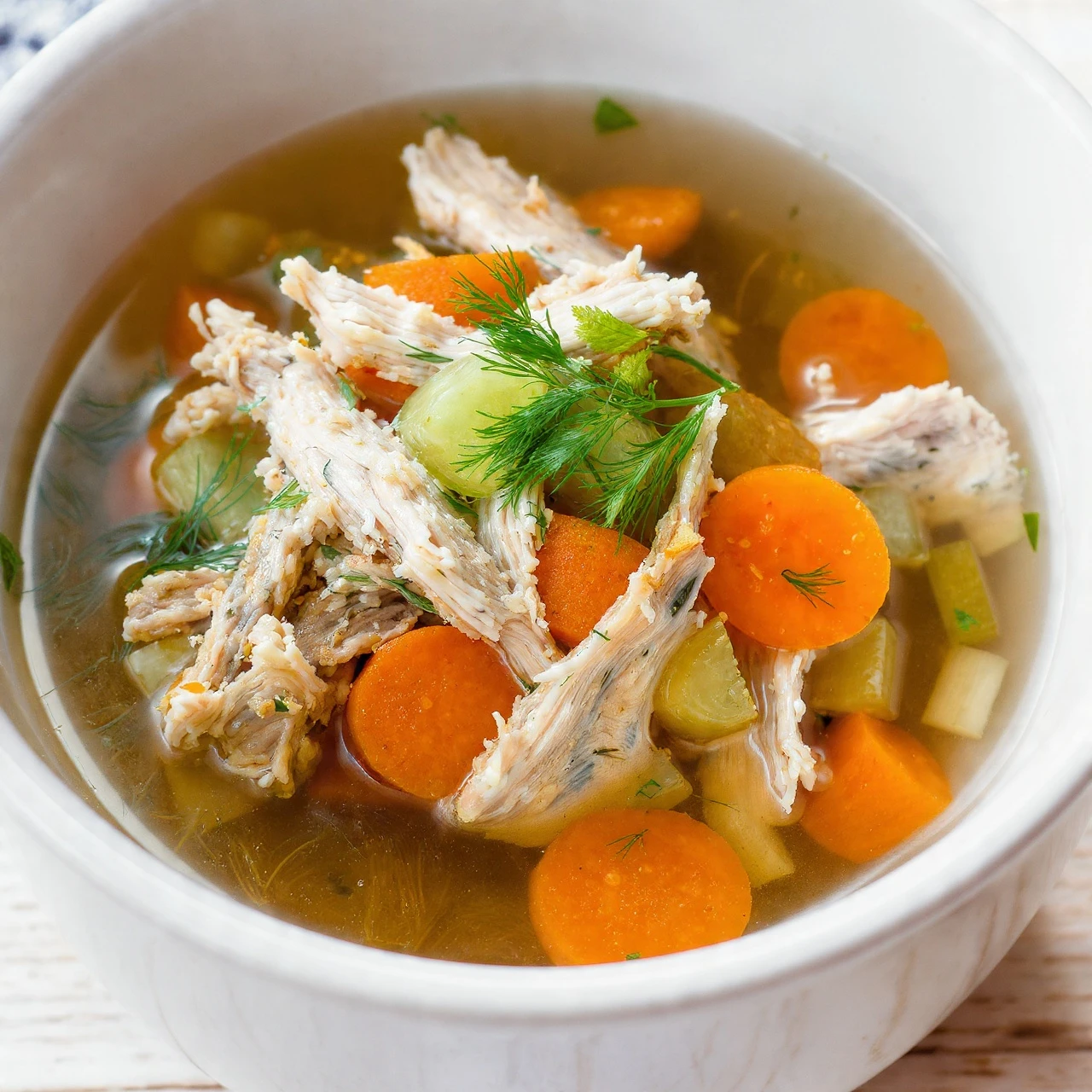
Below is a base ingredient list for a generous pot of chicken soup (about 6 servings), with options to turn it into chicken noodle soup or keep it noodle‑free.
Use this base as a template and tweak quantities depending on the size of your pot and how brothy or chunky you like your soup.
Step‑by‑Step Instructions
1. Build the flavor base
- Heat olive oil or butter in a large soup pot or Dutch oven over medium heat.
Tip: A wide, heavy pot helps the vegetables soften evenly and gives the soup a rich flavor. - Add the diced onion, carrots, and celery with a pinch of salt, and sauté until the onions are translucent and the vegetables start to soften.
Tip: Take your time here; gently sautéing the vegetables develops sweetness and creates a deeper flavored broth. - Stir in the minced garlic and cook for another 30–60 seconds until fragrant, being careful not to brown it.
Tip: Garlic can burn quickly, so add it after the other vegetables have softened.
2. Add the chicken and liquids
- Nestle the chicken (whole or pieces) into the pot on top of the vegetables.
Tip: Bone‑in, skin‑on chicken creates a richer, silkier broth because of the collagen and fat from the bones and skin. - Pour in the chicken broth or stock and add enough water, if needed, to just cover the chicken.
Tip: Using mostly broth with some water keeps the soup flavorful but still light and not overly salty. - Add the thyme, bay leaf if using, and a light pinch of salt and pepper. Bring the pot up to a gentle boil over medium‑high heat.
Tip: Do not over‑salt at this stage because the liquid will reduce slightly as it simmers.
3. Simmer until the chicken is tender
- Once the soup reaches a gentle boil, reduce the heat to low or low‑medium so it simmers with small bubbles. Cover partially and cook until the chicken is fully cooked through and very tender, usually 35–45 minutes for bone‑in pieces or a smaller whole chicken.
Tip: A slow simmer keeps the broth clear and prevents the chicken from becoming tough. - Occasionally skim off any foam or excess fat that rises to the top with a spoon.
Tip: Skimming helps keep the soup tasting clean while still leaving enough richness for comfort.
4. Shred the chicken
- When the chicken is cooked and tender, carefully transfer it to a large plate or cutting board and let it cool slightly.
Tip: Leave the soup at a gentle simmer with the vegetables while the chicken cools so the flavors continue to develop. - Remove and discard the skin and bones, then shred or chop the chicken into bite‑sized pieces.
Tip: Shred the chicken while it is still warm; it is much easier to pull apart than when it is cold. - Taste the broth and adjust with more salt and pepper as needed, then return the shredded chicken to the pot.
Tip: Season at the end once the chicken is back in the soup so everything tastes balanced.
5. Noodle and no‑noodle options
- For the no‑noodle version, continue simmering the soup for another 5–10 minutes to let the chicken absorb flavor, then stir in the lemon juice and fresh parsley before serving.
Tip: Add fresh herbs and lemon off the heat or at the very end of cooking so they stay bright and vibrant. - For the noodle version, you can either cook egg noodles separately in salted water and stir them into individual bowls, or add dry noodles directly to the simmering soup and cook until tender.
Tip: Cooking noodles separately keeps them from soaking up too much broth and getting overly soft, especially if you plan to store leftovers. - Once noodles (if using) are cooked and the seasoning tastes right, ladle the soup into bowls and top with extra fresh dill or parsley if you like.
Tip: A final grind of black pepper and extra herbs on top makes each bowl feel special and freshly made.
Tips for Success
- Use bone‑in chicken for the richest, most flavorful broth, or add a mix of bone‑in pieces and boneless meat for convenience and depth of flavor.
- Take time to sauté the onion, carrot, and celery first instead of dropping them straight into boiling liquid; this step builds sweetness and a more complex soup base.
- Simmer gently, never at a hard boil, to keep the broth clear and the chicken tender instead of stringy or dry.
- Add noodles separately if you plan to store the soup so they do not soak up all the broth and turn mushy in the fridge.
- Finish with fresh herbs and a squeeze of lemon; these “finishing touches” turn a good chicken soup into one that tastes vibrant and homemade.
- If you prefer a richer soup, use all broth instead of some water and leave a little of the chicken skin or fat in the pot for extra body.
- For a lighter, weeknight dinner idea, load up on extra vegetables and skip the noodles or serve them on the side so each person can customize their bowl.
Variations & Substitutions
- Classic Chicken Noodle Soup: Stir cooked egg noodles or small pasta shapes like ditalini into each bowl before ladling in the hot chicken soup for that nostalgic, comforting chicken noodle experience.
- No‑Noodle / Low‑Carb Chicken Soup: Skip the noodles and increase the vegetables by adding extra carrots, celery, or low‑carb options like zucchini and green beans for a lighter, veggie‑rich soup.
- Chicken & Rice Soup: Swap noodles for cooked white or brown rice; stir the rice into each bowl or into the pot near the end for a heartier option that still feels wholesome.
- Rotisserie Chicken Shortcut: Use a store‑bought roasted chicken to save time: simmer the carcass with broth, then add shredded meat back in, following a method similar to many quick homemade chicken soup recipes.
What to Serve With It
- Crusty bread or warm dinner rolls to soak up every bit of broth and make the meal feel more substantial.
- A simple green salad with a lemony vinaigrette to balance the warmth of the soup with something fresh and crisp.
- Grilled cheese or a simple toasted sandwich for a classic soup‑and‑sandwich comfort food combo.
- For a cozy night in, pair the soup with roasted vegetables or a light dessert like fruit and yogurt to keep the meal nourishing but satisfying.
Storage & Reheating
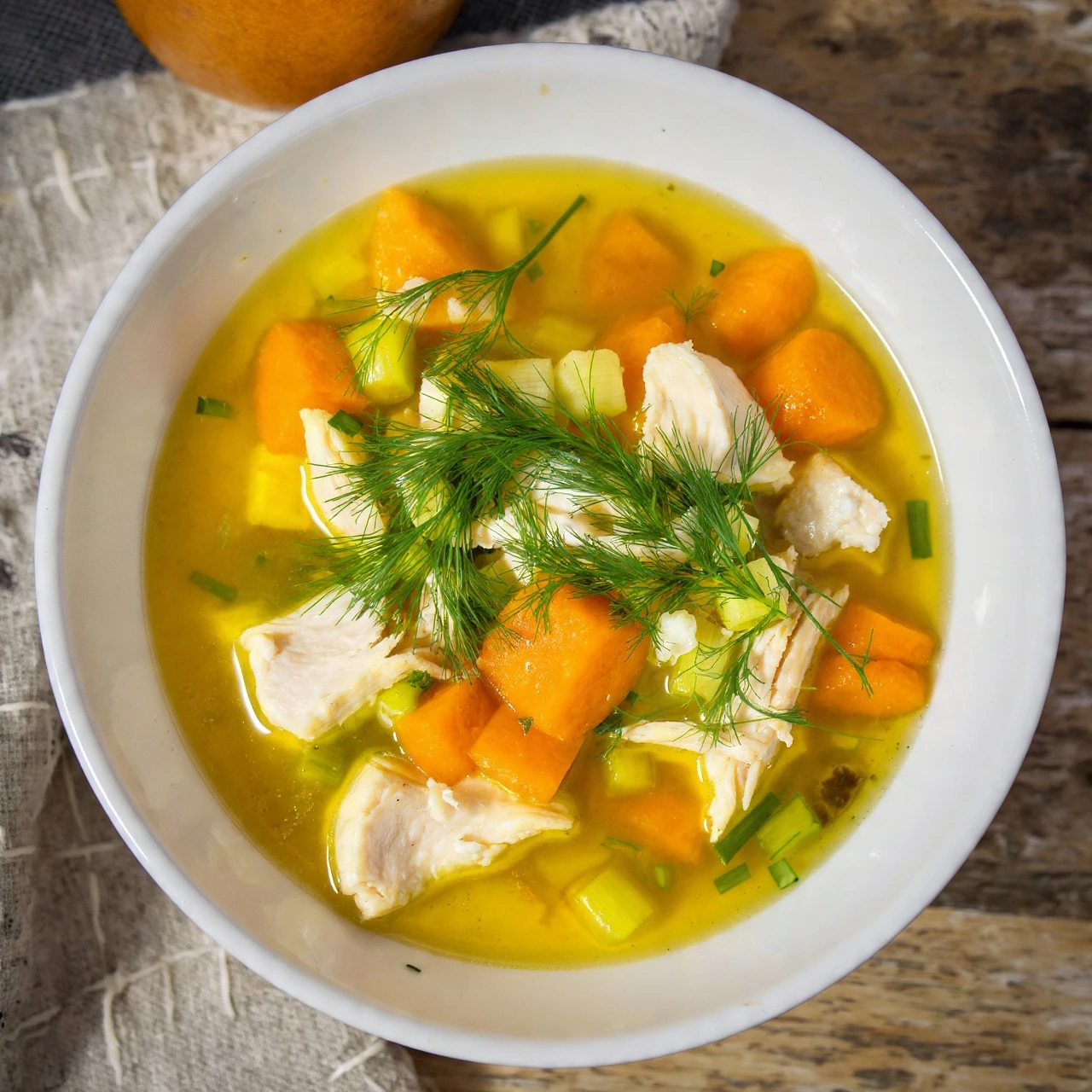
- Refrigeration: Let the soup cool to room temperature, then store it in airtight containers in the fridge for up to 3–4 days. If noodles are included, they may soften over time.
- Freezing: For best results, freeze the broth with chicken and vegetables but without noodles; it keeps well for several months and reheats beautifully.
- Reheating on the stove: Warm gently over medium‑low heat until hot, adding a splash of broth or water if the soup has thickened.
- Reheating in the microwave: Heat in short bursts, stirring between each, until steaming hot.
- If you want to keep the broth tasting fresh after reheating, add a small squeeze of lemon and a sprinkle of fresh herbs right before serving.
Nutrition Facts
Approximate values for one serving (about 1 1/2 cups of no‑noodle chicken soup with vegetables, based on typical homemade chicken soup profiles):
| Nutrient | Approx. Amount per Serving |
|---|---|
| Calories | 250–320 kcal |
| Protein | 25–30 g |
| Carbs | 8–15 g |
| Fat | 10–15 g |
| Fiber | 1–3 g |
| Sugar | 2–4 g |
| Sodium | 400–700 mg (depending on broth and salt) |
With plenty of lean protein from chicken and moderate fat, this soup can fit well into high‑protein or balanced eating patterns, especially if you choose the no‑noodle or extra‑vegetable version. Adding noodles or rice will increase the carbohydrate content and calories, which can be great if you want a heartier, more filling bowl.
Common Mistakes to Avoid
- Boiling the soup too hard, which can make the broth cloudy and the chicken tough instead of tender and juicy.
- Using only boneless, skinless chicken without any bones or skin, which can result in a thinner, less flavorful broth unless you compensate with very good stock.
- Adding too much salt early; as the liquid reduces, the soup can end up too salty, so it is better to season lightly at first and adjust at the end.
- Cooking noodles directly in the soup when you plan to store it, which can cause them to swell, get mushy, and soak up too much broth over time.
- Skipping the fresh herbs or lemon finish, which can leave the soup tasting flat instead of bright and layered.
FAQ
Can I make this homemade chicken soup in a slow cooker?
Yes, you can layer the vegetables and chicken in a slow cooker, cover with broth, add herbs, and cook on low until the chicken is tender, then shred the meat and return it to the pot. For noodles, cook them separately and add just before serving so they do not over‑soften.
Can I make this with boneless, skinless chicken breasts or thighs?
You can absolutely use boneless, skinless chicken for a leaner soup. The flavor will be lighter than when using bone‑in pieces, so start with a good quality chicken stock and consider adding extra herbs and a squeeze of lemon at the end to boost the flavor.
How do I keep noodles from getting mushy?
Cook noodles separately in salted water and store them in a separate container, then add them to individual bowls and ladle hot soup over the top. This keeps the noodles from soaking up all the broth and turning soft in the fridge.
Can I make this soup gluten‑free?
Yes, this soup is naturally gluten‑free if you use gluten‑free broth and skip regular noodles or swap them for gluten‑free pasta or rice. Many from‑scratch chicken soup recipes are gluten‑free when no wheat‑based pasta or thickeners are used.
How do I make the broth more flavorful?
Use bone‑in chicken, sauté the vegetables before adding liquid, simmer gently but long enough to extract flavor, and finish with fresh herbs and lemon. You can also add a bay leaf or extra herbs like dill or rosemary during simmering.
Can I add other vegetables?
Yes, chicken soup is very versatile. You can add corn, green beans, peas, parsnips, or even leafy greens during the last few minutes of cooking for more color and nutrition.
Is this a good soup to freeze for later?
It is an excellent freezer soup, especially if you freeze it without noodles. Many homemade chicken soup recipes are recommended for freezing because they reheat well and are perfect to have on hand for quick meals or sick days.
Conclusion
The Best Homemade Chicken Soup (With Noodle & No‑Noodle Options) brings together classic ingredients, gentle simmering, and a few bright finishing touches to create a pot of soup that feels both nostalgic and fresh. With flexible ways to serve it, from brothy and simple to hearty chicken noodle, it is a recipe you can lean on all year long for comfort, ease, and nourishing flavor.
Try this homemade chicken soup the next time you need a cozy dinner or a healing, feel‑better meal, and customize it with noodles, rice, or extra veggies to match your mood. If you loved this, you might also enjoy making a classic chicken noodle soup variation or a Creamy Chicken Pillows next for more comforting chicken recipes.
The Best Homemade Chicken Soup (With Noodle & No-Noodle Options)
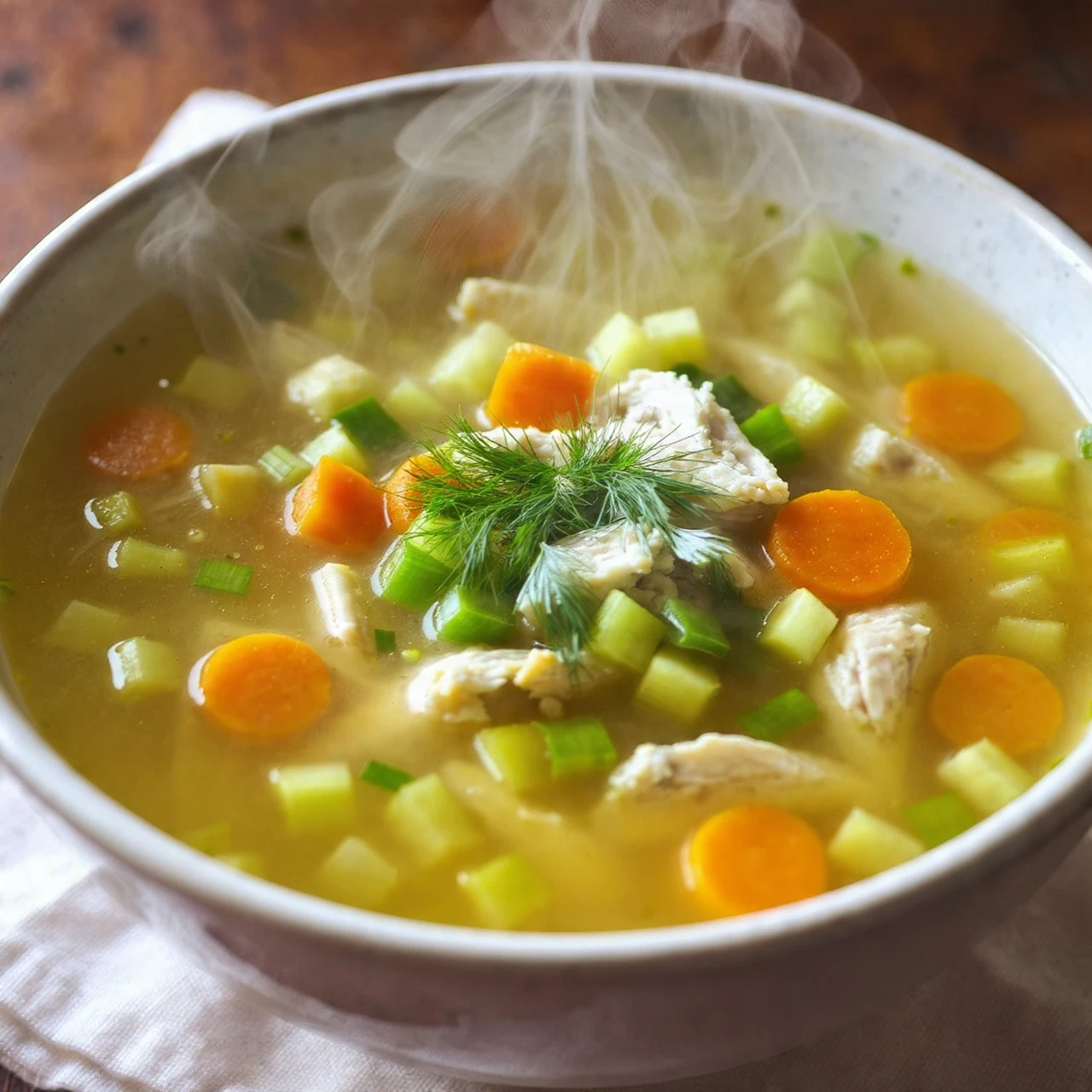
Learn how to craft the best homemade chicken soup, whether you prefer a classic noodle version or a noodle-free option. This comforting and nourishing recipe is perfect for any occasion, combining tender chicken, hearty vegetables, and aromatic herbs in a flavorful broth.
Ingredients
- 8 cups organic chicken broth
- 1 lb boneless, skinless chicken breasts
- 2 large carrots, chopped
- 2 stalks celery, chopped
- 1 onion, chopped
- 1 tsp dried thyme
- 2 tbsp fresh parsley, chopped
- 2 bay leaves
- Salt and pepper to taste
- Optional: 8 oz noodles or rice
Directions
- In a large pot, bring the chicken broth to a simmer over medium heat.
- Add the chicken breasts and cook for about 20 minutes or until cooked through. Remove the chicken, shred it using forks.
- Add carrots, celery, onions, herbs, and spices to the broth. Simmer for an additional 15-20 minutes until vegetables are tender.
- Return shredded chicken to the pot and add noodles or rice. Cook until tender.
- Season the soup with salt and pepper. Adjust seasoning to taste.
- Serve hot, garnished with fresh herbs or a squeeze of lemon.