Table of Contents
Italian Pasta Salad High Protein: 5 Healthy Secrets Unveiled
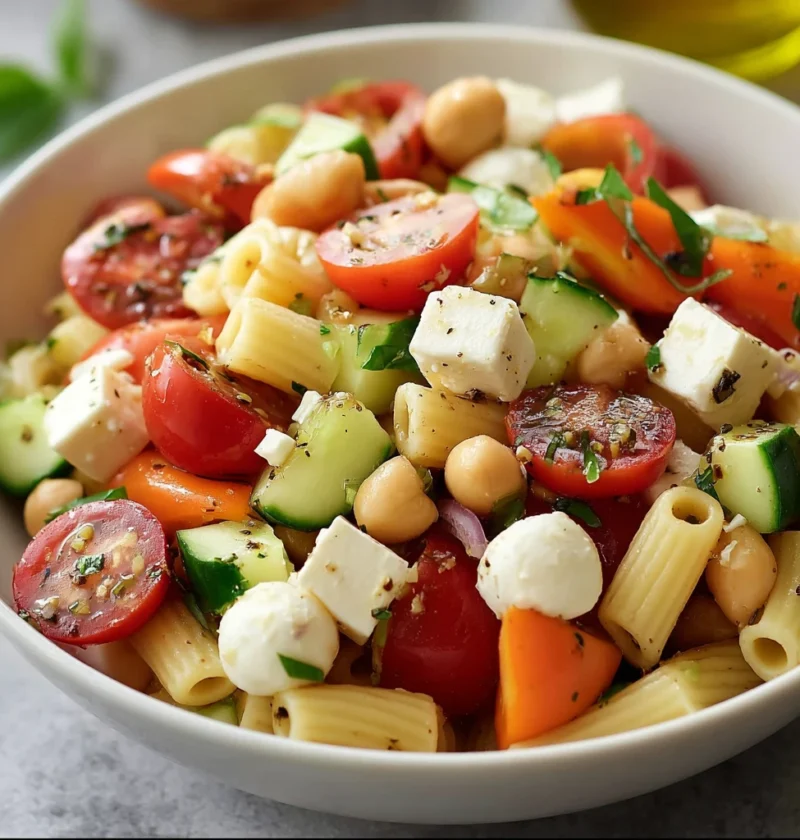
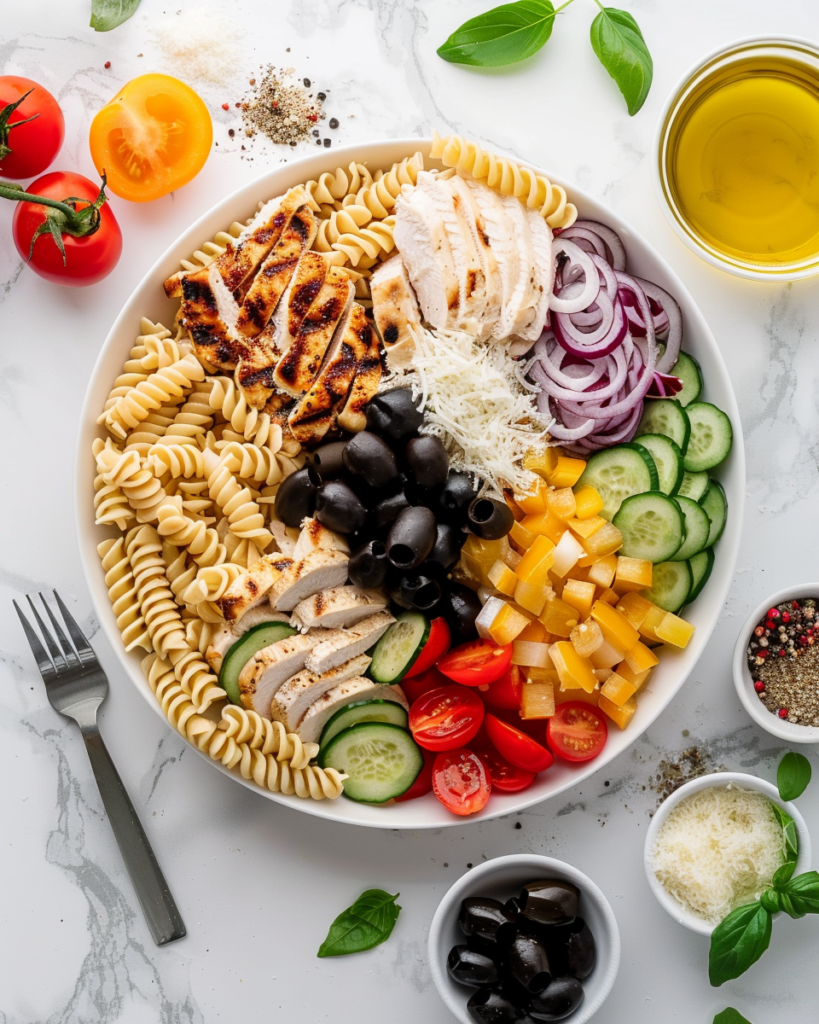
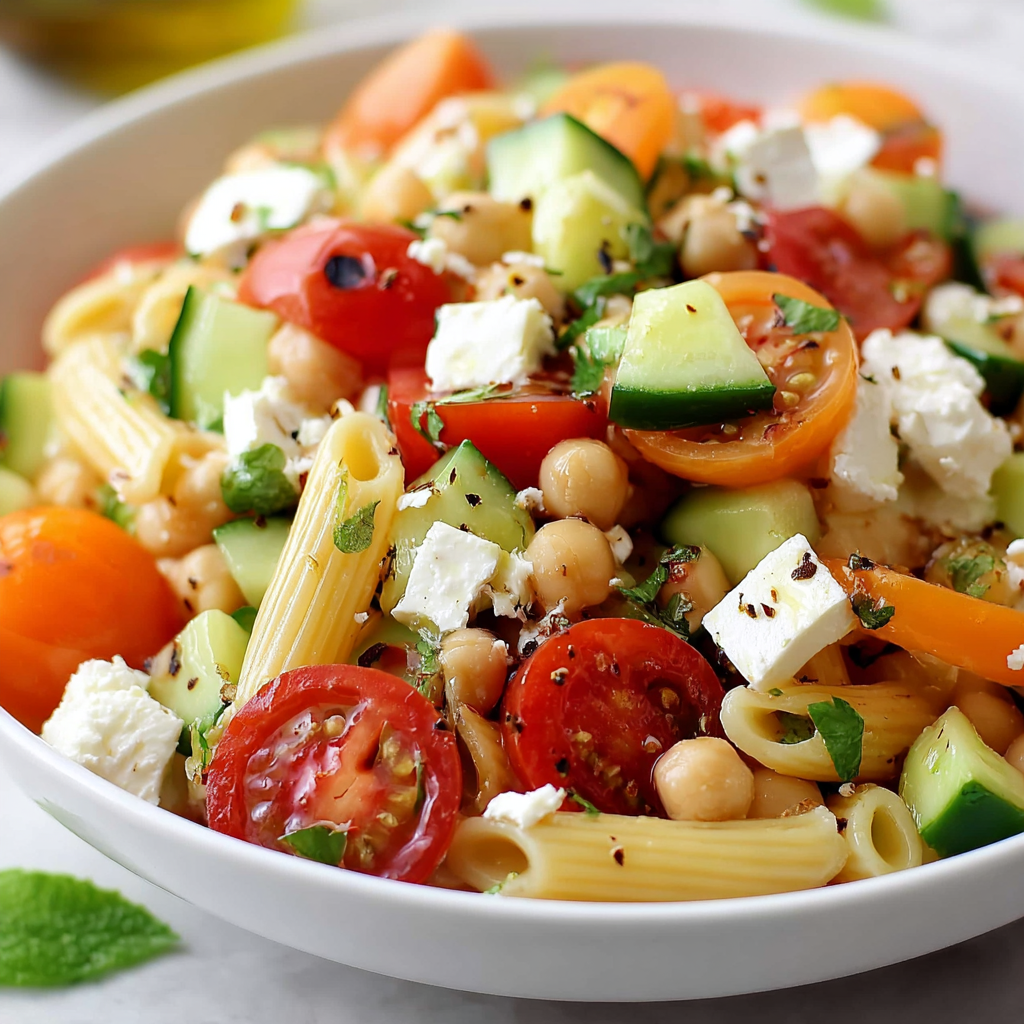
There’s something undeniably satisfying about a bowl of pasta salad that’s both hearty and fresh—especially when it packs a protein punch that keeps you fueled for hours. Imagine twirling forkfuls of tender protein‑enhanced pasta, crisp vegetables, savory grilled chicken, and creamy mozzarella pearls, all coated in a light, zesty Italian dressing. The result is a dish that feels indulgent yet aligns perfectly with your wellness goals, making it ideal for meal prep, picnics, or a quick weeknight dinner.
If you’ve been searching for a way to enjoy the classic flavors of Italian pasta salad without sacrificing protein or nutrition, you’re in the right place. This recipe reveals five simple, science‑backed secrets that transform an ordinary side dish into a high‑power meal. From choosing the right pasta base to loading up on lean proteins and smart swaps, each tip is designed to maximize flavor, texture, and nutritional value—without requiring hours in the kitchen or a pantry full of specialty items.
What makes this high‑protein Italian pasta salad truly special is its versatility. You can easily adapt it to suit vegetarian, gluten‑free, or dairy‑free preferences while still hitting your protein targets. The dressing stays light, the veggies stay crisp, and the protein sources stay satisfying, ensuring every bite feels both nourishing and delicious. Whether you’re feeding a crowd at a summer barbecue or packing lunches for the workweek, this salad delivers the kind of balanced, satisfying nutrition that keeps cravings at bay and energy levels steady.
Get ready to discover how a few mindful tweaks can turn a beloved classic into a protein‑packed powerhouse. By the end of this guide, you’ll have a foolproof recipe, practical tips for success, and plenty of inspiration to make this salad your own.
Why You’ll Love This Recipe
This high‑protein Italian pasta salad isn’t just another version of a picnic staple—it’s a strategically crafted meal that delivers on taste, convenience, and nutrition. Here’s what sets it apart:
- Protein‑packed – Thanks to protein pasta, grilled chicken, chickpeas, and mozzarella, each serving delivers over 30 grams of protein, helping support muscle repair and keep you full longer.
- Meal‑prep friendly – The salad tastes even better after a few hours in the fridge, making it perfect for batch cooking and grab‑and‑go lunches.
- Bursting with fresh flavor – Crisp cucumbers, sweet grape tomatoes, bell peppers, and fresh basil provide a vibrant contrast to the savory protein elements.
- Easy to customize – Swap in different proteins, pasta shapes, or veggies based on what you have on hand or your dietary needs.
- Balanced macronutrients – With a thoughtful mix of complex carbs, lean protein, and healthy fats from olive oil, the salad supports sustained energy without the crash.
- Crowd‑pleasing – Whether served as a main dish or a hearty side, it appeals to both kids and adults, making it ideal for potlucks, BBQs, and family gatherings.
- Diet‑flexible – Gluten‑free pasta, plant‑based proteins, and dairy‑free cheese alternatives all work seamlessly, allowing you to tailor the recipe to your lifestyle.
If you love recipes that prove healthy eating doesn’t have to be bland or boring, this high‑protein Italian pasta salad will quickly become a staple in your rotation.
Recipe Snapshot
Before we dive into the details, here’s a quick look at what you’ll need to know to get started.
- Prep Time: 20 minutes
- Cook Time: 15 minutes (for pasta and chicken)
- Total Time: 35 minutes (plus chilling time)
- Servings: 6–8 generous portions (about 1 ½ cups per serving)
- Best Served: Chilled or at room temperature
- Storage: Airtight container in the refrigerator for up to 4 days
Ingredients
The secret to a truly satisfying high‑protein pasta salad lies in choosing quality ingredients that each contribute to flavor, texture, and nutrition. Below is a detailed list that yields a balanced, protein‑rich dish. Feel free to adjust quantities based on your serving size or preferences.
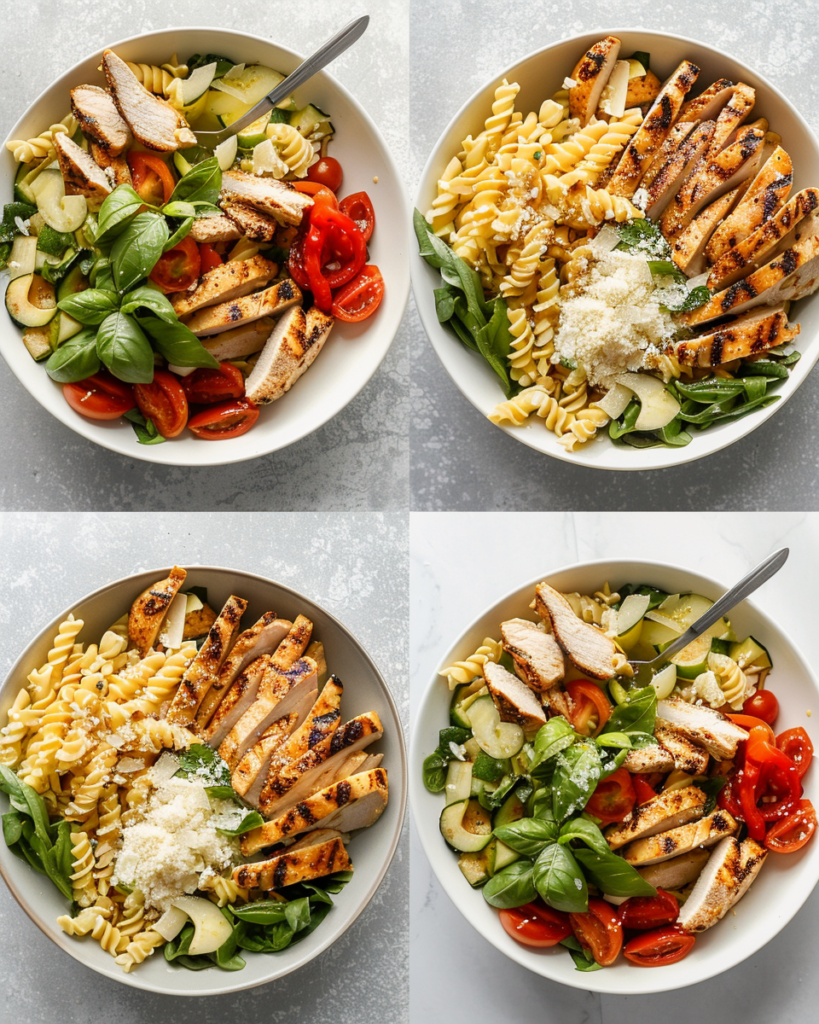
Why these ingredients work:
- Protein pasta forms the foundation, delivering significantly more protein than traditional wheat pasta while maintaining a pleasant texture.
- Grilled chicken breast is a lean, versatile protein that pairs beautifully with Italian flavors and stays moist when not overcooked.
- Chickpeas add plant‑based protein, fiber, and a nutty undertone that makes the salad more filling.
- Mozzarella pearls provide a creamy, mild cheese that melts slightly into the dressing, adding richness without overwhelming the dish.
- The vegetable medley ensures every bite is crisp, colorful, and packed with vitamins, minerals, and antioxidants.
- Light Italian dressing keeps the salad lively without the heaviness of creamy alternatives, letting the fresh ingredients shine.
Step‑by‑Step Instructions
Follow these numbered steps to create a perfectly balanced, high‑protein Italian pasta salad. Each step includes a tip to help you avoid common pitfalls and achieve the best texture and flavor.
1. Cook the protein pasta
Bring a large pot of salted water to a rolling boil. Add the protein pasta and cook according to the package directions—usually 8‑10 minutes for chickpea or lentil varieties—until al dente. Stir occasionally to prevent sticking.
Tip: Protein pasta can become mushy if overcooked; test a piece a minute before the suggested time to ensure it’s firm to the bite.
2. Prepare the chicken
While the pasta cooks, season the chicken breast with salt, pepper, and a pinch of Italian seasoning. Grill, pan‑sear, or poach until the internal temperature reaches 165 °F (74 °C), about 5‑6 minutes per side depending on thickness. Let rest for 5 minutes, then dice into bite‑size pieces.
Tip: For extra juiciness, brush the chicken with a little olive oil before cooking and let it rest before dicing.
3. Rinse and cool the pasta
Once the pasta is al dente, drain it in a colander and rinse under cold running water for 30‑45 seconds. This stops the cooking process and removes excess starch, which can make the salad gummy. Shake off excess water and transfer to a large mixing bowl.
Tip: Rinsing is especially important for protein pasta, as it tends to be stickier than traditional wheat pasta.
4. Chop the vegetables and olives
While the pasta cools, halve the grape tomatoes, seed and chop the cucumber, dice the bell pepper, finely chop the red onion, and slice the Kalamata olives. Place all prepped vegetables in a separate bowl.
Tip: Salting the cucumber and letting it sit for 5 minutes draws out excess water; pat dry before adding to the salad to prevent sogginess.
5. Combine the main ingredients
To the cooled pasta, add the diced chicken, rinsed chickpeas, mozzarella pearls, and the prepared vegetable mixture. Toss gently to distribute evenly.
Tip: Adding the mozzarella last helps prevent it from breaking down too much if the salad sits for a while.
6. Dress the salad
Pour the light Italian dressing over the pasta mixture. If you like a richer mouthfeel, drizzle in the optional tablespoon of extra‑virgin olive oil. Toss until every strand of pasta and every piece of ingredient is lightly coated.
Tip: Start with ¾ cup of dressing, toss, then add more as needed—you can always add more, but you can’t take it away.
7. Season and chill
Season the salad with salt and freshly ground black pepper to taste. Add the chopped fresh basil and give it one final toss. Cover the bowl with plastic wrap or a lid and refrigerate for at least 30 minutes, preferably 1‑2 hours, to allow the flavors to meld.
Tip: Chilling not only improves taste but also helps the pasta firm up slightly, making the salad easier to serve.
8. Serve and enjoy
Give the salad a quick toss before serving to redistribute any dressing that may have settled. Spoon into bowls or plates, and enjoy chilled or at room temperature. Garnish with an extra basil leaf or a few extra olives if desired.
Tip: If serving outdoors, keep the salad in a cooler or insulated bag until ready to eat to maintain freshness and food safety.
Tips for Success
These practical tips will help you avoid common missteps and ensure your high‑protein Italian pasta salad turns out perfectly every time.
- Choose the right protein pasta – Not all protein pastas are created equal. Look for brands that list chickpeas, lentils, or black beans as the first ingredient and have at least 12 g of protein per 2 oz serving. Avoid those with excessive fillers or gums that can create a gummy texture.
- Don’t overcook the pasta – Protein pasta tends to go from firm to mushy quickly. Cook it just until al dente, then rinse immediately to halt the cooking process.
- Pat dry watery vegetables – Ingredients like cucumber and tomatoes can release water as they sit, making the salad soggy. Salting and draining cucumber, and patting tomatoes dry, keeps the texture crisp.
- Use a light hand with the dressing – Start with less dressing than you think you need; the pasta will absorb some as it chills. You can always add more before serving.
- Let it chill for flavor development – The salad tastes significantly better after at least 30 minutes in the fridge, as the herbs, vegetables, and pasta absorb the dressing’s flavors.
- Keep proteins moist – If grilling chicken, avoid overcooking; a meat thermometer ensures perfect doneness without dryness. For a shortcut, use pre‑cooked rotisserie chicken, shredded or diced.
- Add delicate ingredients last – Fresh basil and mozzarella pearls are best added just before chilling or serving to maintain their texture and color.
- Make it a complete meal – For extra heartiness, serve the salad over a bed of mixed greens or alongside a slice of whole‑grain garlic bread.
- Store properly – Keep the salad in an airtight container in the refrigerator. If it seems dry after a day, refresh it with a splash of dressing or a drizzle of olive oil before serving.
- Taste and adjust before serving – After chilling, give the salad a final taste and adjust salt, pepper, or dressing as needed. Flavors can mute slightly when cold.
Variations & Substitutions
One of the greatest strengths of this recipe is its adaptability. Below are tested ways to tweak the salad based on dietary preferences, seasonal availability, or what you have in your fridge.
Protein swaps
- Vegetarian – Omit the chicken and increase chickpeas to 2 cups, or add 1 cup cooked lentils or ½ cup cubed tempeh marinated in Italian dressing.
- Vegan – Use plant‑based protein pasta, omit chicken and mozzarella, increase chickpeas to 2 cups, and add ½ cup diced avocado or ¼ cup chopped walnuts for healthy fat and texture.
- Seafood lover – Substitute half the chicken with ½ lb cooked shrimp or flaked canned tuna (in water, drained) for a lighter, ocean‑inspired twist.
- Red meat option – Use ½ lb lean ground turkey or beef, cooked and drained, for a richer flavor profile.
Pasta alternatives
- Gluten‑free – Choose a gluten‑free protein pasta (many chickpea or lentil varieties are naturally gluten‑free) or use regular gluten‑free rotini and boost protein with extra chickpeas and chicken.
- Whole‑grain – If you prefer traditional wheat pasta, opt for whole‑wheat or protein‑enriched semolina pasta and increase the chicken and chickpeas to maintain protein levels.
- Low‑carb – Replace pasta with spiralized zucchini or shirataki rice, then increase protein sources significantly; note that texture will differ.
Cheese changes
- Feta – Swap half the mozzarella for crumbled feta for a tangier, saltier note (reduce added salt accordingly).
- Provolone or Swiss – Dice mild provolone or Swiss for a creamier melt that still lets the veggies shine.
- Dairy‑free – Use vegan mozzarella shreds or cubes made from coconut oil or almond milk; many brands melt and blend well.
Vegetable & herb additions
- Roasted vegetables – Add ½ cup roasted zucchini, zucchini, or red pepper for deeper flavor; let cool before mixing in.
- Artichoke hearts – Chopped marinated artichokes add a briny, sophisticated touch.
- Arugula or spinach – Toss in a handful of fresh greens just before serving for a peppery bite and extra nutrients.
- Herbs – Experiment with fresh oregano, thyme, or parsley in addition to or instead of basil for varied aroma.
Dressing twists
- Homemade vinaigrette – Whisk together ¼ cup red wine vinegar, ⅓ cup extra‑virgin olive oil, 1 teaspoon Dijon mustard, 1 clove minced garlic, ½ teaspoon dried oregano, and salt and pepper to taste.
- Greek yogurt dressing – For a creamier, tangier option, blend ½ cup plain Greek yogurt, ¼ cup light Italian dressing, 1 tablespoon lemon juice, and herbs; this adds protein while keeping the dish lighter than mayo‑based dressings.
- Pesto drizzle – Swirl in 1‑2 tablespoons of basil pesto for an herby, nutty finish; use sparingly to avoid overpowering the Italian profile.
Flavor boosters
- Sun‑dried tomatoes – Chopped oil‑packed sun‑dried tomatoes add intense sweetness and umami; use ¼ cup.
- Capers – A tablespoon of rinsed capers provides a briny pop that complements the olives.
- Red pepper flakes – A pinch adds gentle heat for those who like a little kick.
- Lemon zest – Grated lemon zest brightens the dressing without adding liquid.
What to Serve With It
This high‑protein Italian pasta salad is hearty enough to stand alone as a main dish, but pairing it with complementary sides, drinks, or even a simple dessert can turn it into a well‑rounded meal. The goal is to enhance—not overwhelm—the fresh, savory, protein‑packed flavors.
Best side dishes
- Grilled vegetable skewers – Zucchini, bell peppers, mushrooms, and red onion brushed with olive oil and herbs add smoky depth and extra vitamins.
- Garlic bread or bruschetta – A warm, crunchy slice of toasted baguette topped with tomato‑basil mixture offers a satisfying carb contrast.
- Simple green salad – Mixed greens with a light lemon vinaigrette provides acidity and crunch to balance the richness of the pasta salad.
- Fruit salad – A bowl of berries, melon chunks, or citrus segments adds juicy sweetness and a refreshing finish.
- Soup pairings – A light minestrone or tomato‑basil soup makes a comforting starter or side, especially for cooler days.
If you’re hosting a buffet or potluck, set out the pasta salad in a large, shallow bowl with a serving spoon, and surround it with bowls of grilled veggies, garlic bread slices, and fresh fruit for a colorful, inviting spread.
Storage & Reheating
Because this salad is meant to be enjoyed cold, storage is straightforward. Proper handling ensures it stays fresh, flavorful, and safe to eat for several days.
Refrigeration
- Transfer the salad to an airtight container or a large, sealable plastic bag.
- Store in the refrigerator at or below 40 °F (4 °C).
- Consume within 4 days for optimal texture and flavor; the vegetables will stay crisp, and the pasta will remain tender if not over dressed initially.
Freezing (not recommended)
- Freezing is generally discouraged for pasta salads with fresh vegetables and dairy, as thawing can lead to soggy tomatoes, rubbery cucumbers, and separated cheese. If you must freeze, omit the fresh veggies and mozzarella, freeze the pasta, protein, and dressing separately, then combine fresh ingredients after thawing.
Refreshing leftovers
- If the salad appears dry after a day or two, drizzle in 1‑2 tablespoons of light Italian dressing or a splash of extra‑virgin olive oil and toss well.
- If the pasta has absorbed too much liquid and feels gummy, add a handful of fresh, chopped vegetables (like cucumber or bell pepper) to restore crunch and balance.
Serving after storage
- Give the salad a good toss before serving to redistribute any dressing that may have settled.
- Let it sit at room temperature for 10‑15 minutes if you prefer it less chilled, or serve straight from the fridge for a refreshing bite.
Nutrition Facts
Nutrition varies based on specific brands of protein pasta, chicken, and dressing, as well as exact portion sizes. The table below provides an approximate breakdown per serving (based on 6 servings from the recipe as written), using chickpea pasta, grilled chicken breast, mozzarella pearls, and light Italian dressing.
| Nutrient | Approx. Amount per Serving |
|---|---|
| Calories | 380‑420 kcal |
| Protein | 30‑35 g |
| Carbohydrates | 30‑35 g |
| Fat | 16‑20 g |
| Saturated Fat | 4‑5 g |
| Fiber | 6‑8 g |
| Sugar | 6‑8 g (naturally occurring from vegetables and tomatoes) |
| Sodium | 500‑650 mg (varies with dressing and added salt) |
How this supports your goals:
- The protein content (30‑35 g per serving) helps meet daily protein needs, supports muscle maintenance, and promotes satiety, making this salad an excellent post‑workout or lunch option.
- Fiber from the protein pasta, chickpeas, and vegetables aids digestion and helps regulate blood sugar levels.
- Healthy fats from olives, optional olive oil, and mozzarella provide sustained energy and support nutrient absorption.
- Vitamins and minerals from tomatoes (vitamin C, lycopene), bell peppers (vitamin A, C), and basil (vitamin K, antioxidants) contribute to overall wellness.
If you wish to adjust the nutritional profile:
- Lower calories/fat – Reduce mozzarella to ½ cup, use ½ cup dressing, and increase vegetable volume.
- Higher protein – Add an extra ½ cup chickpeas or ¼ cup grilled shrimp, or increase chicken to 1 ¼ lb.
- More fiber – Choose a higher‑fiber protein pasta (like black bean) or add ½ cup cooked lentils.
- Lower sodium – Use a no‑salt‑added dressing, rinse canned chickpeas well, and limit added salt.
Common Mistakes to Avoid
Even a straightforward pasta salad can suffer from a few common missteps that affect texture, flavor, or safety. Watch out for these frequent errors.
- Overcooking the protein pasta – This leads to a mushy, gummy texture that doesn’t hold up well in a salad. Always cook to al dente and rinse promptly.
- Skipping the rinse step – Not rinsing the pasta leaves excess starch on the surface, which can cause the salad to become clumpy and sticky as it chills.
- Using watery vegetables without prepping – Tomatoes and cucumbers release water as they sit, diluting the dressing and making the salad soggy. Salt and drain cucumber, and pat tomatoes dry.
- Overdressing the salad – Too much dressing can overwhelm the fresh ingredients and make the dish feel heavy. Start with less and add more after chilling if needed.
- Adding delicate ingredients too early – Fresh basil and mozzarella pearls can wilt or break down if mixed in too far ahead. Add them just before chilling or serving.
- Using low‑quality dressing – Heavy, creamy dressings add unnecessary calories and can mask the fresh flavors. Opt for a light, oil‑based Italian dressing with herbs and vinegar.
- Neglecting to season after chilling – Cold temperatures can mute flavors; always taste and adjust salt, pepper, or dressing before serving.
- Storing in a non‑airtight container – Exposure to air can dry out the pasta and allow odors from other foods to affect the salad. Use a tight‑sealing lid or bag.
- Using expired or spoiled ingredients – Always check the freshness of chicken, mozzarella, and vegetables before using; spoiled items can cause foodborne illness.
- Serving immediately without chilling – While you can eat the salad right away, chilling for at least 30 minutes allows the flavors to meld and the pasta to firm up, resulting in a more cohesive dish.
FAQ
Can I make this salad ahead of time?
Absolutely. In fact, it’s recommended to prepare the salad at least 30 minutes before serving, and it tastes even better after 1‑2 hours in the fridge. Store it in an airtight container and give it a quick toss before serving.
Do I have to use protein pasta?
While traditional wheat pasta works, using protein pasta significantly boosts the protein content without sacrificing texture. If you prefer regular pasta, increase the chicken and chickpeas to compensate for the lost protein.
Is this salad gluten‑free?
Yes, if you choose a gluten‑free protein pasta (many chickpea, lentil, or black bean varieties are naturally gluten‑free) and ensure all other ingredients (like dressing and olives) are labeled gluten‑free.
Can I make a vegan version?
Definitely. Omit the chicken and mozzarella, increase chickpeas to 2 cups, and add ½ cup diced avocado or ¼ cup chopped walnuts for healthy fat. Use a vegan protein pasta and confirm your dressing is free of animal products.
How do I keep the salad from getting too soggy?
The key is to prep vegetables properly (salt and drain cucumber, pat tomatoes dry), use a light hand with the dressing initially, and store the salad in an airtight container to prevent excess moisture buildup.
Can I add fruit to this salad?
While not traditional, fruits like chopped apple, pear, or pomegranate seeds can add a sweet‑tart contrast that works surprisingly well with the savory elements—just keep the quantity modest to maintain balance.
What if I don’t have fresh basil?
Fresh basil is ideal, but in a pinch, you can use 1 teaspoon dried basil (add it with the dressing so it rehydrates) or a handful of fresh spinach or arugula for a different green note.
Is this salad suitable for a low‑carb diet?
As written, it’s moderate in carbs due to the pasta and chickpeas. To lower carbs, substitute the pasta with spiralized zucchini or shirataki rice and increase protein sources accordingly.
How long does the salad stay fresh?
When stored properly in the refrigerator, the salad remains fresh and safe to eat for up to 4 days. Always check for any off smells or texture changes before consuming leftovers.
Conclusion
This high‑protein Italian pasta salad proves that you don’t have to sacrifice flavor, convenience, or satisfaction to meet your protein goals. By following the five healthy secrets unveiled here—choosing a protein‑rich pasta base, loading up on lean and plant‑based proteins, packing in crisp, colorful vegetables, using a light, herb‑forward dressing, and allowing time for the flavors to meld—you create a dish that’s as nourishing as it is delicious.
Whether you’re meal‑prepping for the workweek, feeding a crowd at a summer picnic, or simply looking for a wholesome lunch that feels like a treat, this salad delivers on every front. It’s versatile enough to adapt to your dietary needs, hearty enough to keep you satisfied, and fresh enough to make every bite feel like a celebration of good food.
So grab your favorite protein pasta, fire up the grill for that chicken, chop those vibrant veggies, and toss everything together with a zesty Italian dressing. Let the salad chill, then dig in and enjoy the satisfying blend of textures and flavors that only a well‑crafted high‑protein pasta salad can provide.
We’d love to hear how you made this recipe your own—share your variations, your favorite add‑ins, and how it fit into your weekly routine. Your feedback helps us keep sharing recipes that bring joy, health, and flavor to your kitchen.
Happy tossing, and bon appétit!
Italian Pasta Salad High Protein: 5 Healthy Secrets Unveiled
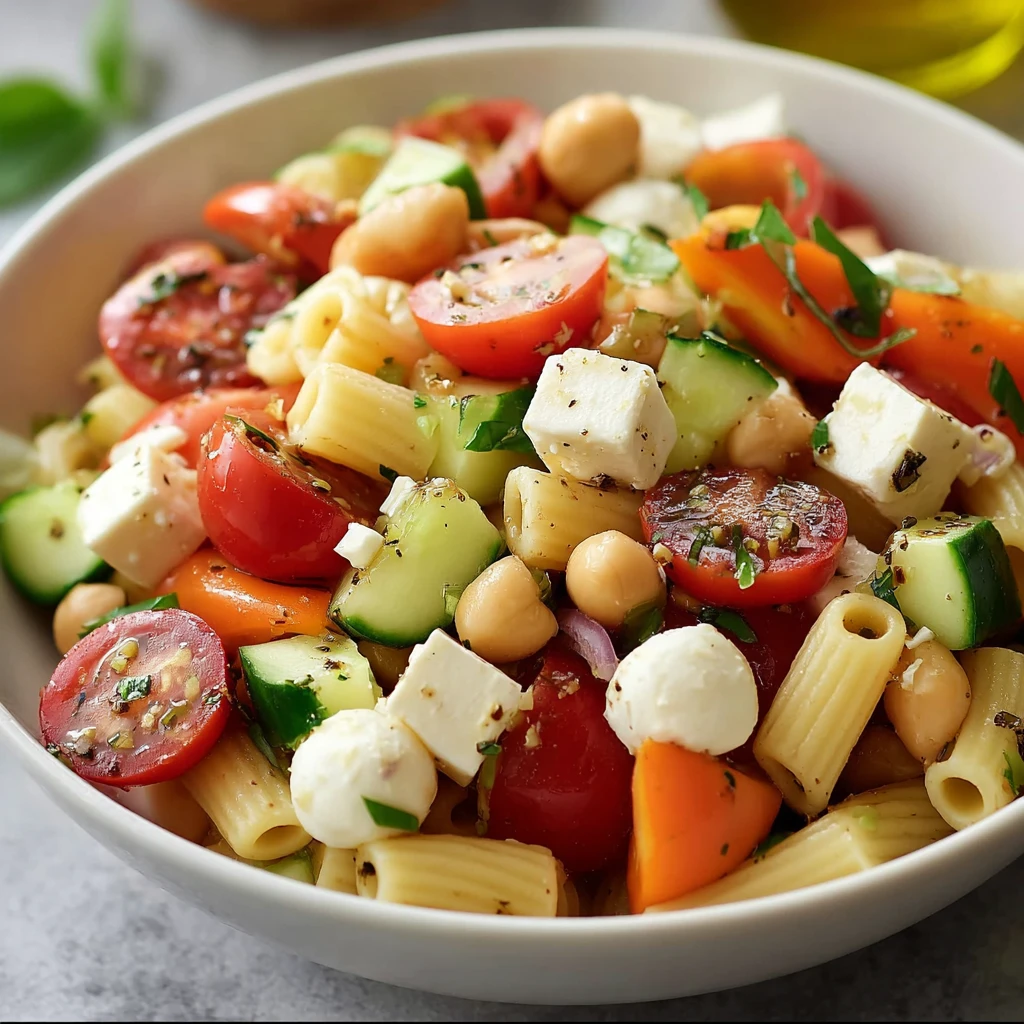
A delicious and nutritious Italian pasta salad packed with protein-rich ingredients such as whole wheat pasta, fresh vegetables, and a zesty Italian dressing. This high-protein salad is a versatile and satisfying meal option suitable for any occasion.
Ingredients
- Whole wheat pasta
- Cherry tomatoes
- Cucumber
- Bell peppers
- Red onion
- Chickpeas or grilled chicken
- Fresh basil
- Italian dressing
Directions
- Cook the whole wheat pasta according to package instructions until al dente.
- Chop the cherry tomatoes, cucumber, bell peppers, and red onion into bite-sized pieces.
- In a large bowl, combine the cooked pasta, chopped vegetables, chickpeas or grilled chicken, and fresh basil.
- Drizzle the Italian dressing over the salad and toss gently to coat all the ingredients evenly.
- Chill the pasta salad in the refrigerator for at least 30 minutes to allow the flavors to meld together.
- Serve the Italian Pasta Salad High Protein chilled and garnish with additional basil leaves if desired.