Table of Contents
How to Make a Flavorful Salmon Rice Bowl
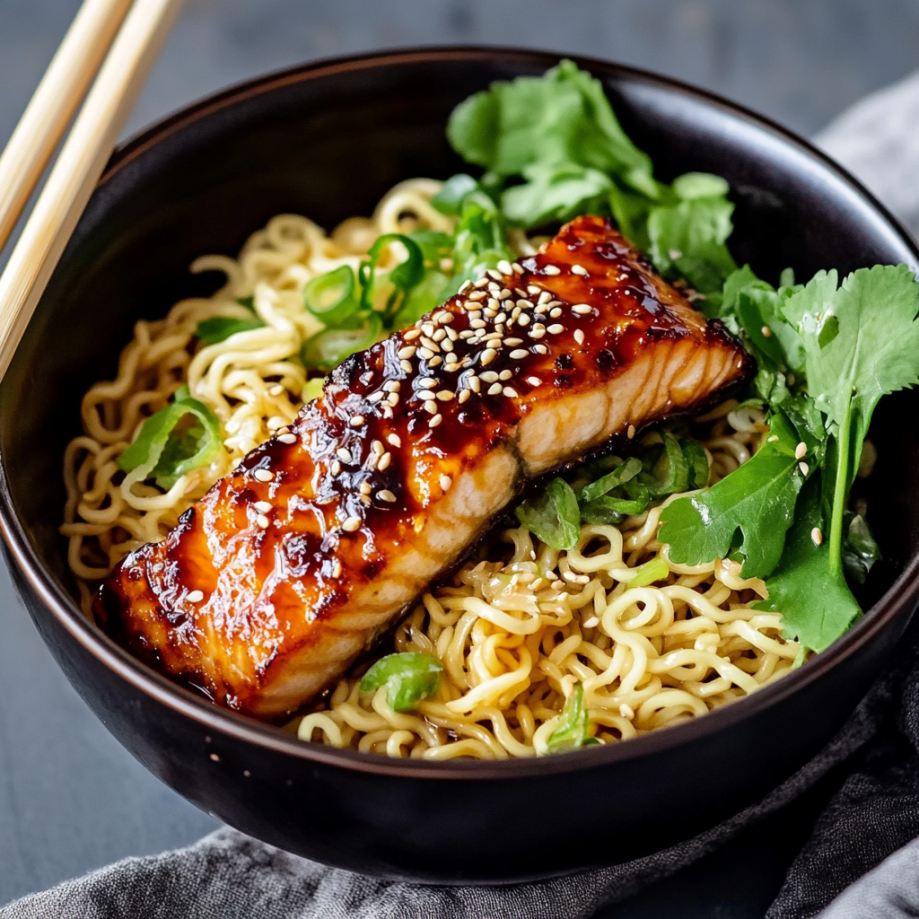
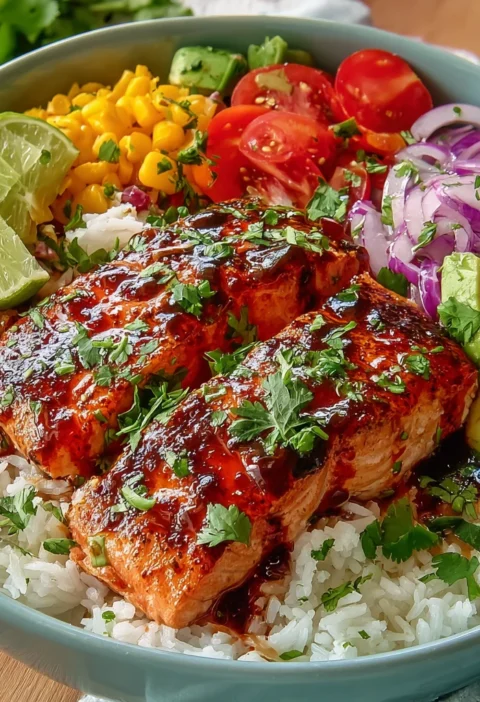
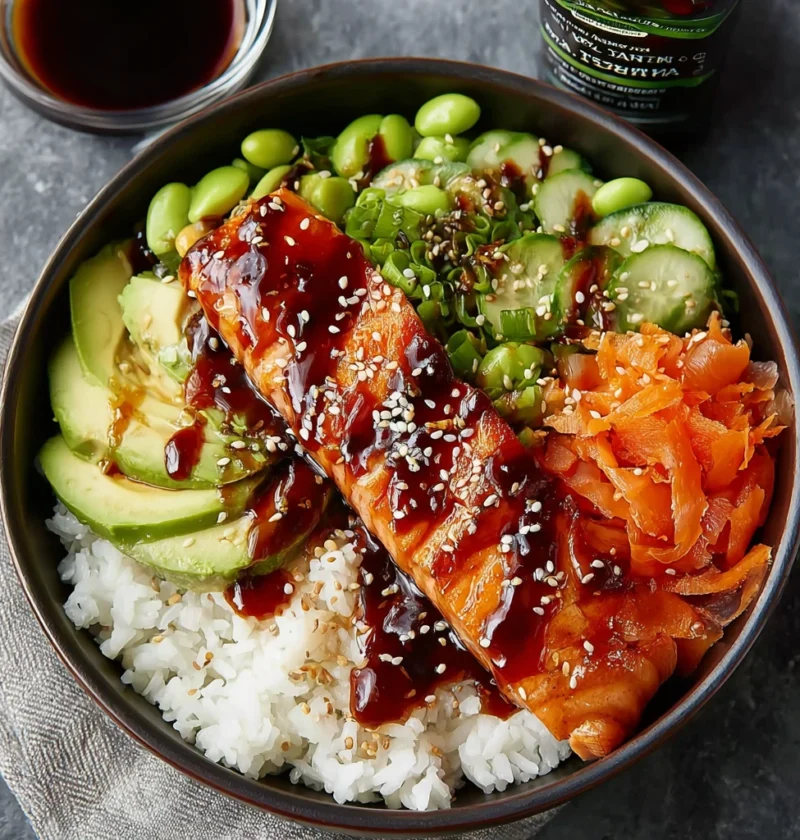
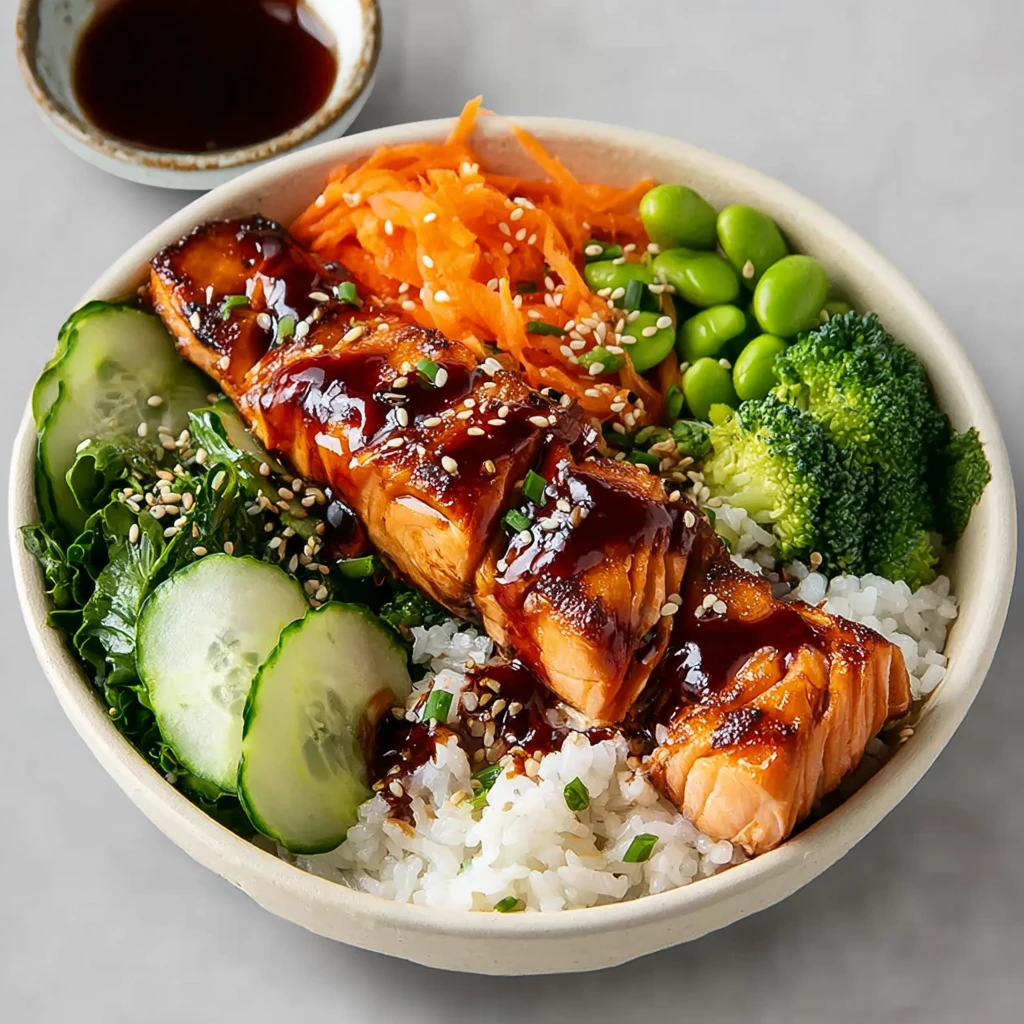
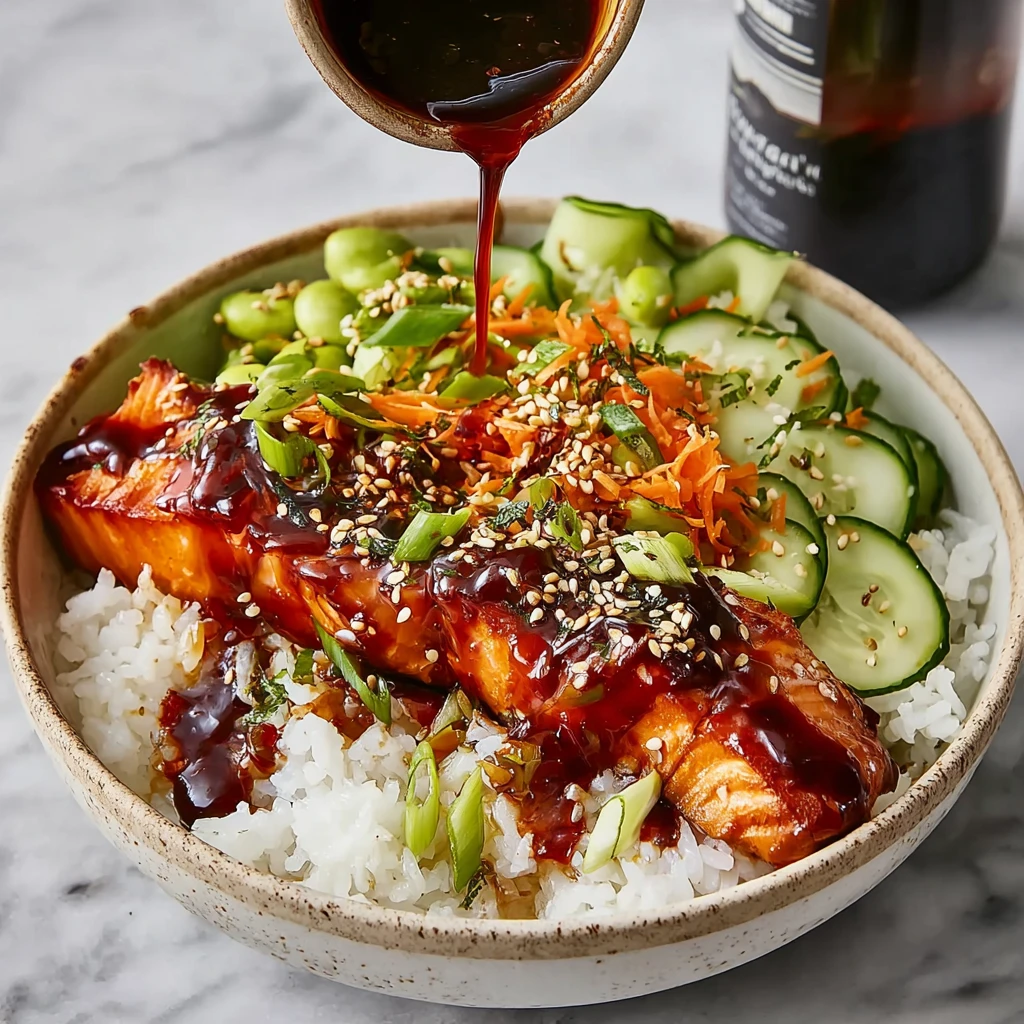
Close your eyes for a second. Imagine the sound of a salmon fillet hitting a hot skillet—that satisfying sizzle as it hits the pan, releasing a fragrant cloud of garlic, ginger, and toasted sesame oil. Picture tender, flaky salmon glazed in a glossy, sweet-savory teriyaki sauce, resting atop a bed of perfectly steamed jasmine rice, surrounded by crisp-tempura broccoli, shredded carrots, and a sprinkle of scallions. Now, take a bite. The salmon melts on your tongue, the rice soaks up every drop of sauce, and the veggies add a refreshing crunch. It’s not just dinner—it’s a moment of pure, uncomplicated joy. That’s the magic of a well-made salmon rice bowl.
If you’ve been scrolling through food blogs or TikTok lately, you’ve seen these bowls everywhere—and for good reason. They’re the ultimate balance of healthy, hearty, and deeply flavorful. Whether you’re meal-prepping for the week, need a fast yet fancy-feeling dinner, or simply crave something that makes you feel good inside and out, this recipe delivers. It’s inspired by the warm, approachable styles of Cafe Delites, Modern Honey, and Salt & Lavender, but with my own twist: a focus on simplicity without sacrificing depth. No fancy techniques, no hard-to-find ingredients—just real food that tastes like it came from a restaurant you love.
This isn’t another generic “healthy bowl” post. I’ve tested this recipe dozens of times to nail the sauce-to-salmon ratio, the perfect rice texture, and the veggie crispness that makes every bite exciting. It’s designed for real life: ready in under 30 minutes, packed with protein, and endlessly adaptable. So grab your apron, turn on some music, and let’s make something delicious together. Trust me—once you try this, it’ll become your go-to for busy nights, lazy weekends, or whenever you need a hug in a bowl.
Why You’ll Love This Recipe
This salmon rice bowl isn’t just another dinner option—it’s a total game-changer for your weekly rotation. Here’s why it deserves a permanent spot in your recipe arsenal:
- It’s ready faster than takeout: From start to plate in 25 minutes. Seriously—while your rice cooks, you’ll sear the salmon and whip up the sauce. No more 6 p.m. panic orders.
- High-protein and deeply satisfying: Each bowl delivers over 35g of protein to keep you full and energized (no 3 p.m. slump here!). Pair it with the fiber-rich veggies, and you’ve got a meal that truly fuels your body.
- Bursts with umami goodness: That teriyaki-glazed salmon? It’s sweet, savory, slightly tangy, and packed with depth from fresh ginger and garlic. It’s comfort food that actually feels good to eat.
- Incredibly flexible: Swap ingredients based on what’s in your fridge, make it spicy or mild, or turn it vegetarian in minutes. It’s a template, not a rigid rule.
- Meal-prep perfection: Components store beautifully separately. Make a big batch of rice and sauce on Sunday, and you’ve got lunches sorted for days.
- Kid-approved (even the picky ones): My niece, who usually pushes salmon around her plate, asks for this by name. The sweet-savory sauce is a universal winner.
- Feels indulgent without the guilt: Rich flavors, wholesome ingredients—you get the pleasure of a restaurant meal without the heaviness or regret.
If you love easy salmon recipes, healthy dinner ideas, or bowls that make healthy eating feel like a treat, this is your new favorite. It’s the kind of dish that makes you think, “Why did I ever overcomplicate weeknight cooking?”
Ingredients: Simple, Fresh, and Full of Flavor
The beauty of this recipe lies in its accessibility. You likely have most of these staples already—no specialty grocers required. I’ve organized everything in a clear table for easy shopping, with friendly notes to guide your choices. Remember: quality ingredients elevate the dish, but don’t stress if you need to substitute (see Variations below for ideas!).
| Ingredient | Amount | Friendly Notes & Substitutions |
|---|---|---|
| Salmon fillets | 2 (6-oz) portions | Wild-caught preferred for flavor and sustainability, but farmed works too. Skin-on for crispiness! |
| Jasmine rice | 1 cup (uncooked) | Rinse until water runs clear—this removes excess starch for fluffier rice. Substitute brown rice or quinoa (add 5 mins cook time). |
| Broccoli florets | 2 cups | Cut into small, even pieces for quick steaming. Frozen works—thaw and pat dry first. |
| Carrots | 1 medium | Julienned or grated for texture. Substitute snap peas, bell peppers, or shredded cabbage. |
| Green onions | 2 stalks | White and light green parts for cooking, dark green tops for garnish. Chives work in a pinch. |
| Garlic | 2 cloves | Minced fresh—never substitute powder here; it’s key for the sauce’s aroma. |
| Fresh ginger | 1 tsp grated | Peel with a spoon for ease. No fresh? Use ½ tsp ground ginger in a pinch (but fresh is best!). |
| Soy sauce | ¼ cup | Use low-sodium to control salt. For gluten-free, swap with tamari or coconut aminos. |
| Honey or maple syrup | 2 tbsp | Honey gives a floral note; maple adds earthiness. Agave works too. |
| Rice vinegar | 1 tbsp | Adds brightness—don’t skip! Substitute apple cider vinegar if needed. |
| Sesame oil | 1 tsp | Toasted sesame oil is non-negotiable for that nutty aroma. Regular oil won’t cut it here. |
| Cornstarch | 1 tsp | Mixed with 1 tbsp water to thicken the sauce. Arrowroot or potato starch work as subs. |
| Sesame seeds | 1 tbsp | Toasted for extra nuttiness. Black sesame looks stunning! |
| Optional heat | ½ tsp sriracha | Add to sauce for kick, or serve on the side for customizable spice. |
Note: This recipe makes 2 generous bowls. Easily double or triple for meal prep—just use a larger pan or cook in batches to avoid steaming the salmon.
Step-by-Step Instructions
Let’s break this down into simple, stress-free steps. I’ve included a pro tip with each one—these are the little tricks I learned from testing that make the difference between “good” and “I need to make this again tonight.” Read through all steps first, then get cooking!
Prep Time: 10 minutes | Cook Time: 15 minutes | Total Time: 25 minutes | Servings: 2
Prep the rice and veggies. Rinse 1 cup jasmine rice under cold water until it runs clear (about 30 seconds). Combine rice and 1¾ cups water in a medium pot. Bring to a boil, then reduce heat to low, cover, and simmer for 12 minutes. Remove from heat and let sit, covered, for 5 minutes. While rice cooks, cut broccoli into small florets and julienne the carrot.
→ Pro Tip: Rinsing rice is non-negotiable for separate grains. Skipping this step = gummy rice that turns your bowl into a sad mush.
Make the teriyaki sauce. In a small bowl, whisk together soy sauce, honey, rice vinegar, minced garlic, grated ginger, sesame oil, and cornstarch slurry (cornstarch + water). Set aside.
→ Pro Tip: Whisking the cornstarch with cold water first prevents lumps. Your sauce should be smooth as silk—no gritty bits!
Season and sear the salmon. Pat salmon fillets very dry with paper towels (this is key for a good sear!). Season lightly with salt and pepper. Heat 1 tsp oil in a non-stick skillet over medium-high heat. Add salmon, skin-side down if using, and cook 4-5 minutes without moving it until golden and crispy underneath. Flip and cook another 3-4 minutes for medium doneness (or until it flakes easily with a fork). Transfer to a plate and cover loosely with foil.
→ Pro Tip: Dry salmon = crispy skin. Wet salmon = steamed, pale disappointment. Also, resist the urge to peek—let that crust form!
Cook the veggies. In the same skillet (don’t wash it—those browned bits = flavor!), add a splash more oil if needed. Toss in broccoli and carrots. Stir-fry 4-5 minutes until tender-crisp and bright green. Remove from heat.
→ Pro Tip: Crowding the pan steams veggies instead of searing them. Cook in batches if your skillet is small—crisp-tender > soggy.
Glaze the salmon. Reduce heat to medium. Pour the teriyaki sauce into the skillet (it will sizzle!). Stir constantly for 1-2 minutes until it thickens into a glossy, coating consistency. Return salmon to the pan and spoon sauce over it to reheat and coat evenly—about 1 minute per side.
→ Pro Tip: Sauce thickens fast! Keep stirring and pull it off the heat the second it coats the back of a spoon. Overcooked sauce = sticky glue, not luscious glaze.
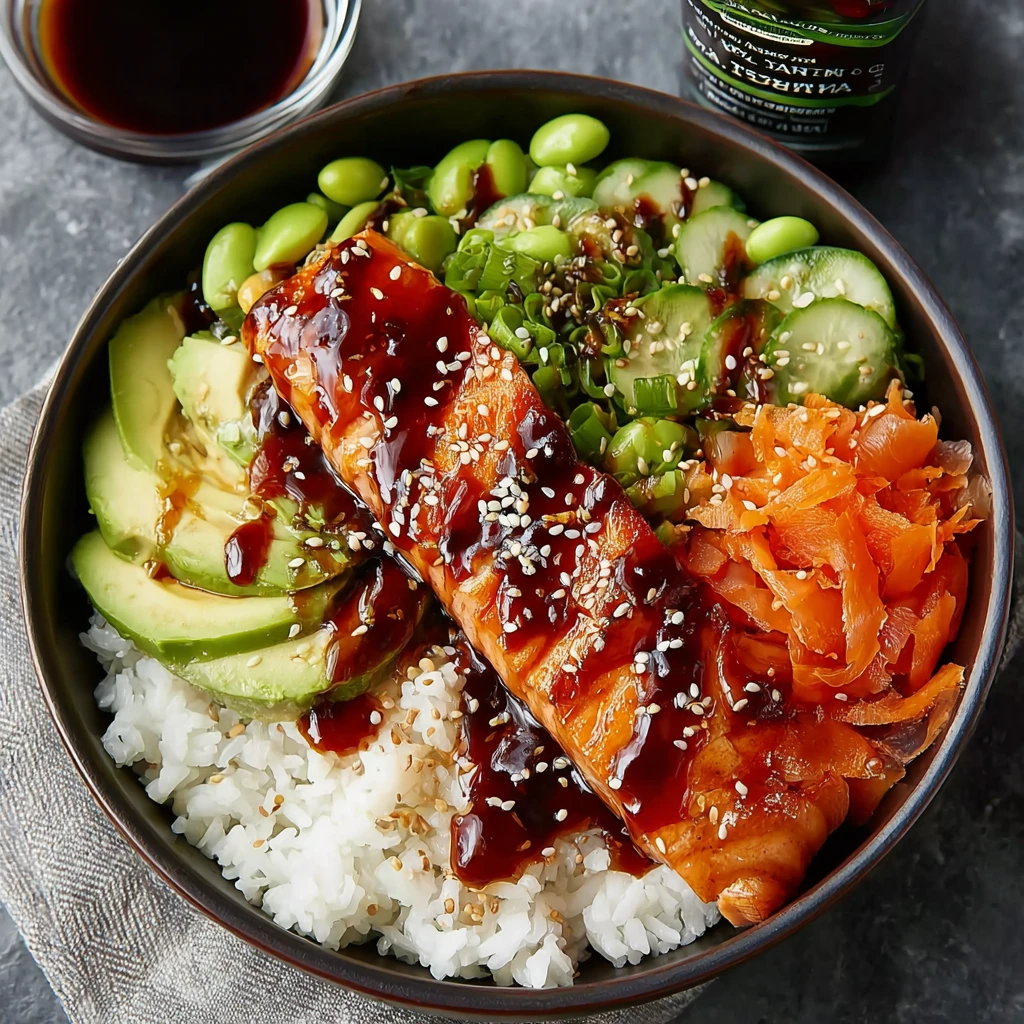
Assemble your bowls. Fluff the rice with a fork and divide between two bowls. Top with veggies, then salmon. Drizzle generously with any remaining sauce from the pan. Sprinkle with sesame seeds, sliced green onion tops, and a few extra red pepper flakes if you like heat.
→ Pro Tip: Layering matters! Rice first creates a sturdy base so sauce doesn’t pool at the bottom. Veggies next add texture, then salmon as the star.
Serve immediately and enjoy! Break the salmon apart as you eat so every bite gets rice, veggies, sauce, and that perfect flaky fish. Pair with a simple cucumber salad or miso soup if you’re feeling fancy.
Tips for Success: Elevate Your Bowl from Good to Unforgettable
Even simple recipes benefit from a few insider tricks. These are the techniques I swear by—learned from burned sauces, soggy rice, and one too many overcooked salmon fillets. Apply these, and your bowl will taste like it came from a Tokyo alleyway stall (in the best way).
- Dry your salmon thoroughly: Moisture is the enemy of sear. After patting dry, let it sit uncovered in the fridge for 10 minutes if time allows—this dries the surface even more for maximum crispiness.
- Rice texture is everything: If your rice feels slightly underdone after resting, that’s perfect! It’ll finish steaming gently under the hot toppings. Overcooked rice turns to paste under sauce.
- Don’t skip the resting step for rice: Letting it sit off-heat, covered, allows moisture to redistribute evenly. Rushing this = uneven texture.
- Sauce thickness test: Dip a cool spoon into the sauce—it should coat the back thickly enough that you can draw a clear line with your finger. If it’s too thin, simmer 30 seconds longer; too thick, add a teaspoon of water.
- Veggie crispness is key: Aim for “tender-crisp”—they should still have a slight bite. Overcooked broccoli turns sulfurous and dulls the bright flavors.
- Salmon doneness guide: For medium (my preference), cook to 125°F internal temp. It will carryover cook to 130°F. Well-done salmon (140°F+) is dry and chalky—we want it juicy and tender!
- Make sauce ahead: Whisk the teriyaki (minus cornstarch slurry) up to 3 days ahead. Store in a jar in the fridge. When ready to cook, whisk in the slurry and proceed.
- Boost the umami: Add 1 tsp miso paste to the sauce for deeper, savory complexity—it blends seamlessly with the ginger and garlic.
- Finish with acid: A tiny squeeze of lime or rice vinegar over the finished bowl brightens everything up. Don’t underestimate this final touch!
- Warm your bowls: Rinse serving bowls with hot water before assembling. Cold bowls steal heat from your food faster than you think.
Variations & Substitutions: Make It Yours
This recipe is a canvas—here’s how to adapt it for different cravings, diets, or what’s lurking in your fridge. All swaps keep the core technique intact, so you’ll still get that amazing sauce and tender salmon (or substitute!).
Vegetarian/Vegan Twist
- Swap salmon for:
- Crispy tofu: Press and cube extra-firm tofu, toss in 1 tbsp cornstarch, and pan-fry until golden. Add to skillet during step 4 (veggie step) to heat through.
- Shiitake mushrooms: Slice thickly and sauté with veggies for meaty umami.
- Tempeh: Steam for 10 minutes first to reduce bitterness, then pan-fry until crisp.
- Adjust sauce: Use maple syrup (not honey) for vegan, and double-check your soy sauce is vegan-friendly (most are, but some use fish derivatives in processing—look for “vegan” label).
- Boost protein: Add ½ cup shelled edamame with the veggies.
Low-Carb or Keto-Friendly
- Swap rice for:
- Cauliflower rice: Sauté 4 cups riced cauliflower with 1 tsp oil and pinch of salt for 5-7 minutes until tender (don’t overcook—it gets mushy!).
- Shirataki rice: Rinse thoroughly, boil 2 minutes, then dry-fry in pan to remove moisture.
- Nothing! Double the veggies and salmon for a protein-packed “bowl” without grains.
- Adjust sauce: Ensure your honey/maple is sugar-free (use monk fruit or allulose blend) or reduce to 1 tbsp and add 1 tsp stevia for sweetness.
Spicy Kick Lovers
- In the sauce: Add 1 tsp sriracha or ½ tsp gochujang (Korean chili paste) with the soy sauce. For fermented heat, try 1 tsp sambal oelek.
- As a finish: Drizzle with chili oil or sprinkle with toasted chili flakes (like gochugaru) over the assembled bowl.
- Pro tip: Serve extra sriracha on the side—heat preference is personal!
Bright & Herby Variation
- Swap teriyaki for:
- Lemon-herb sauce: Whisk ¼ cup olive oil, juice of 1 lemon, 2 tbsp chopped parsley, 1 tbsp capers, 1 tsp Dijon, 1 garlic clove (minced), and salt/pepper. Pour over cooked salmon and veggies.
- Pesto drizzle: Use 2 tbsp basil pisto (store-bought or homemade) swirled over the top.
- Adjust veggies: Use asparagus, zucchini, or cherry tomatoes instead of broccoli/carrot for a spring/summer feel.
Gluten-Free Made Easy
- Swap soy sauce for: Tamari (gluten-free soy sauce alternative) or coconut aminos (soy-free, slightly sweeter—reduce honey by 1 tsp if using).
- Double-check: Ensure your rice vinegar and sesame oil are certified gluten-free (most are, but cross-contamination can occur in facilities).
What to Serve With It: Build Your Perfect Meal Experience
This bowl is a star on its own, but pairing it thoughtfully turns dinner into an event. Whether you’re flying solo, feeding family, or hosting friends, these sides elevate the experience without stealing the spotlight. Think of them as the supporting cast to your salmon’s lead role.
Fresh & Crunchy Sides (Balance the Richness)
- Simple cucumber salad: Thinly slice cucumber, toss with rice vinegar, 1 tsp sugar, pinch of salt, and sesame seeds. Ready in 5 minutes—adds cooling crunch.
- Edamame: Steam frozen pods, sprinkle with flaky sea salt. Fun to eat and packs extra protein/fiber.
- Seaweed salad: Buy pre-made or rehydrate dried wakame with rice vinegar, sesame oil, and a touch of honey. Briny and refreshing.
- Pickled radish or carrots: Quick-pickle thin slices in ¼ cup rice vinegar, 1 tbsp sugar, ½ tsp salt for 20 minutes. Adds tangy brightness.
Comforting Warm Sides (For Cozy Nights)
- Miso soup: Whisk 2 tbsp miso paste into 2 cups hot dashi (or water + 1 tsp soy sauce + pinch of dashi powder). Add tofu cubes and scallions. Soul-warming in 5 minutes.
- Steamed bok choy: Halve baby bok choy, steam 4 minutes, drizzle with sesame oil and squeeze of lemon.
- Warm quinoa salad: Mix cooked quinoa with chopped parsley, lemon zest, and olive oil—heartier than rice but still light.
Drink Pairings (Non-Alcoholic & Alcoholic)
- Non-alc: Sparkling water with lime and mint; unsweetened iced green tea; or a ginger-turmeric tonic (simmer fresh ginger/turmeric in water, strain, chill).
- Alc: A crisp Japanese lager (like Asahi Super Dry), a light Pinot Grigio, or a dry Riesling. The acidity cuts through the richness beautifully.
Simple Dessert Ideas (Keep It Light)
- Mango sticky rice bites: Use leftover rice! Mix ¼ cup cooked rice with 1 tbsp coconut milk and 1 tsp sugar. Top with mango slices.
- Green tea ice cream: A scoop of high-quality matcha ice cream is the perfect cool finish.
- Fresh fruit platter: Berries, kiwi, and orange segments—nature’s candy.
My personal favorite combo for a solo night in: Bowl + miso soup + sparkling lime water + two squares of dark chocolate. It feels luxurious but takes zero effort.
Storage & Reheating: Keep It Fresh All Week Long
This recipe is a meal-prep MVP—but only if you store it smartly. Sauce sogginess is the #1 enemy of pre-made bowls (nobody wants sad, limp rice). Follow these steps, and your components will stay vibrant and delicious for 3-4 days.
How to Store
- Separate is key: Cool rice, salmon, and veggies completely before storing. Place each in its own airtight container.
- Rice: Store in a container lined with a paper towel to absorb excess moisture (change towel if damp).
- Salmon: Place in a container with a lid—no need for extra liquid.
- Veggies: Store dry; moisture makes them limp.
- Sauce storage: Keep teriyaki sauce in a small jar or container. It thickens when chilled—just warm slightly before using.
- Garnishes: Store sesame seeds and green onions separately in tiny containers (they lose crunch if mixed in early).
How to Reheat (Without Ruining It)
- Microwave method (fastest):
- Place rice in microwave-safe bowl, sprinkle with 1 tsp water, cover loosely with damp paper towel. Heat 60-90 seconds.
- While rice heats, place salmon and veggies on a plate. Cover salmon with damp paper towel (prevents drying), veggies uncovered. Heat 45-60 seconds.
- Assemble bowl, drizzle with warmed sauce, add fresh garnishes.
- Stovetop method (best texture):
- Warm rice in a skillet over medium-low with 1 tsp water, covered, 3-4 minutes.
- In another skillet, reheat salmon skin-side down 2 minutes, flip, heat 1 more minute. Veggies need just 60 seconds in a dry skillet.
- Assemble as above.
- Oven method (for crowds):
- Spread rice in baking dish, sprinkle with water, cover with foil. Bake at 300°F for 15-20 mins.
- Place salmon and veggies on foil-lined sheet, cover loosely with foil. Bake 10-12 mins.
- Assemble and sauce.
Freezing Guidelines
- Freeze components separately: Rice and salmon freeze exceptionally well (up to 2 months). Veggies lose texture—best to freeze only if using sturdy ones like broccoli (carrots get mushy).
- Thaw overnight in fridge, then reheat as above. Sauce freezes fine—thaw and warm gently.
- Never freeze assembled bowls: The rice turns to pudding, and veggies become waterlogged. Trust me—I’ve learned this the hard way!
Pro Freshness Hacks
- Revive limp rice: Sprinkle with 1-2 tsp water, cover, microwave 30 seconds. Steam rescues it!
- Crisp up soggy salmon: Broil skin-side up for 1-2 minutes to restore crunch (watch closely—it burns fast).
- Sauce too thick after chilling: Warm 10 seconds in microwave, whisk in ½ tsp water or rice vinegar.
- Add freshness before eating: A handful of raw baby spinach or arugula tossed in at the end adds brightness and nutrients.
Nutrition Facts: Fuel Your Body Right
This bowl isn’t just tasty—it’s nutritionally balanced to keep you energized and satisfied. Values below are for one serving (half the recipe), assuming:
- Wild-caught salmon (6 oz)
- Jasmine rice (1 cup cooked)
- Broccoli & carrot as listed
- Standard teriyaki sauce (with honey)
- Garnishes (sesame seeds, green onions)
| Nutrient | Amount | % Daily Value* | Why It Matters |
|---|---|---|---|
| Calories | 420 | 21% | Perfect for a satisfying lunch or light dinner—adjust portions for your needs. |
| Protein | 38g | 76% | Builds muscle, keeps you full, and stabilizes blood sugar. Salmon is a complete protein! |
| Carbohydrates | 45g | 16% | Primarily from rice—choose brown rice for +4g fiber. |
| Fat | 12g | 15% | Mostly healthy omega-3s from salmon and monounsaturated fats from sesame oil. |
| Fiber | 5g | 18% | From veggies and rice—supports digestion and gut health. |
| Sugar | 14g | — | Naturally occurring from honey/veg; no refined sugar added. |
| Sodium | 680mg | 30% | From soy sauce—use low-sodium to reduce. Still reasonable for a flavorful meal. |
| Potassium | 980mg | 21% | Salmon and veggies are potassium powerhouses—great for blood pressure balance. |
| Vitamin D | 560 IU | 70% | Salmon is one of the best natural sources—crucial for immunity and bones. |
Based on a 2,000-calorie diet. Values are estimates; actual nutrition depends on specific ingredients used.
Dietary Notes:
- ✅ High-protein: Ideal for post-workout recovery or maintaining muscle mass.
- ✅ Gluten-free option: Easily made with tamari or coconut aminos (see Variations).
- ✅ Dairy-free: Naturally free of lactose—perfect for sensitivities.
- ⚠️ Watch sodium: If you’re salt-sensitive, use low-sodium soy sauce and taste sauce before adding extra salt.
- 💡 Boost fiber: Add ½ cup chickpeas or black beans with the veggies for +7g fiber per bowl.
Common Mistakes to Avoid (Learn from My Burned Pans!)
Even experienced cooks slip up—here are the pitfalls I see most often, plus how to dodge them. Avoid these, and your bowl will be consistently perfect.
Skipping the rice rinse: Unrinsed rice releases starch as it cooks, creating a gummy, sticky texture that turns your bowl into a paste. Fix: Rinse until water runs clear—it takes 30 seconds but makes all the difference.
Wet salmon before searing: Moisture creates steam, preventing that gorgeous crispy crust. You’ll get pale, steamed salmon instead of restaurant-worthy sear. Fix: Pat salmon very dry with paper towels—seriously, press firmly!
Overcrowding the pan: Trying to cook all salmon/veggies at once drops the pan temperature, steaming instead of searing. Results in bland, soggy food. Fix: Cook in batches if needed—give ingredients space to breathe.
Adding sauce too early: If you pour teriyaki onto raw salmon, it burns before the fish cooks through, leaving bitter bits. Fix: Always cook salmon first, then add sauce to glaze at the end.
Overcooking the salmon: Salmon goes from perfect to dry and chalky in seconds past medium. It keeps cooking off-heat! Fix: Remove from pan when it still looks slightly translucent in the center—it’ll finish perfectly.
Letting sauce sit too long: Cornstarch-thickened sauces continue to thicken off-heat. If you wait too long to assemble, it becomes gloopy. Fix: Sauce salmon immediately after thickening, then bowl right away.
Using old sesame oil: Sesame oil turns rancid fast (smells like crayons or paint). Rancid oil ruins the entire dish’s flavor. Fix: Sniff before using—fresh sesame oil smells nutty and toasty. Store in fridge after opening.
Skipping the resting rice: Cutting into rice immediately after cooking traps steam unevenly, leading to wet bottom/dry top. Fix: Always let it rest, covered, off-heat for 5-10 minutes. Fluff with fork only after resting.
Overloading the bowl: Piling toppings too high makes it hard to eat and causes ingredients to slide off. Fix: Aim for modest layers—you can always go back for seconds!
Forgetting to taste sauce: Soy sauce brands vary wildly in saltiness. Assuming it’s perfect leads to over- or under-salted bowls. Fix: Always whisk sauce ingredients together first, then taste and adjust before cooking.
FAQ: Your Burning Questions Answered
I’ve gathered the most common queries from recipe testers and readers—here are clear, practical answers to help you succeed every time.
Q: Can I use frozen salmon?
A: Absolutely! Thaw it overnight in the fridge, then pat extremely dry (frozen salmon often releases extra moisture). For a quicker thaw, seal it in a bag and submerge in cold water for 20-30 minutes, changing water halfway. Never thaw at room temperature—it’s unsafe. Pro tip: Frozen salmon is often flash-frozen at peak freshness, so it can be even better than “fresh” that’s been sitting in a case!
Q: My sauce is too thin/thick—how do I fix it?
A: Too thin? Simmer it uncovered for 30-60 seconds longer while stirring constantly—it thickens fast! Too thick? Whisk in ½ tsp warm water or rice vinegar at a time until it reaches a glossy, coating consistency (should slowly drip off a spoon). Remember: it thickens more as it cools slightly, so err on the side of slightly thinner.
Q: Is this recipe spicy?
A: As written, it’s mildly sweet and savory with zero heat—perfect for kids or spice-averse eaters. To add kick, mix ½ tsp sriracha or 1 tsp gochujang into the sauce, or serve with chili oil on the side. For serious heat, add ¼ tsp cayenne pepper to the sauce. Always start small—you can add more, but you can’t take it out!
Q: Can I make this entirely ahead for meal prep?
A: Yes—but store components separately (see Storage section for details). Assemble bowls fresh each day for best texture. If you must pre-assemble (e.g., for a work lunch), keep sauce in a tiny side container and add it just before eating. Never store assembled bowls with sauce mixed in—it makes rice mushy in hours.
Q: What if I don’t have rice vinegar?
A: Apple cider vinegar works in a pinch (use same amount), or try white wine vinegar + ¼ tsp sugar to mimic the mild sweetness. Lemon juice is too acidic—use only ½ tsp if desperate, but rice vinegar is worth keeping on hand for Asian-inspired dishes!
Q: How do I know when salmon is done without a thermometer?
A: Look for these signs:
- The flesh flakes easily when gently pressed with a fork (but still looks moist inside).
- The color transitions from translucent (raw) to opaque pink about ¾ of the way up the side.
- It springs back slightly when touched (like the fleshy part of your palm below your thumb).
When in doubt, undercook slightly—it carries over! Overcooked salmon is sad; slightly under is still delicious and safe.
Q: Can I make the sauce without cornstarch?
A: Yes! For a gluten-free or paleo option, simmer the sauce (soy sauce, honey, ginger, garlic, etc.) uncovered for 5-7 minutes until it reduces and thickens naturally. It won’t be quite as glossy, but it’ll still be delicious. Arrowroot or tapioca starch work as 1:1 subs for cornstarch too.
Q: Is this bowl kid-friendly?
A: Yes! My niece (age 5) calls it “salmon candy” because of the sweet-savory sauce. To make it even more appealing:
- Cut salmon into bite-sized cubes before cooking.
- Serve sauce on the side for dipping.
- Use mild veggies like sweet potato or corn instead of broccoli.
- Let kids assemble their own bowls—it increases excitement!
Q: How long does sauce last in the fridge?
A: Store in an airtight container for up to 2 weeks. Give it a shake or whisk before using—it may separate slightly. Freeze in ice cube trays for easy portions (thaw 1 cube at a time).
Conclusion: Your Turn to Shine
There you have it—your complete guide to making a flavorful, fuss-free salmon rice bowl that’s ready in under 30 minutes, packs a serious protein punch, and tastes like it came from your favorite takeout spot (but better, because you made it). This recipe is more than just instructions; it’s an invitation to slow down, savor the process, and treat yourself to a meal that nourishes both body and soul. Whether you’re cooking for one after a long day, prepping lunches for the week, or sharing a colorful bowl with friends over laughter, this dish delivers joy in every bite.
I’ve shared my tested tips, tricks, and variations not to box you in, but to give you confidence to make it yours. Swap in your favorite veggies, adjust the spice level to match your mood, or turn it into a weekend feast with extra sides—there’s no wrong way to enjoy it. The magic lies in the balance: tender salmon, fragrant sauce, crisp-tender veggies, and fluffy rice coming together in harmony.
Now, it’s your turn. Grab those ingredients, turn on some good music, and make this bowl tonight. Notice how the salmon sizzles, how the sauce glazes the fish to perfection, how the colors pop in your bowl. Then, take that first bite—and smile. That’s the flavor of a weeknight well-lived.
If you try this recipe, I’d love to hear how it turned out! Drop a comment below telling me what you tweaked (did you add extra garlic? go spicy with gochujang? use cauliflower rice?), or tag me in your photo on social media—I’m always inspired by your creations. And if this bowl became your new favorite, please share this post with a friend who needs an easy, delicious dinner idea. Sharing is how we grow this little corner of the internet into a place where everyone feels welcome to cook, eat, and enjoy.
Hungry for more? Try these next:
Happy cooking, friends. May your bowls be full, your salmon crispy, and your weeknights just a little bit brighter.
How to Make a Flavorful Salmon Rice Bowl Step-by-Step
A delicious Salmon Rice Bowl recipe that brings together perfectly cooked salmon with fluffy rice, seasoned with a harmonious blend of soy sauce, garlic, ginger, and green onions. This dish is a culinary symphony of textures and flavors that will elevate your dining experience.
Ingredients
- 2 fresh salmon fillets
- 1 cup rice (white or brown)
- 1/4 cup soy sauce
- 2 tbsp rice vinegar
- 1 tbsp sesame oil
- 2 cloves garlic, minced
- 1 tsp ginger, grated
- 2 green onions, chopped
Directions
- Cook rice according to package instructions.
- In a small bowl, mix soy sauce, rice vinegar, sesame oil, garlic, and ginger.
- Season salmon fillets with half of the sauce mixture.
- Pan-sear the salmon fillets until cooked to your liking.
- Fluff cooked rice and divide between two bowls.
- Place cooked salmon on top of the rice in each bowl.
- Drizzle remaining sauce over the salmon and rice.
- Garnish with chopped green onions.
- Serve hot and enjoy!