Table of Contents
Mediterranean Lemon Chicken Soup: 5 Comforting Secrets
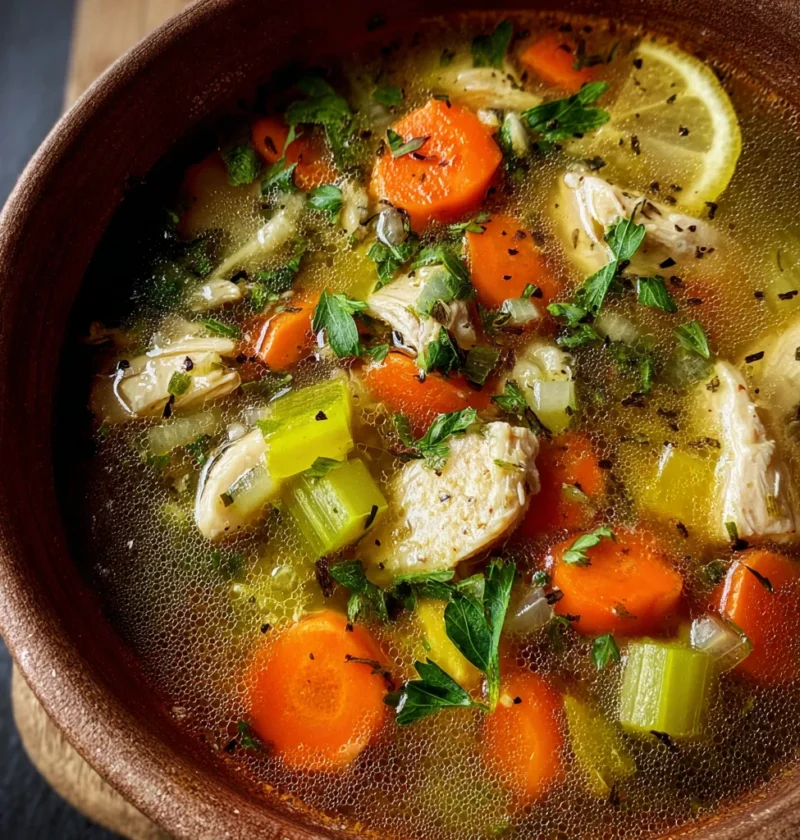
There’s a quiet magic that happens the moment a steaming bowl of Mediterranean lemon chicken soup reaches the table. The first inhale carries a bright citrus zing that lifts the savory steam, while the spoon glides through silky broth dotted with tender chicken, plump orzo, and a whisper of fresh dill. Each sip feels like a warm hug from the inside out—light enough to refresh, yet substantial enough to satisfy a hungry belly after a long day.
If you’ve ever craved a soup that feels both indulgent and wholesome, this recipe delivers on every front. It blends the classic Greek avgolemono technique (egg‑lemon emulsion) with Mediterranean staples—olive oil, garlic, herbs, and plenty of lemon—to create a dish that’s simultaneously comforting, bright, and deeply nourishing. The secret isn’t just in the ingredients; it’s in the way they’re handled. Below, we reveal five comforting secrets that transform a simple chicken soup into a bowl of pure, soul‑soothing goodness.
By the time you finish reading, you’ll have a complete, step‑by‑step guide, practical tips for success, ideas for customization, and all the nutrition facts you need to enjoy this soup with confidence. Whether you’re preparing a weeknight dinner, a weekend brunch, or a make‑ahead lunch for the workweek, this Mediterranean lemon chicken soup is sure to become a staple in your kitchen.
Why You’ll Love This Recipe
Before we dive into the secrets, here are the top reasons this soup earns a permanent spot in your meal rotation:
- It’s ready in under 30 minutes. From start to finish, you can have a steaming bowl on the table faster than most takeout orders, making it perfect for busy evenings.
- The flavor is bright and balanced. Lemon juice cuts through the richness of the chicken and broth, while fresh herbs add a garden‑fresh note that prevents the soup from feeling heavy.
- It’s adaptable to almost any diet. You can swap in gluten‑free orzo, use dairy‑free egg alternatives, or boost the protein with extra chicken or chickpeas without losing the signature taste.
- Each spoonful delivers comfort and nutrition. The soup provides lean protein, vitamin C from lemon, and antioxidants from garlic and herbs, supporting immunity and sustained energy.
- It stores and reheats beautifully. Leftovers taste just as good—if not better—the next day, making it an ideal meal‑prep candidate.
If you love soups that feel like a warm embrace but still leave you feeling light and refreshed, this Mediterranean lemon chicken soup will quickly become a go‑to.
The 5 Comforting Secrets
What separates an ordinary chicken soup from a truly comforting Mediterranean lemon chicken soup? It comes down to five simple, yet powerful, techniques that maximize flavor, texture, and that soul‑warming feeling. Each secret is backed by trusted recipes and culinary wisdom from top food sites.
Secret 1: Build a Flavor‑Rich Base with Aromatics and Olive Oil
The foundation of any great soup starts with aromatics sautéed in quality olive oil. In Mediterranean lemon chicken soup, a combination of finely diced onion (or shallot), minced garlic, and sometimes celery or carrot creates a savory backdrop that lets the lemon shine later.
- How to do it: Heat 2–3 tablespoons of extra‑virgin olive oil in a large Dutch oven or soup pot over medium heat. Add the onion and cook, stirring occasionally, until translucent (about 5 minutes). Stir in the garlic and cook for another minute—just until fragrant, not browned.
- Why it works: Olive oil carries fat‑soluble flavors from the garlic and onion, creating a richer mouthfeel without weighing down the broth. Sautéing gently prevents bitterness and builds depth that water‑based boiling alone can’t achieve.
Secret 2: Use the Avgolemono (Egg‑Lemon) Technique for Silkiness
The hallmark of Greek lemon chicken soup is its luxuriously creamy texture, achieved not with flour or cream, but by tempering egg yolks with hot broth and lemon juice. This creates a smooth emulsion that thickens the soup while keeping it light.
- How to do it: In a separate bowl, whisk together 3 large egg yolks (or whole eggs for a richer version) with the juice of 2 lemons until uniform and pale. Slowly ladle about 1 cup of hot broth from the pot into the egg‑lemon mixture, whisking constantly to temper the eggs and prevent curdling. Then, gently pour the tempered mixture back into the soup while stirring over low heat. Cook for 4–5 minutes—do not let the soup boil, or the eggs may scramble.
- Why it works: The egg‑lemon emulsion adds body and a velvety finish that feels indulgent yet remains light enough for a comforting meal. It also boosts the protein content without adding heaviness.
Secret 3: Choose the Right Starch for Body and Texture
Traditional avgolemono soup often uses rice, but many modern versions swap in orzo, couscous, or even cauliflower rice for a lighter bite. The starch not only thickens the soup slightly but also provides a satisfying chew that balances the broth’s silkiness.
- How to do it: Add ½ cup uncooked orzo (or 1 cup cauliflower rice, or ¼ cup rice) to the pot after the chicken has cooked through. Simmer until the starch is tender—about 8–10 minutes for orzo, 5 minutes for cauliflower rice, and 15–20 minutes for rice.
- Why it works: Orzo holds its shape well and absorbs just enough broth to give each spoonful a pleasant bite, while cauliflower rice offers a low‑carb, gluten‑free alternative that still contributes texture.
Secret 4: Finish with a Burst of Fresh Herbs and Lemon Zest
While lemon juice provides the soup’s signature tang, adding lemon zest and a handful of freshly chopped herbs at the end lifts the aroma and adds a layer of complexity that dried herbs simply can’t match. Dill, parsley, and a hint of mint are classic choices, but you can also experiment with thyme or oregano.
- How to doit: Once the soup is off the heat, stir in the zest of 1–2 lemons and ¼ cup each of chopped fresh dill and parsley (or your preferred herb blend). Taste and adjust with extra lemon juice, salt, or pepper if needed.
- Why it works: The volatile oils in fresh herbs and lemon zest are delicate; adding them at the end preserves their bright, aromatic profile, giving the soup a fresh, garden‑like finish that makes each bowl feel like a special treat.
Secret 5: Simmer Gently and Avoid Boiling After Adding the Egg‑Lemon Mixture
Even the best‑crafted soup can turn grainy or curdled if the heat is too high once the eggs are introduced. A gentle, low simmer is essential to keep the emulsion smooth and the chicken tender.
- How to do it: After returning the tempered egg‑lemon mixture to the pot, keep the heat on low. Warm the soup for just 4–5 minutes, stirring frequently, until it’s heated through and slightly thickened. Never let it reach a rolling boil after this point.
- Why it works: High heat causes the egg proteins to tighten and expel water, resulting in a scrambled‑egg texture rather than a silky soup. A low, steady temperature preserves the emulsion, giving the soup its signature luxurious mouthfeel.
These five secrets work together to create a soup that’s more than the sum of its parts—each step builds on the last to deliver a bowl that’s comforting, bright, and deeply satisfying.
Ingredients
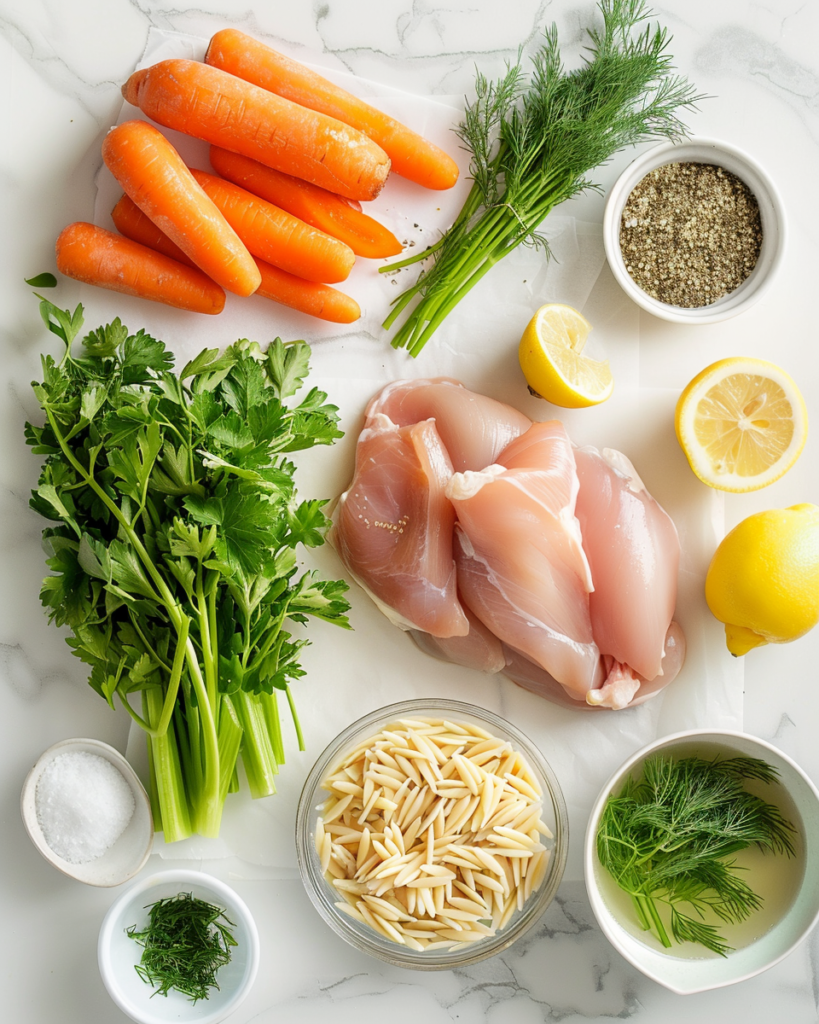
Below is a complete ingredient list for a classic Mediterranean lemon chicken soup that serves 6 (about 1 ½ cups per serving). Feel free to adjust quantities based on your preferred serving size or dietary needs.
Ingredient notes:
- Chicken: If using pre‑cooked or rotisserie chicken, add it in the last 5 minutes of simmering just to heat through—this keeps it tender and reduces overall cook time.
- Lemon: For the most vibrant flavor, juice the lemons just before using. The zest contains aromatic oils that are lost if prepared too far ahead.
- Broth: Homemade chicken broth elevates the soup, but a high‑quality store‑bought low‑sodium version works perfectly for a weeknight meal.
Step‑by‑Step Instructions
Follow these numbered steps to create a silky, lemon‑bright Mediterranean chicken soup every time. Each step includes a quick tip to help you avoid common pitfalls.
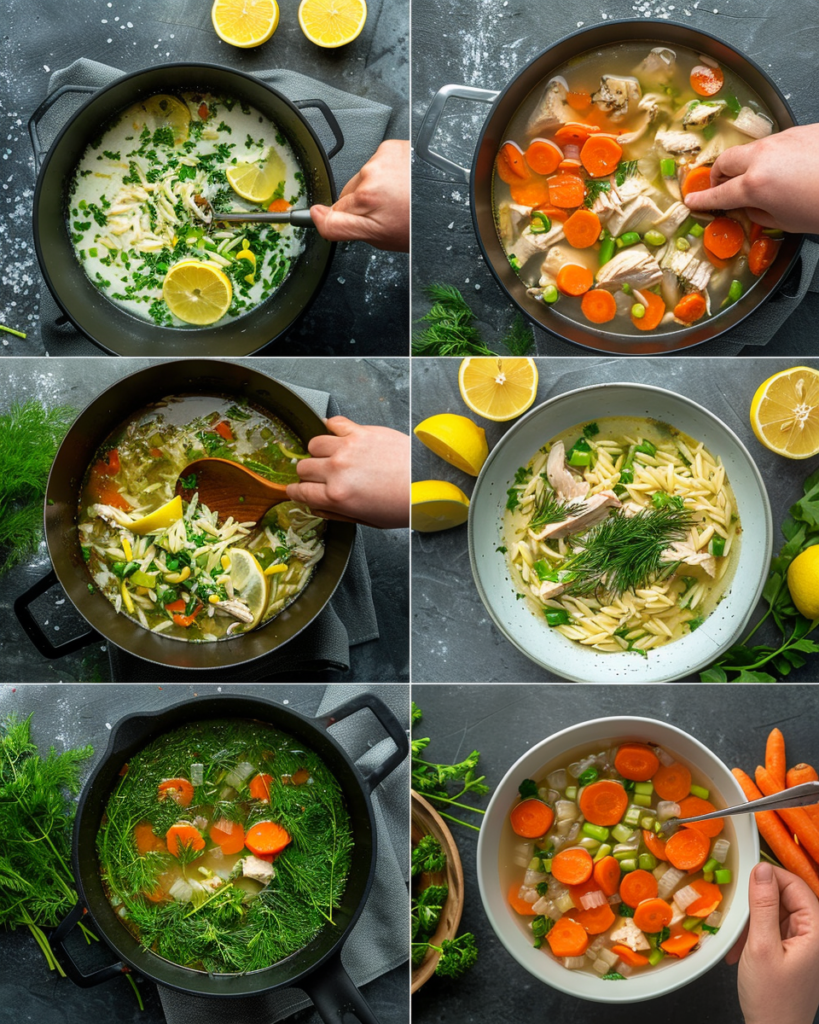
1. Sauté the aromatics
Heat the olive oil in a large Dutch oven or soup pot over medium heat. Add the diced onion (and carrot/celery if using) and cook, stirring occasionally, until the onion is translucent and beginning to soften, about 4‑5 minutes. Add the minced garlic and cook for another 30‑60 seconds, just until fragrant—do not let it brown.
Tip: If you notice the garlic starting to turn golden, lower the heat immediately; burnt garlic can impart a bitter note to the broth.
2. Add the chicken and season
Push the aromatics to the sides of the pot and add the chicken pieces. Sprinkle with half the salt and half the pepper. Cook, stirring occasionally, until the chicken is lightly golden on the outside (about 3‑4 minutes per side). It does not need to be cooked through at this point—it will finish in the broth.
Tip: Browning the chicken adds depth of flavor; however, avoid overcrowding the pot, which can cause steaming instead of searing.
3. Pour in the broth and bring to a simmer
Add the chicken broth to the pot, stirring to combine. Increase the heat to medium‑high and bring the mixture to a gentle boil. Once boiling, reduce the heat to medium‑low, cover partially (leave a small gap for steam to escape), and let the soup simmer for 15‑20 minutes, or until the chicken is cooked through and tender.
Tip: Check the chicken by cutting into the largest piece; it should be opaque throughout with no pinkness.
4. Cook the starch
While the soup simmers, add the uncooked orzo (or your chosen starch). Continue to simmer, uncovered, until the starch is tender—about 8‑10 minutes for orzo, 5 minutes for cauliflower rice, and 15‑20 minutes for rice.
Tip: Stir occasionally to prevent the orzo from sticking to the bottom of the pot.
5. Prepare the avgolemono (egg‑lemon) mixture
In a medium bowl, whisk together the egg yolks and the juice of 2 lemons until the mixture is uniform and pale in color. This step is crucial for creating a smooth emulsion later.
Tip: If you prefer a richer soup, you can use whole eggs instead of just yolks; the result will be slightly thicker and more custard‑like.
6. Temper the eggs
Slowly ladle about 1 cup of the hot broth from the pot into the egg‑lemon mixture, whisking constantly as you pour. This gradual warming prevents the eggs from scrambling when they hit the hot soup.
Tip: Use a measuring cup with a spout for better control, and keep the whisk moving the entire time.
7. Incorporate the tempered mixture back into the soup
Reduce the heat to low. Slowly pour the tempered egg‑lemon mixture into the pot while stirring the soup constantly with a wooden spoon or ladle. Keep the heat low and continue to stir for 4‑5 minutes, just until the soup thickens slightly and becomes glossy. Do not let the soup boil after this point.
Tip: If you see any signs of curdling (small egg bits forming), immediately lower the heat and whisk vigorously; the emulsion should come back together.
8. Finish with fresh herbs and lemon zest
Remove the pot from the heat. Stir in the zest of 1‑2 lemons and the chopped fresh dill and parsley. Taste the soup and adjust with additional salt, pepper, or lemon juice if needed.
Tip: The herbs and zest should be added at the very end to preserve their bright, aromatic qualities.
9. Serve immediately
Ladle the soup into bowls, garnish with an extra sprig of dill or a lemon slice if desired, and enjoy while hot. The soup is best served fresh, but it also stores beautifully for later meals.
Tip: A drizzle of extra‑virgin olive oil over each bowl just before serving adds a luxurious finish and helps the flavors meld.
Tips for Success
Even a straightforward soup can benefit from a few expert tricks. Keep these pointers in mind to ensure your Mediterranean lemon chicken soup turns out perfectly every time.
- Use quality olive oil. Since it’s the foundation of the flavor base, choose an oil you enjoy drizzling on salads or dipping bread into.
- Don’t rush the aromatics. Sautéing the onion and garlic slowly builds a sweet, savory backdrop that prevents the soup from tasting one‑dimensional.
- Pat the chicken dry (if using raw). Moisture on the surface inhibits browning; a quick pat with a paper towel ensures a better sear.
- Cut chicken into uniform pieces. This promotes even cooking and prevents some pieces from being overdone while others stay pink.
- Keep the heat low after adding the egg‑lemon mixture. A gentle simmer preserves the silky emulsion; boiling will cause the eggs to scramble.
- Taste and adjust at the end. Lemon intensity varies by fruit; finish with a splash of juice, a pinch of salt, or extra herbs to hit your preferred balance.
- Store the soup properly. Cool to room temperature within 2 hours, then transfer to an airtight container and refrigerate for up to 4 days.
- Reheat gently. Warm the soup over low‑medium heat, stirring occasionally, to prevent the egg‑lemon emulsion from breaking.
- Freeze the base (without eggs). If you want to freeze for longer storage, cook the soup up to the point before adding the egg‑lemon mixture, cool, and freeze for up to 2 months. Thaw, then finish with fresh eggs and lemon when ready to serve.
- Make it a meal. For a heartier version, add a handful of baby spinach or kale in the last 2 minutes of cooking, or serve with a slice of crusty whole‑grain bread on the side.
Variations & Substitutions
One of the joys of this soup is how easily it adapts to different tastes, dietary needs, or what you have on hand. Below are tested ways to tweak the recipe while preserving its comforting essence.
Protein swaps
- Turkey – Use diced turkey breast or thigh meat; follow the same cooking times as chicken.
- Shrimp – Add peeled, deveined shrimp in the last 3‑4 minutes of simmering; they cook quickly and stay tender.
- Plant‑based – Substitute the chicken with 1 lb of firm tofu, pressed and cubed, or a plant‑based chicken alternative; brown the tofu first, then proceed with the broth.
- Beans – For a vegetarian, protein‑packed version, add 1 ½ cups cooked chickpeas or white beans in the last 5 minutes of simmering.
Starch alternatives
- Rice – Use ¼ cup uncooked long‑grain or basmati rice; increase simmering time to 15‑20 minutes.
- Couscous – Stir in ½ cup quick‑cooking couscous off the heat; cover and let sit for 5 minutes before adding the egg‑lemon mixture.
- Gluten‑free pasta – Choose a small gluten‑free shape (like gluten‑free orzo or rice‑based pasta) and follow package timing.
- No starch – For a lighter soup, omit the starch entirely; the egg‑lemon emulsion will still give a pleasant body.
Dairy‑free / egg‑free avgolemono
- Cashew cream – Blend ½ cup raw cashews with ½ cup water until smooth; whisk in the lemon juice and temper with hot broth as described.
- Silken tofu – Blend ½ cup silken tofu with lemon juice until creamy; temper and add as above for a vegan, protein‑rich version.
- Cornstarch slurry – For a thickener that isn’t egg‑based, mix 1 tablespoon cornstarch with 2 tablespoons cold water, whisk into the hot broth, and simmer 2‑3 minutes before finishing with lemon juice and herbs.
Flavor boosters
- Turmeric – Add ½ teaspoon ground turmeric with the aromatics for a warm, earthy note and a gorgeous golden hue.
- Coriander – ½ teaspoon ground coriander adds a citrus‑spicy depth that pairs well with lemon.
- Aleppo pepper – ½ teaspoon provides a mild, fruity heat; substitute with a pinch of smoked paprika if needed.
- White wine – Deglaze the pot with ¼ cup dry white wine after sautéing the aromatics, letting it reduce by half before adding broth.
- Greens – Stir in 2 cups baby spinach, chopped kale, or Swiss chard in the last 2 minutes of cooking for extra nutrients and color.
Lemon adjustments
- Lemon concentrate – If fresh lemons aren’t available, use 2 tablespoons high‑quality lemon juice and ½ teaspoon lemon zest (from dried zest) as a substitute, though fresh is always best.
- Lemon zest only – For a subtler citrus note, use just the zest and a splash of white wine vinegar to mimic acidity.
What to Serve With It
Mediterranean lemon chicken soup is satisfying on its own, but pairing it with simple sides, drinks, or a light dessert can turn a bowl into a well‑rounded meal. The goal is to complement—not overwhelm—the bright, savory flavors.
Best side dishes
- Crusty bread – A warm slice of sourdough, baguette, or whole‑grain bread is perfect for sopping up the silky broth.
- Grilled cheese sandwich – Choose a mild cheese like mozzarella or provolone for a comforting, melty contrast.
- Simple green salad – Toss mixed greens with a lemon‑olive oil vinaigrette; the acidity mirrors the soup’s lemon notes while adding crunch.
- Roasted vegetables – Broccoli florets, zucchini slices, or bell pepper strips roasted with olive oil, salt, and pepper add caramelized sweetness and texture.
- Hummus and pita – A dollop of classic hummus with warm pita wedges offers a Mediterranean‑themed accompaniment.
Drink pairings
- Iced herbal tea – Hibiscus, mint, or chamomile served over ice is refreshing and palate‑cleansing.
- Sparkling water with citrus – Add a slice of lemon, lime, or orange to sparkling water for a bubbly, zero‑calorie option.
- White wine – A crisp Pinot Grigio, Sauvignon Blanc, or dry rosé complements the herbal and tangy elements.
- Light lager or pilsner – A cold, crisp beer offers a pleasant contrast to the rich broth without overwhelming it.
- Mocktail – Mix equal parts cranberry juice and sparkling water, add a splash of lime juice, and garnish with a rosemary sprig for a festive sip.
If you’re serving this soup for a brunch or light dinner, consider setting out a small bowl of extra lemon wedges, fresh herbs, and a drizzle of olive oil so guests can customize their bowls to taste.
Storage & Reheating
Because this soup contains an egg‑lemon emulsion, proper storage and reheating are key to preserving its silky texture.
Refrigeration
- Let the soup cool to room temperature within 2 hours of cooking.
- Transfer to an airtight container and store in the refrigerator at or below 40 °F (4 °C).
- Consume within 4 days for optimal flavor and texture; the vegetables will stay tender, and the broth will remain clear.
Freezing (recommended base only)
- Do not freeze the finished soup with the egg‑lemon mixture, as thawing can cause the emulsion to separate and the texture to become grainy.
- Instead, freeze the soup base (broth, chicken, aromatics, and starch) after step 4 (before adding the egg‑lemon mixture). Cool completely, then store in a freezer‑safe bag or container for up to 2 months.
- To serve, thaw the base overnight in the refrigerator, reheat gently over low heat, then finish with freshly tempered egg‑lemon mixture and fresh herbs as described in steps 5‑8.
Reheating
- Stovetop – Place the desired portion in a saucepan over low‑medium heat. Stir frequently and heat until just steaming; do not let it boil after the egg‑lemon mixture is added.
- Microwave – Heat in 30‑second intervals, stirring between each, until warm. If the soup looks thick, stir in a splash of hot broth or water to loosen it.
- Avoid boiling – High heat after reheating can cause the eggs to scramble; a gentle approach preserves the velvety texture.
Nutrition Facts
Nutrition varies based on the specific brands of broth, chicken, and any optional add‑ins, as well as exact portion sizes. The table below provides an approximate breakdown per serving (based on 6 servings from the recipe as written), using low‑sodium chicken broth, breast meat, orzo, and the classic egg‑lemon emulsion.
| Nutrient | Approx. Amount per Serving |
|---|---|
| Calories | 280‑320 kcal |
| Protein | 18‑22 g |
| Carbohydrates | 22‑26 g |
| Fat | 12‑15 g |
| Saturated Fat | 2‑3 g |
| Fiber | 2‑3 g |
| Sugar | 4‑6 g (naturally occurring from vegetables and lemon) |
| Sodium | 480‑620 mg (varies with broth and added salt) |
How this supports your goals:
- The protein (18‑22 g per serving) helps meet daily protein needs, supports muscle maintenance, and promotes satiety, making the soup a satisfying main course or hearty starter.
- Healthy fats from olive oil and the egg yolks provide sustained energy and aid in the absorption of fat‑soluble vitamins like vitamin A from the carrots.
- Vitamin C from the lemon juice (about 15‑20 mg per serving) supports immune function and collagen synthesis, adding to the comforting feel‑good factor.
- Fiber from the orzo, vegetables, and any added greens aids digestion and helps regulate blood sugar levels.
If you wish to adjust the nutritional profile:
- Lower calories/fat – Use light chicken broth, reduce the olive oil to 1 tablespoon, and increase the proportion of vegetables.
- Higher protein – Increase the chicken to 1 ¼ lb or add an extra egg yolk to the emulsion.
- More fiber – Choose whole‑grain orzo, add a handful of cooked lentils, or serve with a side of whole‑grain bread.
- Lower sodium – Select a no‑salt‑added broth, reduce added salt, and rely on herbs and lemon for flavor.
Common Mistakes to Avoid
Even a seemingly simple soup can suffer from a few pitfalls that affect texture, flavor, or safety. Watch out for these frequent missteps.
- Browning the garlic. Overcooked garlic turns bitter and can ruin the delicate balance of the soup. Add garlic only after the onion has softened and cook just until fragrant.
- Using high heat after adding the egg‑lemon mixture. Boiling will cause the eggs to scramble, resulting in a grainy texture instead of a silky emulsion.
- Skipping the tempering step. Pouring cold egg‑lemon mixture directly into hot soup almost guarantees curdling. Always temper gradually with hot broth.
- Overcooking the starch. Orzo that becomes mushy will make the soup feel heavy and can break down the emulsion. Cook until just tender (al dente).
- Using stale or low‑quality lemon juice. Bottled lemon juice often lacks the bright, fresh notes of freshly squeezed lemons; juice the fruit just before using.
- Neglecting to season after chilling. Cold temperatures can mute flavors; always taste and adjust salt, pepper, or lemon juice before serving.
- Adding too much starch. Excess orzo or rice can absorb too much broth, leaving the soup dry and pasty. Start with ½ cup orzo and add more only if desired.
- Using the wrong pot material. A thin‑walled pot can cause hot spots that scorch the aromatics; a heavy‑bottomed Dutch oven or stockpot distributes heat evenly.
- Failing to remove excess fat. If you notice a layer of fat on top after simmering, skim it off with a spoon before proceeding; this keeps the soup clean and prevents a greasy mouthfeel.
- Serving the soup immediately without resting. While edible right away, letting the soup sit for 5‑10 minutes after finishing allows the flavors to meld and the emulsion to stabilize.
FAQ
Can I make this soup ahead of time?
Yes. Prepare the soup base (broth, chicken, aromatics, and starch) up to 2 days in advance and store it in the refrigerator. When ready to serve, reheat the base gently, then finish with the fresh egg‑lemon mixture and herbs.
Do I have to use orzo?
No. Orzo is traditional, but you can substitute rice, cauliflower rice, gluten‑free pasta, or even small shells. Adjust cooking time accordingly, and remember that the starch contributes body but isn’t mandatory for flavor.
Is this soup gluten‑free?
As written, it contains gluten from the orzo. To make it gluten‑free, use certified gluten‑free pasta (such as rice‑based orzo) or cauliflower rice, and ensure the broth and any add‑ins are labeled gluten‑free.
Can I make a dairy‑free version?
The soup is already dairy‑free; the creaminess comes from the egg‑lemon emulsion. If you need an egg‑free version, use cashew cream, silken tofu, or a cornstarch slurry as described in the Variations section.
How do I keep the soup from becoming too thick after chilling?
The egg‑lemon emulsion can thicken as it cools. Before serving, stir in a splash of hot broth or water to loosen it to your preferred consistency.
Can I freeze the finished soup?
Freezing the fully emulsified soup is not recommended, as thawing can cause the texture to separate and become grainy. Freeze only the base (without the egg‑lemon mixture) and finish fresh when reheating.
What if I don’t have fresh dill?
Fresh dill is ideal, but you can substitute with an equal amount of fresh parsley, or use 1 teaspoon dried dill (add it with the broth so it rehydrates). A pinch of dried thyme or oregano also works in a pinch.
Is this soup kid‑friendly?
Absolutely. The mild lemon flavor and silky texture appeal to most children. For younger kids, you can reduce the lemon juice slightly or omit the zest if they’re sensitive to tartness.
How long does the soup stay fresh in the refrigerator?
When stored properly in an airtight container, the soup remains fresh and safe to eat for up to 4 days. Always reheat gently and check for any off smells before consuming leftovers.
Can I add cream instead of using the egg‑lemon method?
You can, but the result will be richer and less authentically Mediterranean. If you prefer a creamier soup, stir in ½ cup heavy cream at the end and skip the egg‑lemon mixture; just keep in mind that the flavor profile will shift toward a more classic chicken noodle soup.
Conclusion
Mediterranean lemon chicken soup is more than just a meal—it’s a bowl of sunshine that balances bright citrus, savory chicken, and silky comfort in every spoonful. By following the five comforting secrets outlined here—building a fragrant olive‑oil base, mastering the egg‑lemon avgolemono technique, choosing the right starch for texture, finishing with fresh herbs and lemon zest, and simmering gently after the emulsion—you’ll create a soup that feels both indulgent and nourishing, perfect for any day of the week.
What makes this recipe truly special is its versatility. Whether you’re cooking for a crowd, meal‑prepping for the workweek, or simply treating yourself after a long day, the soup adapts effortlessly to your needs. Swap in different proteins, starches, or herbs to suit your taste or dietary preferences, and you’ll still end up with a bowl that’s bursting with flavor and warmth.
So gather your olive oil, a fresh lemon, a handful of fragrant herbs, and let the aroma of sautéed onion and garlic fill your kitchen. Once you taste that first spoonful—silky, bright, and deeply satisfying—you’ll understand why this soup has earned a place in the hearts of home cooks everywhere. Bon appétit, and enjoy every comforting sip.
We’d love to see your creations! Share a photo of your Mediterranean lemon chicken soup and let us know which variation became your new favorite. Your feedback helps us keep sharing recipes that bring joy to your table.
Mediterranean Lemon Chicken Soup: 5 Comforting Secrets
A comforting and nourishing soup featuring a harmonious blend of tangy lemon, savory chicken, and aromatic herbs, inspired by Mediterranean cuisine.
Ingredients
- 1 lb boneless, skinless chicken breasts
- 2 lemons
- 1 onion, chopped
- 3 cloves garlic, minced
- 6 cups chicken broth
- 1 cup orzo pasta
- 1 teaspoon dried oregano
- 1 teaspoon dried thyme
- Salt and pepper to taste
- Fresh parsley for garnish
Directions
- In a large pot, bring the chicken broth to a simmer.
- Add the chicken breasts, chopped onion, minced garlic, oregano, thyme, salt, and pepper.
- Squeeze the juice of one lemon into the pot and let it simmer for 30 minutes or until the chicken is cooked through.
- Remove the chicken, shred it, and return it to the pot.
- Add the orzo pasta and continue simmering until the pasta is cooked.
- Stir in the juice of the remaining lemon.
- Adjust seasoning if needed.
- Serve hot, garnished with fresh parsley.
- Enjoy the comforting flavors of Mediterranean Lemon Chicken Soup!