Table of Contents
Succulent New York Strip Steaks with Horseradish White Wine Glaze
Succulent New York strip steaks are best cooked with a hard sear, then finished gently (often with butter-basting) and rested so they stay juicy, then served with a sharp, creamy horseradish sauce brightened with white wine vinegar and finished with a quick white wine pan glaze. A solid temperature target is medium-rare at 130–135°F final, which many guides hit by pulling the steak a bit lower to account for carryover.
Dish type
Dish type: Pan-seared steak entrée with pan glaze and horseradish cream.
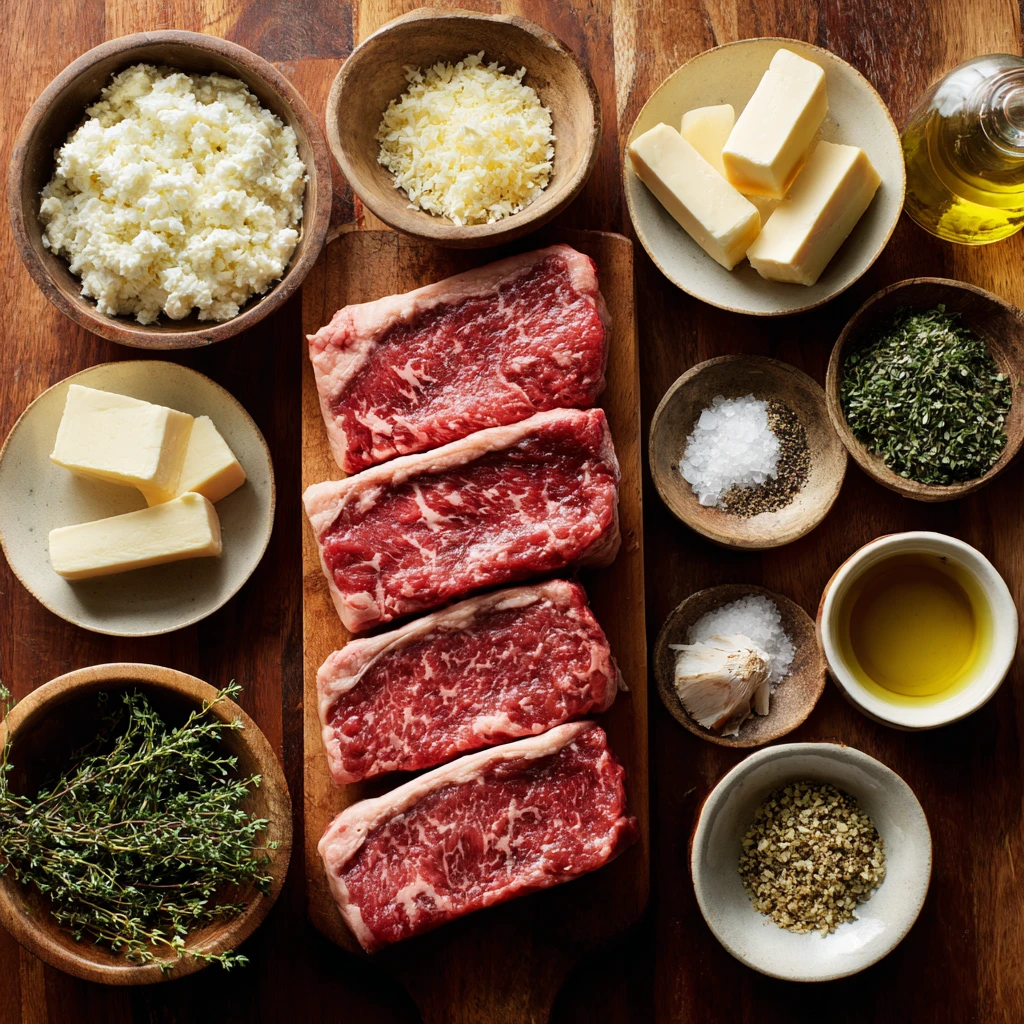
Main ingredients: New York strip steaks, salt/pepper, butter, garlic/herbs (optional), white wine (for deglazing), prepared horseradish, sour cream or crème fraîche, Dijon, white wine vinegar.
Cuisine: American steakhouse with French-inspired pan sauce technique.
Cooking method: Pan sear + butter baste, deglaze with white wine, reduce to glaze, finish with horseradish sauce.
Why You’ll Love This Recipe
- The steak stays juicy because you cook to temp, then let carryover and resting finish the job.
- White wine deglazing turns browned bits into a glossy pan glaze fast.
- Horseradish brings that steakhouse “bite” that cuts through rich beef beautifully.
- It feels fancy, but it’s mostly timing and a hot pan.
Ingredients
Step-by-Step Instructions
Make the horseradish sauce first. Stir sour cream, prepared horseradish, Dijon, white wine vinegar, optional lemon juice, salt, pepper, and chives, then refrigerate at least 30 minutes if you can. Tip: chilling mellows and blends the flavors.
Dry and season the steaks. Pat steaks very dry and season generously with salt and pepper. Tip: dry surface equals better browning and crust.
Sear hard. Heat a heavy skillet (cast iron is ideal) until very hot, add oil, and sear steaks until deeply browned on both sides. Tip: a strong sear builds flavor and sets you up for an easy pan sauce.
Butter-baste to finish. Lower heat, add butter (and garlic/herbs if using) and spoon the foaming butter over the steaks until they reach your target pull temp. Tip: many methods pull medium-rare around 115–120°F because carryover can bring it to about 130–135°F.
Rest the steaks. Rest 5–7 minutes. Tip: resting helps carryover finish and keeps juices from running out when you slice.
Make the white wine glaze. Pour off excess fat, then deglaze the pan with white wine, scraping up browned bits; simmer to reduce until slightly syrupy. Tip: reduction concentrates flavor and creates a glossy glaze.
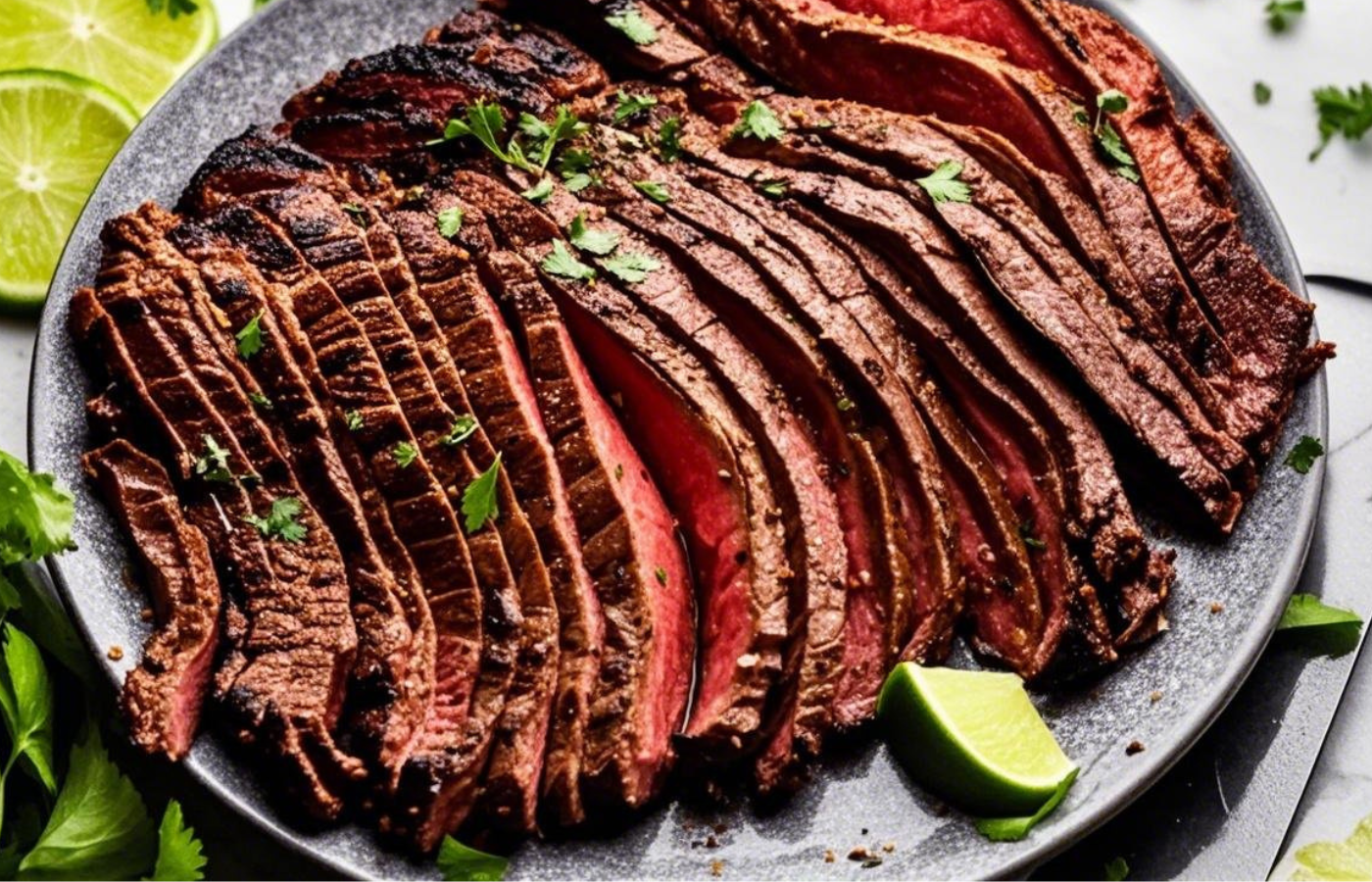
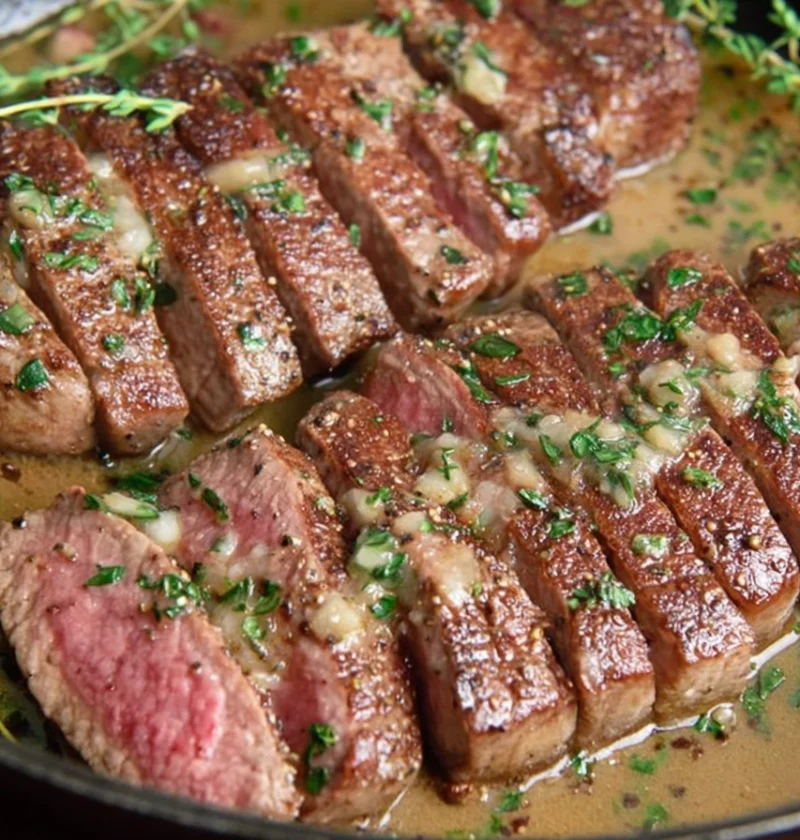
Serve. Slice steak against the grain, spoon on the white wine glaze, and add a dollop of horseradish sauce on the side (or a light smear underneath). Tip: horseradish is strong, start small and let people add more.
Tips for Success
- Use a thermometer and cook to temperature, not time, because steak thickness varies.
- Plan for carryover: pulling at 115–120°F can land you at 130–135°F after resting for medium-rare.
- Rest 5–7 minutes for best juiciness and more stable internal temp.
Variations & Substitutions
- Creamier sauce: add a little mayo to the horseradish sauce for a richer steakhouse-style dip (some horseradish sauces use both).
- No-wine option: deglaze with broth plus a splash of vinegar for acidity if you don’t cook with wine.
- Spicier: increase prepared horseradish and reduce sour cream slightly for more punch.
What to Serve With It
- Roasted potatoes or mashed potatoes, since horseradish sauce loves anything starchy.
- A simple green veg like asparagus or green beans for steakhouse balance.
Storage & Reheating
Store leftover steak and sauce separately, and reheat steak gently to avoid overcooking. Horseradish sauce keeps well chilled and is often better after flavors meld.
Nutrition Facts
Nutrition depends on steak size and butter amount, plus the fat content of sour cream. If you tell me your steak ounces and whether you’re using full-fat or light sour cream, I can estimate calories and macros per serving.
Common Mistakes to Avoid
- Skipping the dry pat-down, which reduces browning and crust.
- Cooking to “looks done” instead of temp, which often leads to overcooked strip steak.
- Not accounting for carryover, which can push medium-rare into medium during resting.
FAQ
What internal temp is medium-rare New York strip?
Medium-rare is commonly 130–135°F final internal temperature.
When should I pull steak off the pan for medium-rare?
Some guides suggest pulling around 115–120°F because carryover cooking can bring it up to 130–135°F.
How long should steak rest?
One test-based guide suggests 5–7 minutes of resting after direct high-heat cooking.
What goes well with horseradish sauce?
Horseradish cream sauce is commonly served with beef and pairs especially well with rich cuts.
Conclusion
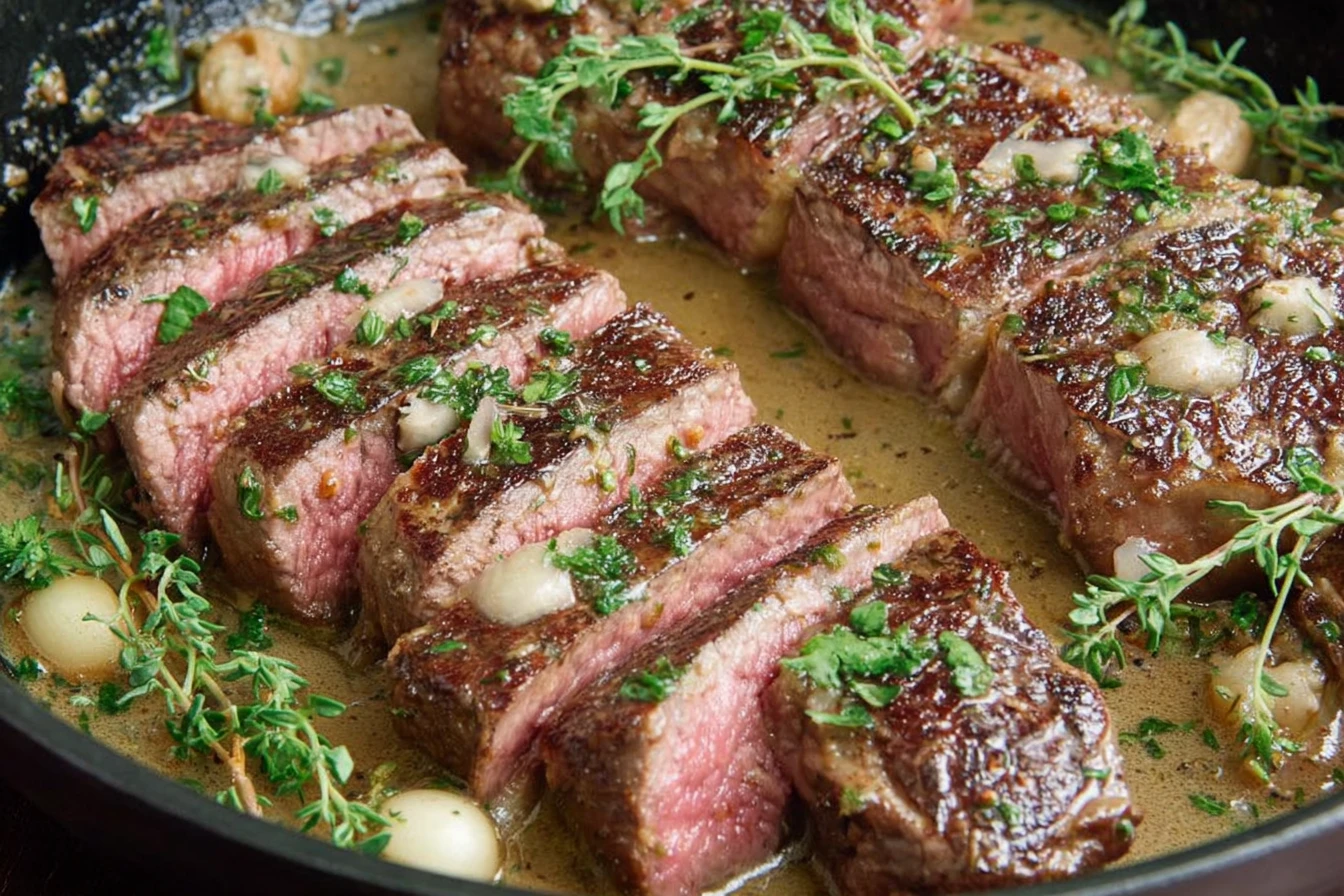
Succulent New York Strip Steaks with Horseradish White Wine Glaze is a steakhouse-at-home dinner: crisp crust, juicy center, a glossy wine reduction, and a cool horseradish bite. If you tell me your steak thickness and whether you’re cooking on cast iron or stainless, I’ll tailor the exact sear and butter-baste timing so you hit your perfect doneness.
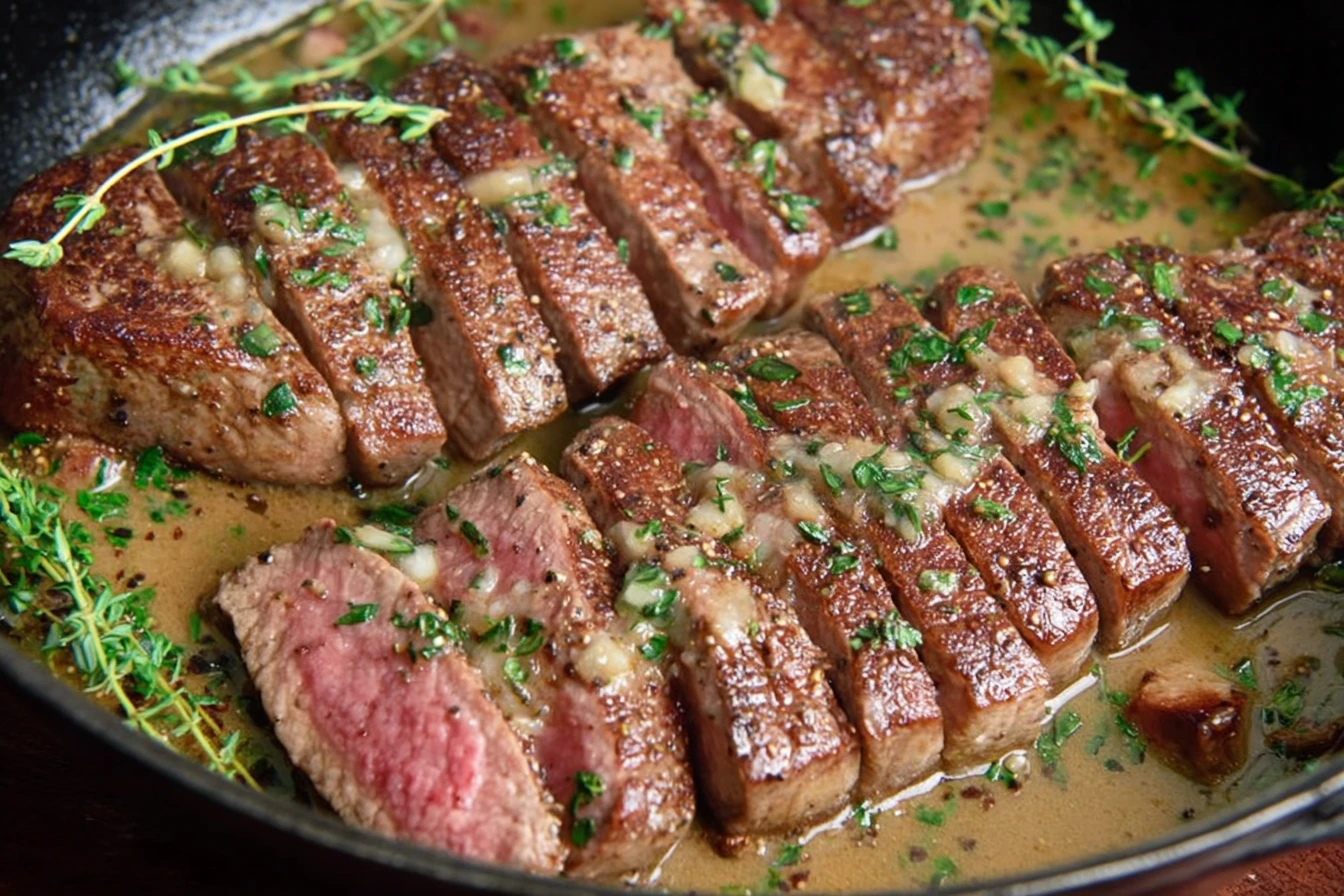
Succulent New York Strip Steaks with Horseradish White Wine Glaze: Seared to Perfection for a Flavorful Indulgence!
Indulge in succulent New York strip steaks, seared to perfection and topped with a delectable horseradish white wine glaze. This culinary masterpiece offers a celebration of bold flavors, tender textures, and the joy of creating something truly special in your kitchen.
Ingredients
- 4 pieces New York strip steaks
- 1/4 cup horseradish
- 1/2 cup white wine
- 2 cloves garlic, minced
- Salt and pepper to taste
Directions
- Season New York strip steaks with salt and pepper on both sides.
- Heat a cast-iron skillet over high heat and sear the steaks for 3-4 minutes per side until a golden crust forms.
- Sauté minced garlic in the skillet, then add white wine and horseradish to create the glaze.
- Return the seared steaks to the skillet, spoon the glaze over them, and cook to desired doneness.
- Allow the steaks to rest for a few minutes before slicing and serving with extra glaze drizzled on top.