Table of Contents
Warak Dawali
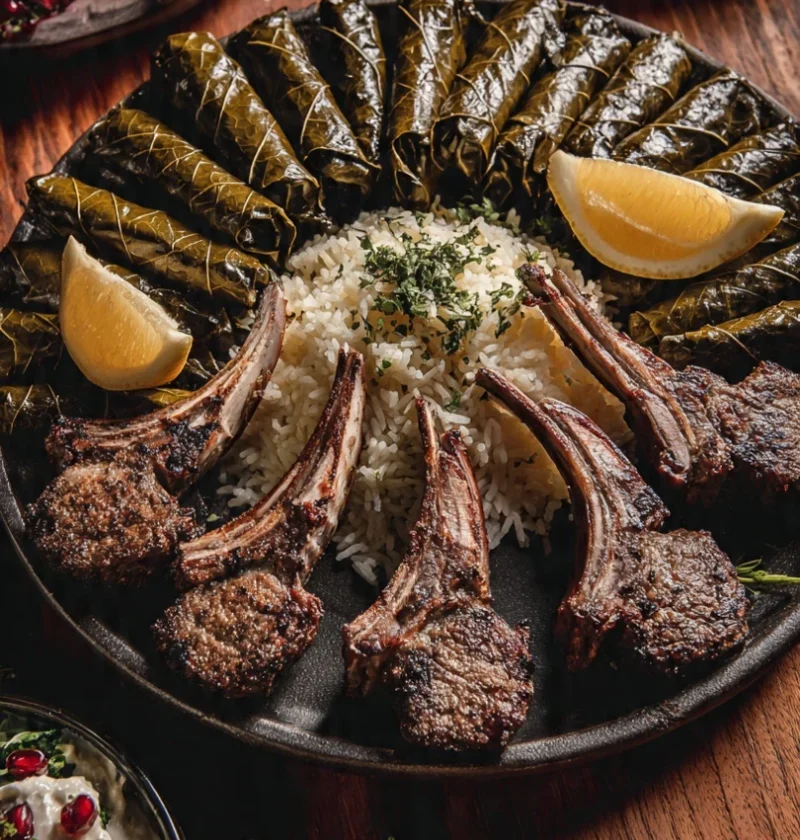
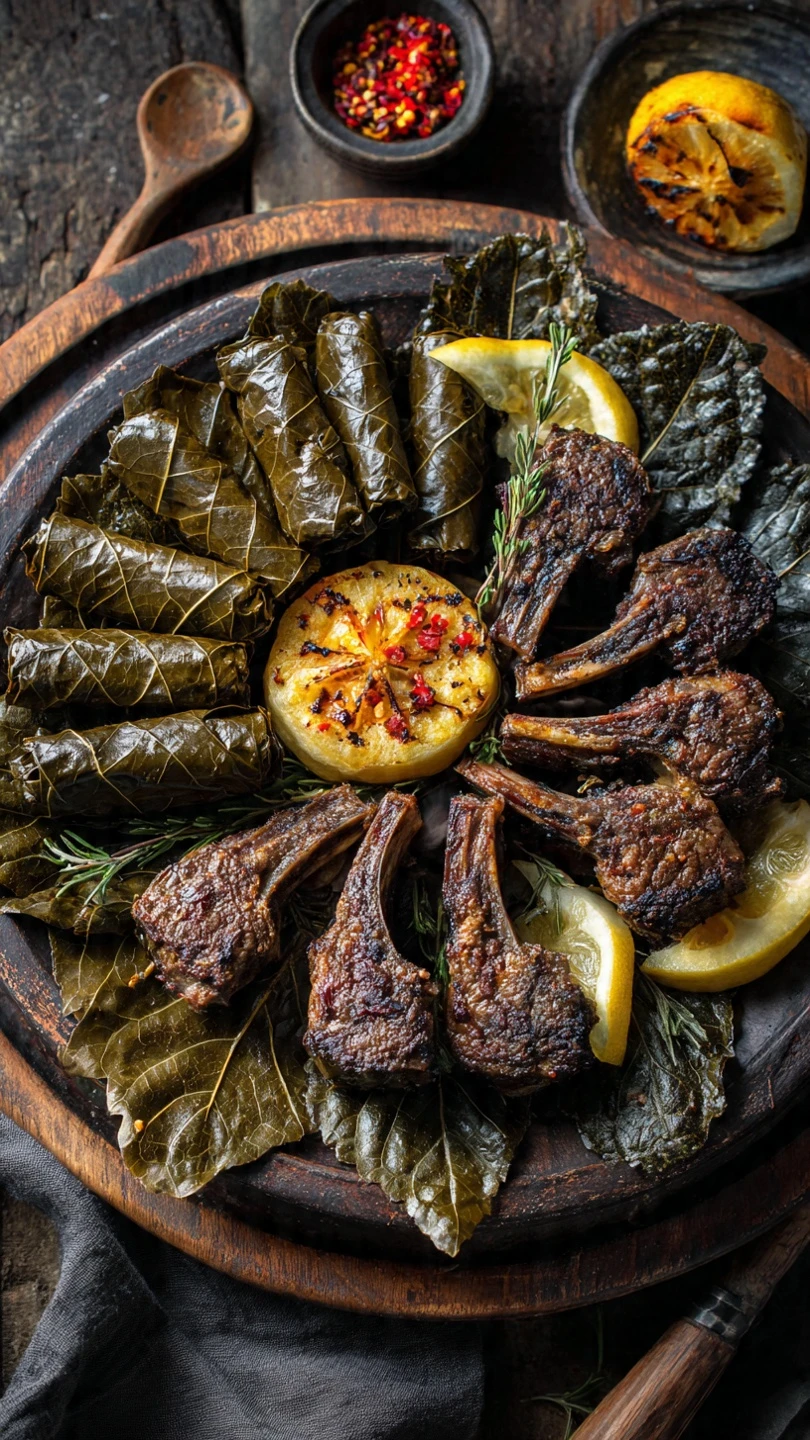
If you have ever been to a Middle Eastern feast, you have likely seen them—neat little parcels of tender grape leaves, arranged in a glistening crown and smelling of lemon and spice. This is Warak Dawali, a dish that is less a recipe and more a treasured ritual in Palestinian and Levantine homes. Each “Dawali” is a delicate grape leaf filled with a savory mixture of spiced meat and rice, then simmered slowly in a tangy lemon broth until impossibly tender.
The beauty of Warak Dawali lies in the community it builds. Families and friends gather for hours to meticulously roll hundreds of these little green cigars, sharing stories and laughter. It’s a labor of love, but the result is a one-pot masterpiece that tastes like home. The tender leaves give way to a perfectly cooked, flavorful filling, while the potatoes and meat at the bottom of the pot caramelize in the rich, lemony sauce.
This isn’t just an appetizer; it’s a full meal, a centerpiece, and a direct link to generations of culinary tradition. Whether you are using fresh leaves from the garden or brined leaves from a jar, this recipe will guide you through the art of making perfect stuffed grape leaves.
Let’s get rolling!
Why You’ll Love This Recipe
- A Taste of Palestine: This recipe is the authentic, meat-filled version (not to be confused with the vegetarian warak enab), offering a true taste of Palestinian home cooking.
- The “One-Pot” Method: The entire meal—meat, vegetables, and the stuffed leaves—cooks together in one pot, creating a rich, multi-layered dish.
- Perfect for a Crowd: The recipe makes a large batch, perfect for family gatherings, holidays, or meal prepping for the week.
- A Fun Group Activity: Rolling the leaves is the perfect excuse to gather friends or family in the kitchen for a fun, hands-on cooking session.
- Freezer-Friendly: You can roll and freeze them uncooked, so you are always just a simmer away from a delicious, home-cooked meal.
Ingredients
Here is what you need to make authentic Warak Dawali. This makes a large family-sized pot.
| Ingredient | Quantity | Notes |
|---|---|---|
| Grape Leaves | 1 jar (16 oz) or fresh | Brined jarred leaves are easiest. If fresh, you’ll need to blanch them first. |
| Short-Grain Rice | 2 cups | Egyptian or Calrose rice works best. It is starchy and holds its shape. |
| Ground Lamb or Beef | 1 lb | 80/20 ground meat provides the best flavor. A mix of both is also delicious. |
| Allspice | 1 tbsp | The key warm spice in the filling. |
| Cinnamon | 1 tsp | Adds a subtle, sweet warmth that complements the lamb. |
| Olive Oil | 1/2 cup | Extra virgin, divided. For the filling and the cooking liquid. |
| Fresh Lemon Juice | 3/4 cup | Freshly squeezed is non-negotiable for the bright, tangy broth. |
| Beef or Lamb Bones | 1-2 lbs (optional) | Soup bones or shank bones lined at the bottom of the pot add incredible richness to the broth. |
| Potatoes | 2-3 medium | Sliced into thick rounds to line the bottom of the pot and prevent burning. |
| Tomatoes | 2 large | Sliced. Adds moisture and flavor to the base layer. |
| Salt & Black Pepper | To taste | Be generous, especially with the salt for the rice. |
Step-by-Step Instructions
1. Prepare the Leaves and Rice
If using jarred leaves, rinse them well under cold water to remove the brine. Soak them in hot water for 15 minutes, then rinse again. If using fresh leaves, blanch them in boiling water for 30-60 seconds until they turn a deep olive green. For the rice, rinse it several times until the water runs clear, then soak it in water for 30 minutes. Drain well.
2. Make the Filling
In a large bowl, combine the drained rice, ground meat, allspice, cinnamon, a generous pinch of salt and pepper, and about 2 tablespoons of olive oil. Use your hands to mix everything together until well incorporated.
- Tasting Tip: It is safe to taste a tiny bit of the raw filling to check for seasoning. It should be boldly salted.
3. Prepare the Pot
In a large, heavy-bottomed pot, arrange the beef/lamb bones (if using). Layer the sliced potatoes and tomatoes on top of the bones. Drizzle with olive oil and season with salt and pepper. This creates a protective layer and infuses the broth with flavor.
4. The Rolling Technique
Lay a grape leaf on a flat surface, shiny-side down and stem-end toward you. Place about 1-2 teaspoons of the filling horizontally near the stem. Fold the bottom of the leaf up and over the filling. Fold in the left side, then the right side, then roll it forward into a tight little cigar. It should be firm but not bursting.
- Don’t overfill! The rice will expand during cooking. A thin roll is the goal.
5. Stack the Dawali
Arrange the rolled grape leaves snugly in the pot, seam-side down, directly on top of the potato-tomato layer. Pack them tightly in concentric circles. Continue making layers until all the filling is used.
6. The Simmer
Place a small, heat-proof plate upside down on top of the stacked rolls. This keeps them from floating and unraveling. Add enough boiling water to just cover the plate. Cover the pot, bring to a boil, then reduce the heat to a low simmer. Cook for about 1 hour.
7. Add the “Sauce” and Finish
After an hour, pour in the lemon juice and remaining olive oil. Cover again and continue to simmer for another 45-60 minutes. The Dawali are done when the leaves are very tender and the rice is fully cooked. To check, carefully pull one out and taste it.
8. Rest and Flip
Let the pot rest, covered, for at least 30 minutes off the heat. This allows the rolls to absorb the remaining broth. To serve, remove the lid, place a large serving platter over the pot, and confidently flip it over. The bones, potatoes, and rolls should all come out in a beautiful, layered crown.
Tips for Success
- Shiny Side Out: Always roll with the dull, veiny side of the leaf facing up so that the smooth, shiny side is on the exterior of your finished roll.
- The Plate Trick: Don’t skip placing a plate on top of the rolls. This weight is crucial to prevent them from unraveling as they bubble away.
- Control Your Sourness: The amount of lemon juice is up to you. Palestinians love their Dawali very tangy. Start with 1/2 cup and add more at the end if you like.
- Don’t Rush the Rest: Resting the pot for 30 minutes before flipping is key. It makes the rolls juicier and helps the whole thing set so it doesn’t collapse during the flip.
- Tight but Not Too Tight: Pack the rolls snugly in the pot, but don’t crush them. They need a little room for the rice to expand.
Variations & Substitutions
- Vegetarian (Warak Enab): For the famous vegetarian version, omit the meat and add finely chopped parsley, tomatoes, onions, and mint to the rice filling. This version is often served cold as an appetizer.
- Add Ribs: Instead of soup bones, use lamb or beef short ribs at the bottom of the pot. They become incredibly tender and are a delicious bonus to the meal.
- Pomegranate Molasses: For a different kind of tang, add a few tablespoons of pomegranate molasses to the cooking liquid along with the lemon juice.
- With Kousa (Zucchini): A very common variation is to stuff and cook zucchini alongside the grape leaves in the same pot.
What to Serve With It
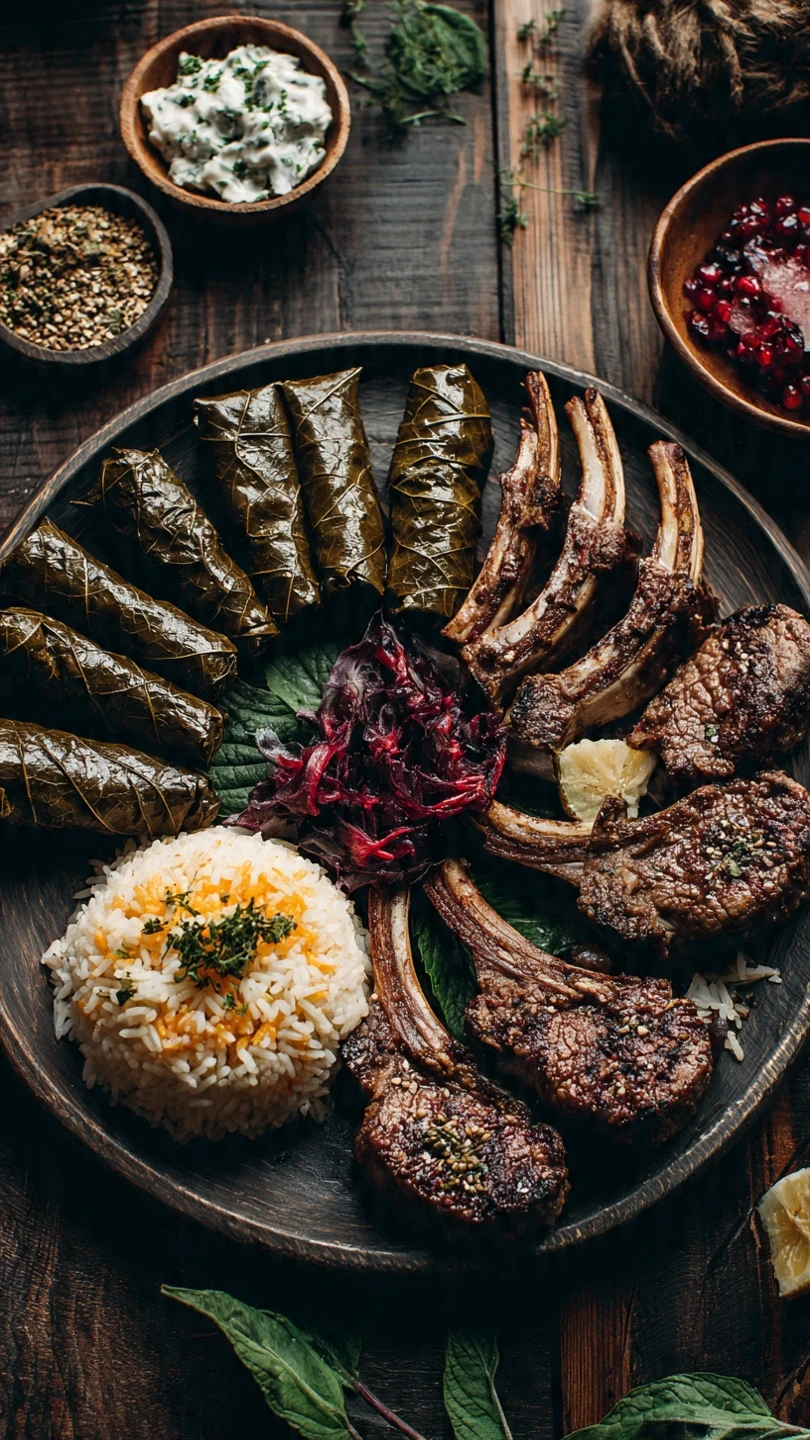
Warak Dawali is a complete meal in itself, but it’s often served with a few simple accompaniments.
- Plain Yogurt: A bowl of cool, creamy yogurt is the perfect counterpoint to the rich, tangy grape leaves.
- Fresh Cucumber & Tomato Salad: A simple chopped salad dressed with lemon and olive oil adds a fresh, crunchy element.
- The Leftover Broth: Don’t throw away any liquid left in the pot! Serve it in small bowls as a delicious, sour soup to sip alongside the meal.
Storage & Reheating
- Fridge: Store leftovers in an airtight container for up to 4 days. They are delicious cold or reheated.
- Freezer: You can freeze the uncooked, rolled grape leaves. Arrange them in a single layer on a baking sheet, freeze solid, then transfer to a freezer bag. They can be cooked directly from frozen (add about 30 minutes to the cooking time).
- Reheating: To reheat, place the grape leaves in a small pot with a splash of water and a squeeze of lemon. Cover and warm gently over low heat until hot.
Nutrition Facts
Nutrition is highly variable based on meat and fat content. This is a rough estimate per serving (approx. 6-8 rolls).
| Nutrient | Amount |
|---|---|
| Calories | ~350 kcal |
| Protein | 12g |
| Carbohydrates | 30g |
| Fat | 18g |
| Fiber | 4g |
| Sodium | 600mg |
Common Mistakes to Avoid
- Overfilling the Leaves: This is the most common mistake. The rice needs room to triple in size. Use less filling than you think you need.
- Not Rinsing Jarred Leaves: If you don’t rinse them thoroughly, your final dish will be overwhelmingly salty from the brine.
- Loose Rolling: If your rolls aren’t tight enough, they will fall apart in the pot, leaving you with a pot of rice soup.
- Forgetting to Weigh Them Down: Without the plate on top, the bubbling water will toss your perfect rolls around and unravel them.
FAQ
Are Dawali and Dolma the same thing?
The terms are often used interchangeably, but “Dolma” is a broader Turkish term for any stuffed vegetable (peppers, zucchini, etc.). “Warak” means leaf in Arabic, so “Warak Dawali” specifically refers to stuffed grape leaves, particularly the meat-filled Palestinian version.
Can I use long-grain rice?
You can, but it is not recommended. Long-grain rice doesn’t have the starch content of short-grain rice, so the filling can be loose and less cohesive.
Why do you put bones at the bottom?
The bones serve two purposes: they prevent the delicate grape leaves from scorching on the bottom of the pot, and the marrow and collagen render out, creating an incredibly rich, flavorful broth.
Is it difficult to flip the pot?
It takes confidence! Make sure your serving platter is much larger than the pot opening. Hold it tight and flip quickly and decisively. It’s always best to do it over the sink just in case of drips.
Conclusion
Warak Dawali is more than just food; it’s an edible expression of love, patience, and tradition. It’s a dish that takes time but rewards you with deep, comforting flavors that transport you straight to a Palestinian kitchen.
I hope you gather your loved ones and give this beautiful ritual a try. The memories you make while rolling are just as delicious as the final dish! If you make them, I’d love to see your flip! Share your pictures and stories below.
If you enjoyed this taste of the Levant, try my Roasted Salmon With Miso Cream next!