
Table of Contents
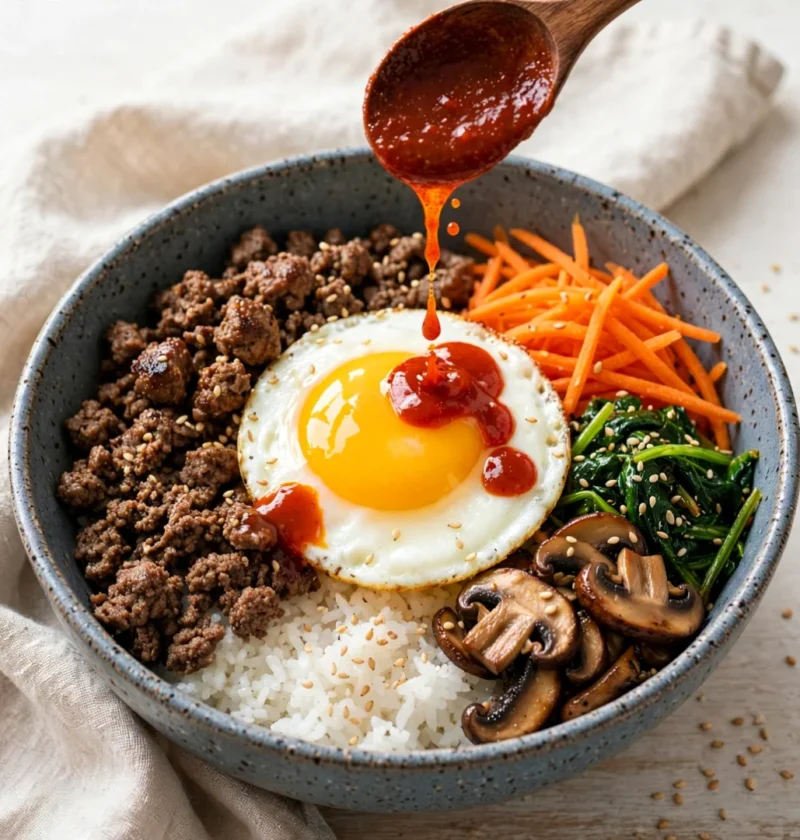
When it comes to comfort food, few dishes can compete with the vibrant and flavorful Korean Style Bibimbap Bowl. This iconic dish from Korea beautifully combines a variety of textures and tastes, creating an unforgettable culinary experience. Bibimbap, which translates to ‘mixed rice’, offers a colorful array of stir-fried vegetables, tender meats, or tofu, all brought together by a savory gochujang sauce. Its roots trace back to traditional Korean cuisine, making it not only a meal but a reflection of Korea’s rich culinary heritage.
Historically, bibimbap was prepared as a meal for the king, and its colorful presentation symbolizes prosperity and good fortune. This symbolic aspect adds to its charm, as each colorful ingredient represents harmony and balance, both in the dish and in life. Whether you’re enjoying it at a restaurant or making it at home, bibimbap is a dish that speaks to the heart and palate alike, inviting you to engage with its dynamic flavors and vibrant colors.
Ingredients
To prepare a delicious Korean Style Bibimbap Bowl, you’ll need the following ingredients, organized by category: You can learn more about this topic. It’s important to note that the quality of ingredients can greatly affect the overall flavor of the dish, so using fresh and high-quality produce is recommended. Fresh vegetables not only taste better but also contribute to the overall nutritional profile of this wholesome dish.
For the Rice Base:
- 2 cups of cooked short-grain white rice (or brown rice for a healthier option)
For the Stir-Fried Vegetables:
- 1 cup of spinach, blanched and squeezed dry
- 1 cup of bean sprouts, blanched
- 1 medium carrot, julienned
- 1 zucchini, julienned
- 1 cup of shiitake mushrooms, sliced
- 2 tablespoons of sesame oil (for stir-frying)
- Salt, to taste
These vegetables provide a beautiful color palette and a wealth of nutrients. Blanching the spinach and bean sprouts helps preserve their bright colors and crisp textures, making them more visually appealing and delicious. Feel free to experiment with other vegetables that you enjoy, such as bell peppers or radishes, to add even more variety to your Korean Style Bibimbap Bowl. Using a mix of colors not only enhances presentation but also maximizes the nutritional benefits.
For the Protein:
- 1 cup of cooked beef (bulgogi is ideal) or tofu for a vegetarian option
- 1 tablespoon of soy sauce (for tofu)
The protein choice can drastically change the flavor profile of your dish. For beef lovers, bulgogi is marinated in a sweet and savory sauce, enhancing the overall taste. If opting for tofu, make sure to press it well to remove excess moisture before cooking for the best texture. Properly marinating tofu can significantly elevate its flavor, allowing it to soak up the delicious notes of the marinade.
For the Gochujang Sauce:
- 2 tablespoons of gochujang (Korean chili paste)
- 1 tablespoon of sesame oil
- 1 tablespoon of sugar
- 1 tablespoon of water (to thin the sauce)
This sauce is a key component of bibimbap, providing a spicy kick balanced with sweetness. Gochujang can vary in heat, so taste as you go and adjust the amount according to your preference. For a milder version, you can substitute some of the gochujang with miso paste or even use a less spicy chili paste. Consider adding a splash of rice vinegar for additional tang, which can beautifully balance the flavors.
For Toppings:
- 2 eggs (for fried eggs on top)
- 1 tablespoon of sesame seeds
- 3 green onions, chopped
The toppings add the final touch to your bibimbap, contributing both texture and flavor. The fried eggs, with their silky yolk, not only make the dish visually appealing but also add a layer of richness. For an extra crunch and nuttiness, consider toasting the sesame seeds lightly before sprinkling them on top. This small step can elevate the dish’s flavor profile significantly.
Note: Feel free to adjust the vegetable quantities based on your preferences or what’s in season. You can also substitute with other vegetables like bell peppers, radishes, or napa cabbage for variety. Check out our related guide for more tips on enhancing your bibimbap experience. Personalizing your bibimbap ensures that each bowl reflects your taste and creativity.
Steps / Instructions
Prepare the Rice: Cook the rice according to package instructions. Short-grain rice provides the perfect texture for bibimbap, but brown rice can be used for a healthier alternative. Once done, fluff the rice and set it aside to cool slightly, allowing it to become less sticky and easier to layer in the bowl. You can also prepare the rice a few hours in advance and refrigerate it, making the assembly process even quicker at mealtime.
Stir-Fry the Vegetables: In a large skillet, heat 2 tablespoons of sesame oil over medium heat. Add the carrots and sauté until they are slightly tender but still crisp, about 3 minutes. Remove them from the pan and set aside. This step ensures that the carrots retain some crunch, enhancing the overall texture of your dish.
Next, add the zucchini to the skillet and sauté for another 2-3 minutes until softened. Remove and set aside. The zucchini should be tender yet still vibrant green, contributing to the dish’s colorful presentation. Consider stirring in some minced garlic during this step for added flavor.
In the same skillet, stir-fry the shiitake mushrooms for approximately 4-5 minutes until they are golden brown. Season with salt to taste. The mushrooms should become caramelized, which will add depth and umami flavor to your bibimbap. Stirring occasionally ensures even cooking and browning.
Finally, add the blanched spinach and bean sprouts, cooking for an additional 2 minutes until heated through. Adjust seasoning if needed and remove from heat. The spinach should retain its bright green color while the bean sprouts add a delightful crunch. This final stir ensures all the vegetables are warmed and ready to be served.
Cook the Protein: If using beef, ensure it is cooked to your liking, preferably medium-rare for the best texture. For tofu, cube the tofu and marinate it in soy sauce for 10 minutes. This step infuses the tofu with flavor. Sauté the tofu in a separate pan until golden brown, about 5-7 minutes, then set aside. You can also sprinkle some garlic powder or ginger for added flavor during the sautéing process.
Prepare the Gochujang Sauce: In a small bowl, mix 2 tablespoons of gochujang, 1 tablespoon of sesame oil, 1 tablespoon of sugar, and 1 tablespoon of water. Stir until smooth. Adjust the thickness of the sauce by adding more water if necessary, as a thicker sauce may be harder to drizzle over your bibimbap. A good tip is to taste as you mix to ensure the flavors are balanced to your liking.
Fry the Eggs: In a non-stick skillet, fry the eggs sunny-side up. The runny yolk adds a luscious creaminess to the bibimbap. Make sure to cook the eggs on low heat to avoid overcooking the yolk. You can also season the eggs lightly with salt and pepper to enhance their flavor.
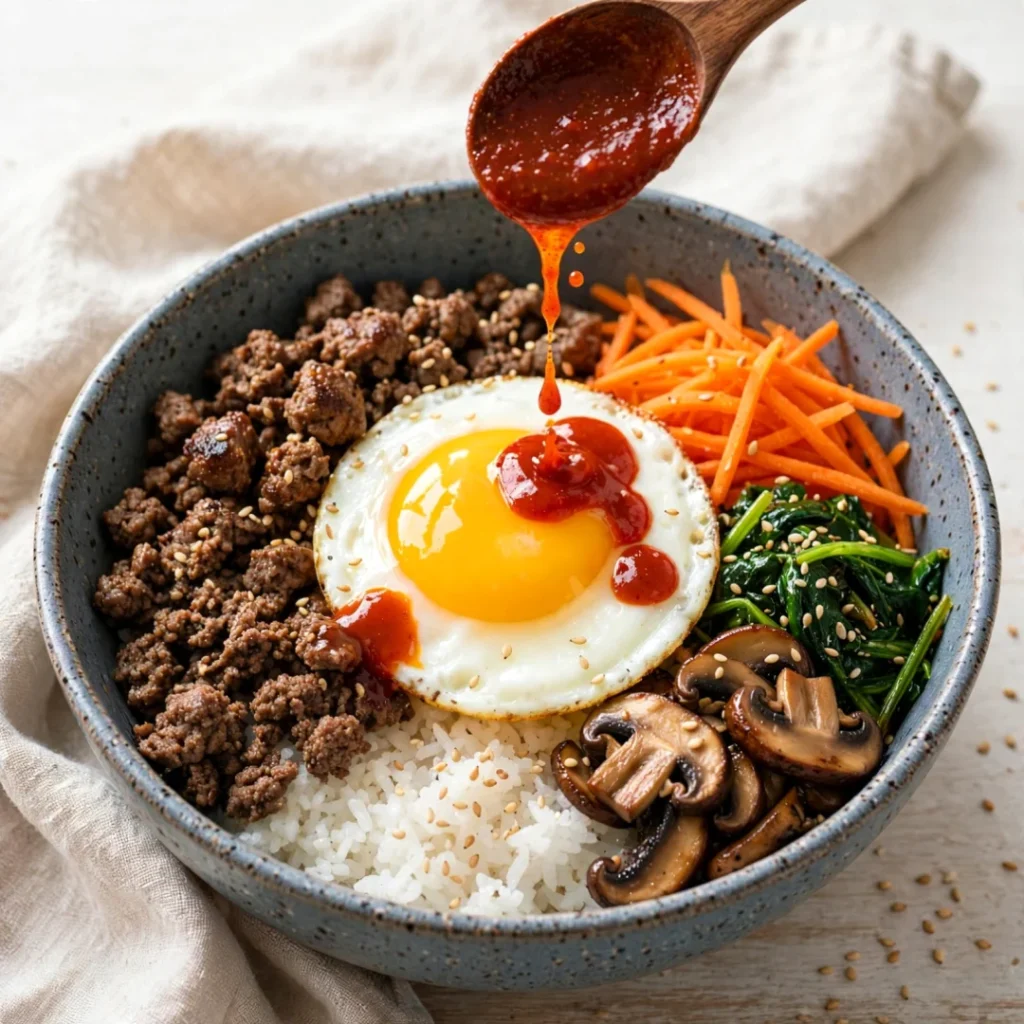
Assemble the Bibimbap Bowl: In a large serving bowl, layer the cooked rice as the base. Arrange the stir-fried vegetables and protein in sections on top of the rice, creating a visually appealing presentation. Place the fried egg in the center to crown your creation. The artistic arrangement not only looks appealing but also allows each person to enjoy the variety of flavors in every bite.
Finish with Toppings: Drizzle the gochujang sauce over the top and sprinkle with sesame seeds and chopped green onions. Serve immediately, encouraging everyone to mix their bibimbap before enjoying! Mixing is essential as it blends all the flavors together, enhancing the overall taste experience of your Korean Style Bibimbap Bowl. Remind your guests to take the time to mix well to fully appreciate the harmonious flavors.
FAQ
What is gochujang and where can I find it?
Gochujang is a fermented Korean chili paste that’s sweet, savory, and spicy; you can find it at most Asian grocery stores or in the international aisle of larger supermarkets, and it’s also widely available online.
Can I make bibimbap vegan?
Yes – simply use tofu instead of beef, skip the fried egg or replace it with a pan-seared vegan alternative, and make sure your gochujang sauce doesn’t contain fish-based ingredients (check the label, as some brands do).
How do I keep the vegetables from getting soggy?
Sautéing each vegetable separately, as this recipe instructs, is key – it lets you control cooking time for each one so the carrots and zucchini stay crisp-tender rather than turning mushy.
Can I meal prep bibimbap for the week?
Absolutely – store the rice, vegetables, protein, and sauce in separate containers in the fridge for up to 4 days, then assemble and fry a fresh egg right before eating for the best texture.
What can I substitute for short-grain rice?
Brown rice, quinoa, or even cauliflower rice work well if you want a healthier or lower-carb base, though short-grain white rice gives the most traditional sticky texture that bibimbap is known for.
Is bibimbap supposed to be spicy?
The spice level is fully adjustable since it comes mainly from the gochujang sauce – start with less and add more to taste, or mix in miso paste for a milder version.
Conclusion
Now that you’ve got everything you need to bring this iconic Korean dish to your own kitchen, it’s time to grab your ingredients and get cooking. If you make this Korean Style Bibimbap Bowl, snap a photo and tag me – I’d love to see your colorful creation! Don’t forget to pin this recipe to Pinterest to save it for your next meal prep session, and subscribe to the newsletter for more globally-inspired recipes delivered straight to your inbox.
Korean Style Bibimbap Bowl
A vibrant and flavorful dish from Korea that beautifully combines a variety of textures and tastes, creating an unforgettable culinary experience.
Ingredients
- 2 cups of cooked short-grain white rice
- 1 cup of spinach, blanched and squeezed dry
- 1 cup of bean sprouts, blanched
- 1 medium carrot, julienned
- 1 zucchini, julienned
- 1 cup of shiitake mushrooms, sliced
- 2 tablespoons of sesame oil (for stir-frying)
- Salt, to taste
- 1 cup of cooked beef (bulgogi is ideal) or tofu for a vegetarian option
- 1 tablespoon of soy sauce (for tofu)
- 2 tablespoons of gochujang (Korean chili paste)
- 1 tablespoon of sesame oil
- 1 tablespoon of sugar
- 1 tablespoon of water (to thin the sauce)
- 2 eggs (for fried eggs on top)
- 1 tablespoon of sesame seeds
- 3 green onions, chopped
Directions
Prepare the Rice: Cook the rice according to package instructions. Fluff the rice and set it aside to cool slightly.
Stir-Fry the Vegetables: In a large skillet, heat sesame oil over medium heat. Add the carrots and sauté until slightly tender, about 3 minutes. Remove and set aside. Repeat with zucchini and shiitake mushrooms, cooking until golden brown.
Finally, add the blanched spinach and bean sprouts, cooking for an additional 2 minutes until heated through. Adjust seasoning if needed and remove from heat.
Cook the Protein: For beef, cook to your liking. For tofu, cube and marinate in soy sauce for 10 minutes, then sauté until golden brown.
Prepare the Gochujang Sauce: In a small bowl, mix gochujang, sesame oil, sugar, and water until smooth.
Fry the Eggs: In a non-stick skillet, fry the eggs sunny-side up.
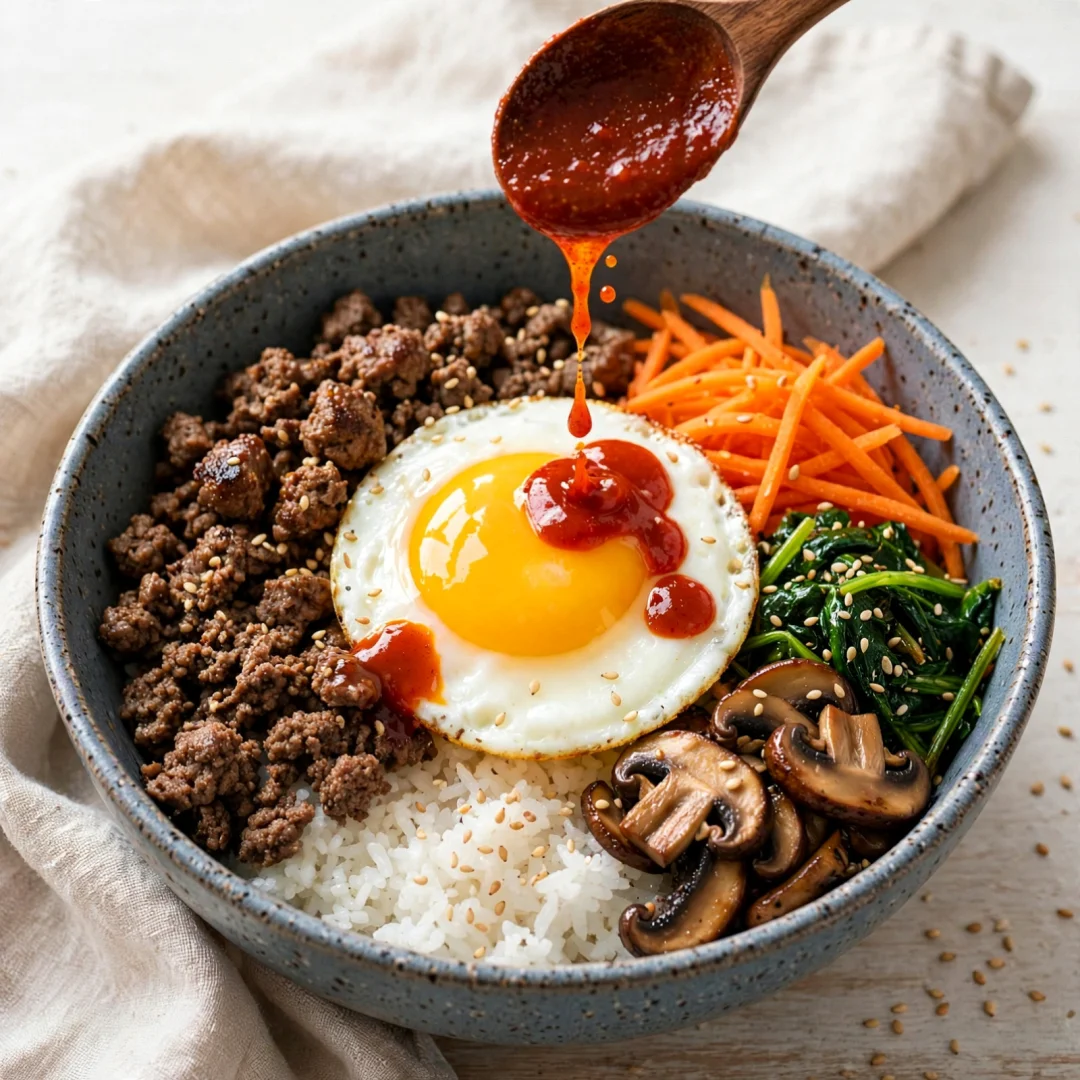
Assemble the Bibimbap: In a bowl, layer rice, stir-fried vegetables, protein, and top with fried eggs, sesame seeds, and green onions.
Nutrition Facts
Recipe Reviews
- ★★★★★
Excellent recipe!
Leave a Reply
Your email address will not be published. Required fields are marked *


Excellent recipe!